Western Blind Snake Diet
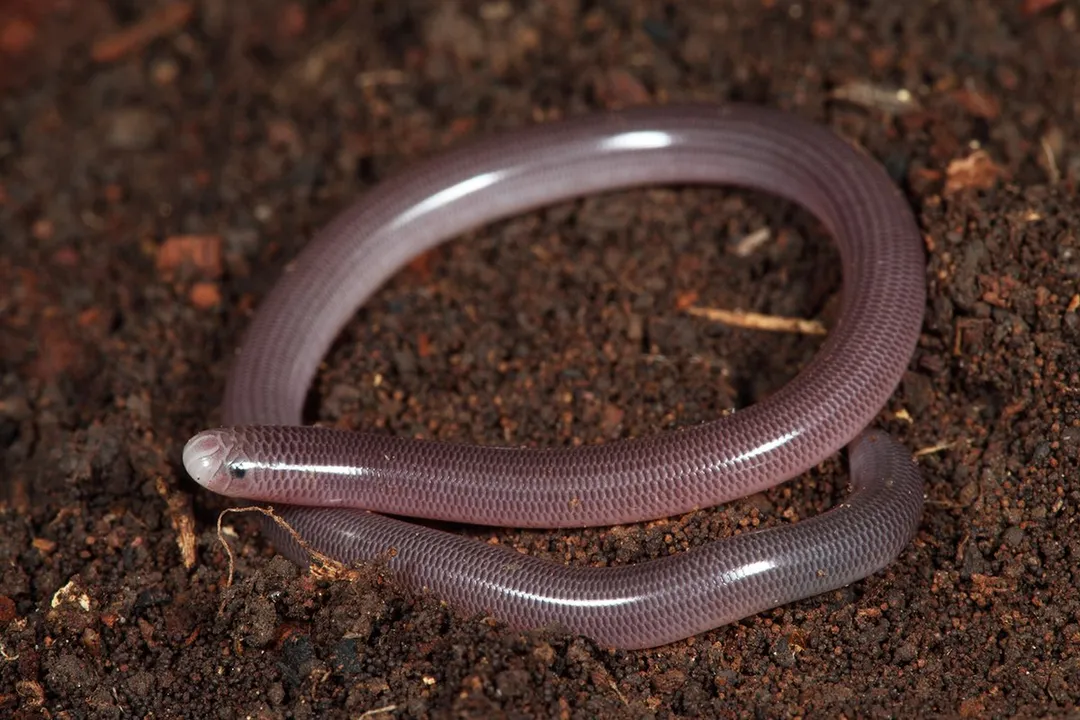
The Western Blind Snake, scientifically known as Rena humilis, maintains a dietary focus so narrow that it defines much of its secretive, subterranean existence. Unlike many other snakes that possess a varied menu, this small reptile has dedicated its feeding strategy almost entirely to the abundant, yet difficult-to-access, societies of ants and termites. [1][3][7] This specialization is not merely a preference; it is the bedrock of the species' survival strategy, linking its appearance, behavior, and preferred habitat choices directly to the availability of its primary food sources. [4][8]
# Insect Specialist
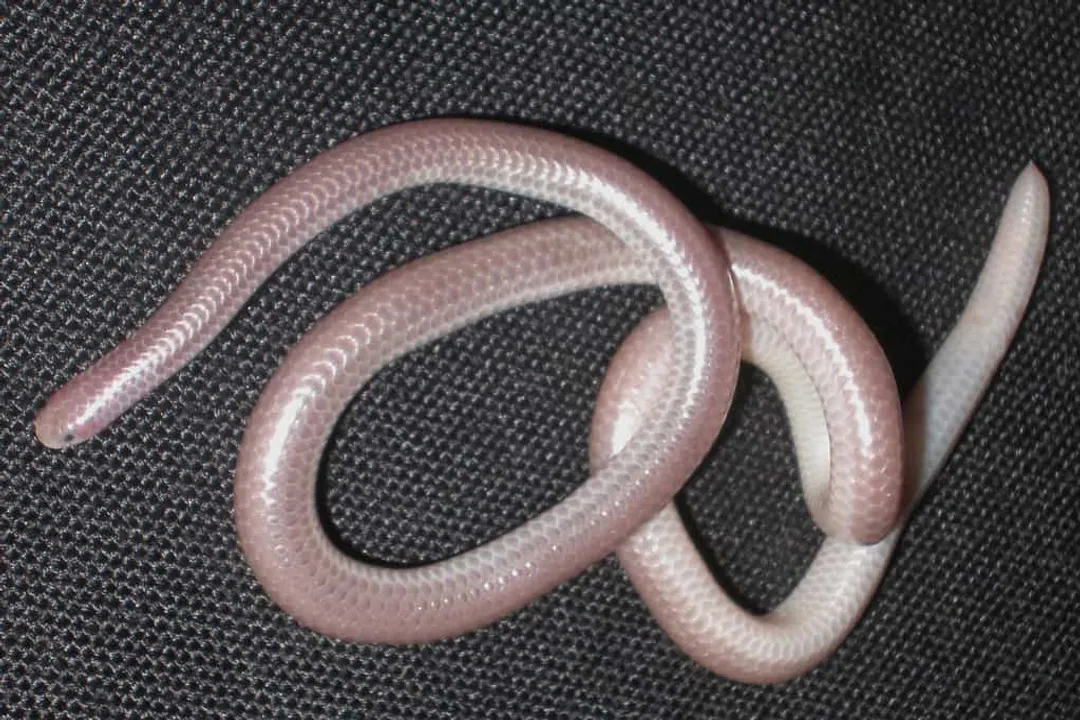
The terminology used by herpetologists to describe the feeding habits of these snakes highlights their dedication to social insects. They are described as being myrmecophagous (ant-eaters) and termitophagous (termite-eaters). [3] This is a common trait among blind snakes globally, but for the Western species, the reliance on these specific groups is nearly absolute. [9] It’s worth noting that while many snakes are generalist feeders, the Western Blind Snake represents the opposite extreme—a highly adapted predator of organized underground colonies. [1][8]
# Prey Composition
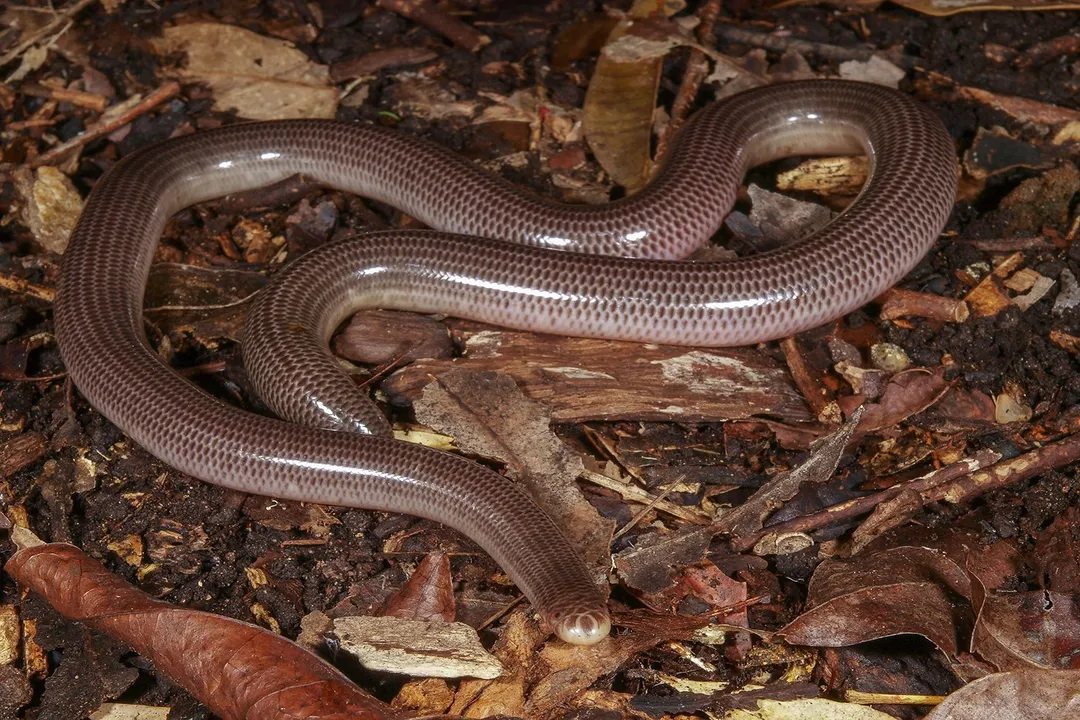
When examining the typical meal of Rena humilis, the components are surprisingly uniform across different reports. The diet is composed primarily of ants and termites. [1][4][7][8] However, the snake rarely seems interested in only the mature adults of these colonies. The true nutritional payoff comes from targeting the softer, more vulnerable stages of the insect life cycle. [3][9] This includes consuming the eggs and larvae produced by the ant and termite queens. [3][4][7][8][9]
This preference for the immature stages presents an interesting ecological trade-off. Adult ants, especially species common in their range, possess formidable defenses such as powerful mandibles or chemical irritants like formic acid. [1] By focusing on the larvae and eggs, the Western Blind Snake minimizes exposure to these active defenses, essentially choosing the safest and most calorically dense part of the colony to consume. [3] An adult ant might fight back, but an immobile, soft-bodied larva offers an easy meal for a snake that relies on stealth rather than confrontation.
# Subsurface Foraging
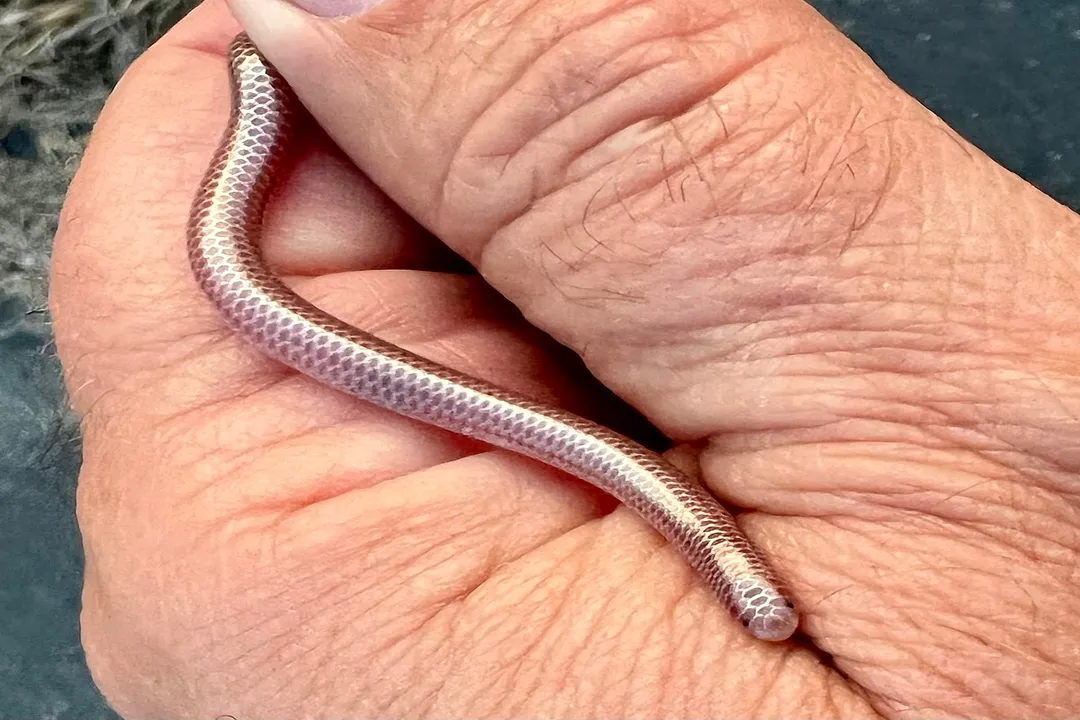
Given that the Western Blind Snake is fossorial—meaning it spends most of its life underground or buried in substrate—its feeding must occur within that environment. [7] It is not an ambush predator waiting above ground near an anthill entrance. Instead, it likely tunnels or follows the established subterranean networks of its prey. [4] This requires a degree of specialized sensory input, likely relying heavily on chemoreception (smell and taste) to locate the hidden galleries where the brood chambers reside. [7]
The foraging style directly dictates the snake’s physical attributes. Because its world is one of loose soil, leaf litter, and rotting wood, its body is perfectly adapted for this slow, deliberate search. [9] The small, smooth scales and tapered head are ideal for minimizing resistance as it pushes through soil searching for termite galleries or ant brood pits. [7]
While the exact mechanics of how a blind snake consumes an entire colony's worth of soft food are fascinating, the sources emphasize the what rather than the how of the strike. Unlike a viper, there is no need for venom delivery to subdue a struggling beetle larva; the snake’s small size and non-venomous nature are perfectly suited to exploiting these defenseless resources. [1][8]
# Ecological Role
The consistent predation on ants and termites places the Western Blind Snake in a specific niche within its local ecosystem. Ants and termites are critically important decomposers and soil aerators across arid and semi-arid environments in North America. [4][9] By consuming these insects, particularly the larvae that contribute to colony growth, the snake acts as a natural population regulator for these dominant invertebrate groups. [1]
Think of the soil structure in a patch of desert scrubland. If the snake population were removed, the density of certain ant or termite species might increase significantly, potentially altering soil composition or the availability of seeds for other ground-dwelling wildlife. The blind snake, despite its near-invisibility, exerts a downward pressure on these primary soil engineers. [3][4]
If you are surveying the health of a local environment where these snakes occur, finding one is often a good indicator of a thriving, balanced invertebrate community that supports a full food web, from the insects up to the snake, and subsequently to secondary predators like owls or coyotes that might consume the snake. [7][8]
# Dietary Implications
The specialized diet has profound implications for the snake’s physical form and daily life. One very observable consequence is the snake's diminutive size and its overall resemblance to a large earthworm or ant larva itself. [1][7] This similarity is likely a form of Batesian mimicry, where a harmless species evolves to resemble a distasteful or dangerous one, offering protection from visually hunting predators. [1] A bird looking for a wriggling invertebrate might mistake the snake for a fat grub or simply pass it over as another non-edible ant larva.
Furthermore, the fact that the snake’s diet consists of prey items that are often available year-round, albeit in different densities, suggests a consistent energy intake. [4][9] Unlike snakes that rely on occasional large vertebrate meals, the blind snake has a steady supply of small, protein-rich items underground. This consistency likely means they do not need to gorge themselves or enter long periods of specialized hibernation, though they do seek shelter from extreme temperatures. [7] If you are examining a piece of rotting wood or a clump of soil that has been overturned, and you find a concentration of ant pupae, that location is a prime candidate for finding a Western Blind Snake nearby, as the food source is not fleeting but embedded in the substrate itself. [4][9]
# Locating Prey Availability
Understanding the diet helps observers know where to look, even if they rarely see the snake itself. Since the primary food sources are ants and termites, the snake will invariably be found in areas where these insects are established. [1][3] This means searching under debris, rocks, or logs that sit directly on or near established ant trails or termite mounds, particularly where the soil retains some moisture. [4]
For someone interested in observing this species in its native habitat—perhaps in Arizona or Utah, where they are documented—the key is to look for disturbed soil near established ant activity during warm, damp periods. [7][6] Unlike a rattlesnake that requires basking spots or open ground to hunt, the blind snake is actively hunting where the humidity is higher and the prey is concentrated, usually just a few inches beneath the surface. [9] The abundance of larval food dictates the distribution of the predator, making the presence of a robust ant or termite population a prerequisite for a healthy local blind snake population. [1][8] This tight coupling between consumer and resource means that environmental changes impacting the soil invertebrates will immediately reflect upon the snake population’s viability.
Related Questions
#Citations
Western Blind Snake - Facts, Diet, Habitat & Pictures on Animalia.bio
Western thread snake discovery and importance in Arizona ecosystem
What do blind snakes eat? - Quora
Blind Snake - The Australian Museum
Blind Snakes - Wild About Utah
I just caught a western blind snake. Anyone know any tips to keep ...
Rena humilis - Wikipedia
Western Blind Snake - Rena humilis - A-Z Animals
Wildlife Around Las Vegas, Western Blind Snake (Rena humilis)