Which ingredients, besides purified beeswax, are often incorporated into successful artificial waxworm rearing media?
Answer
Cornmeal, honey, and brewer’s yeast
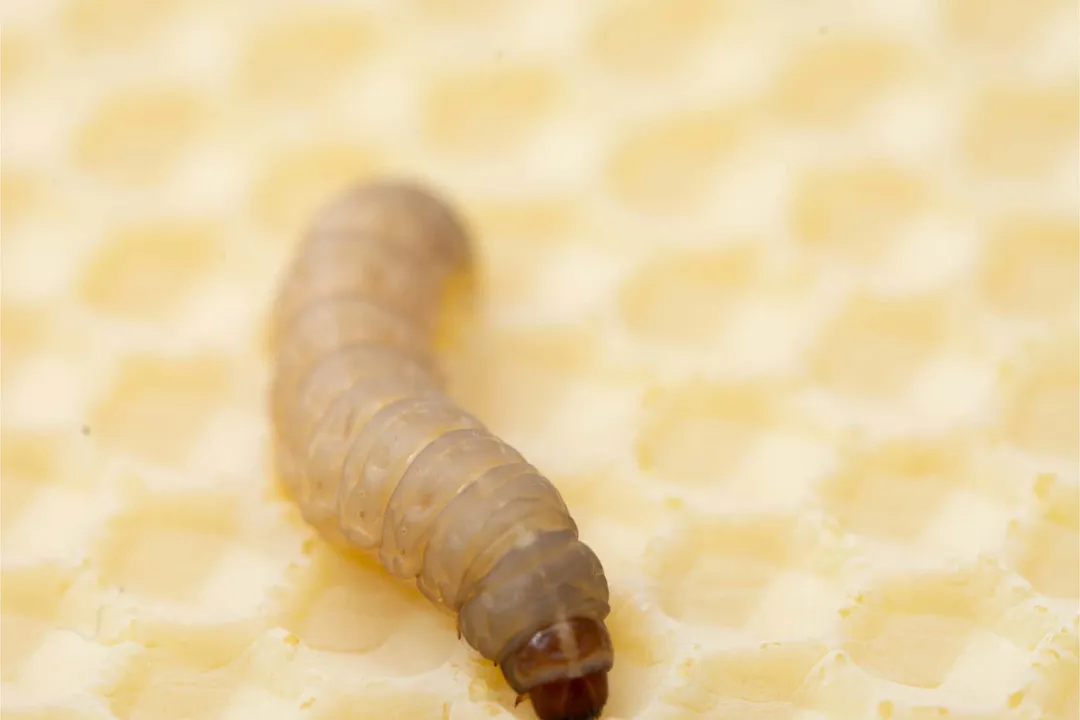
For commercial breeders focused on producing healthy feeder insects, successful mass culturing of waxworms requires mimicking the rich natural diet found in a beehive, even if the physical comb structure is absent. The artificial medium must be meticulously balanced. While purified beeswax provides the necessary base, high-quality artificial diets often incorporate derivatives of honey and pollen to supply carbohydrates and proteins. Specifically, successful formulations frequently include ingredients like cornmeal and brewer’s yeast to supplement the honey base, ensuring the larvae receive adequate protein and carbohydrate profiles alongside the essential wax component for optimal growth.
Related Questions
What three core components constitute the primary diet of wax moth larvae in a honeybee colony?What allows *Galleria mellonella* larvae to consume beeswax?What critical element is consistently cited for adult wax moth survival and egg laying?Besides consumption, what physical byproduct do developing wax moth larvae create in the comb structure?Which ingredients, besides purified beeswax, are often incorporated into successful artificial waxworm rearing media?What aspect of the waxworm’s diet determines its final nutritional value for reptiles or spiders?In which hive environment are stored supers particularly vulnerable to wax moth larvae infestation?How does the primary biological goal of the adult moth differ from the larval stage?What is the destructive consequence when wax moth larvae tunnel through and consume stored comb structure?Which chemical components of beeswax are waxworm larvae uniquely capable of processing?