Wax Moth Locations
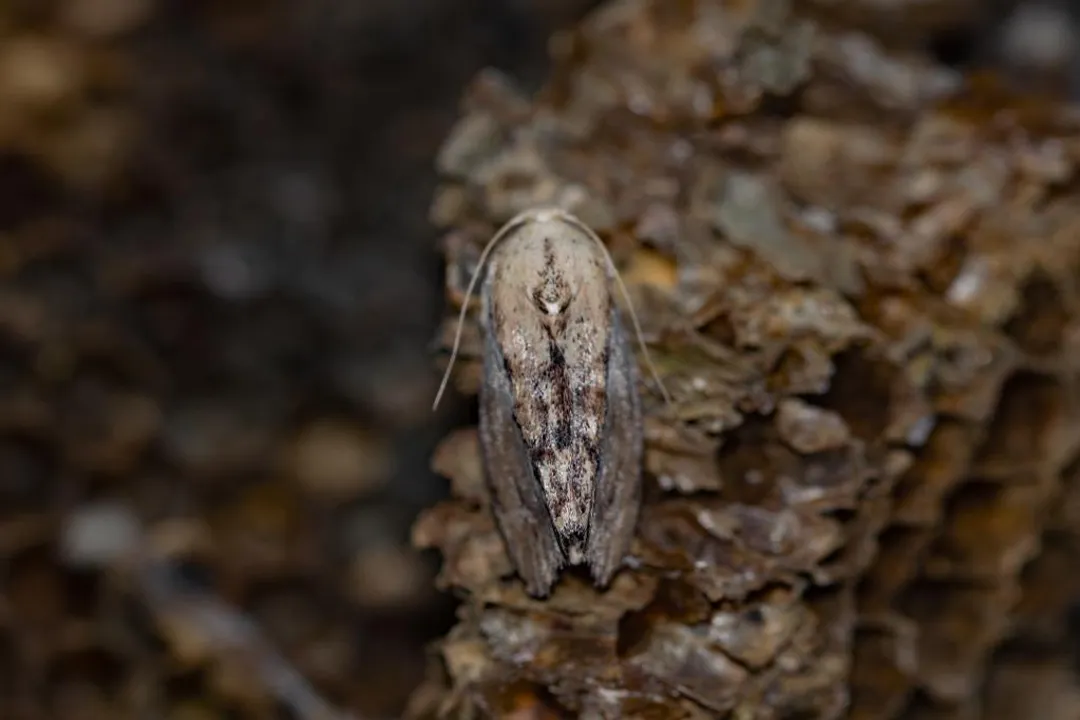
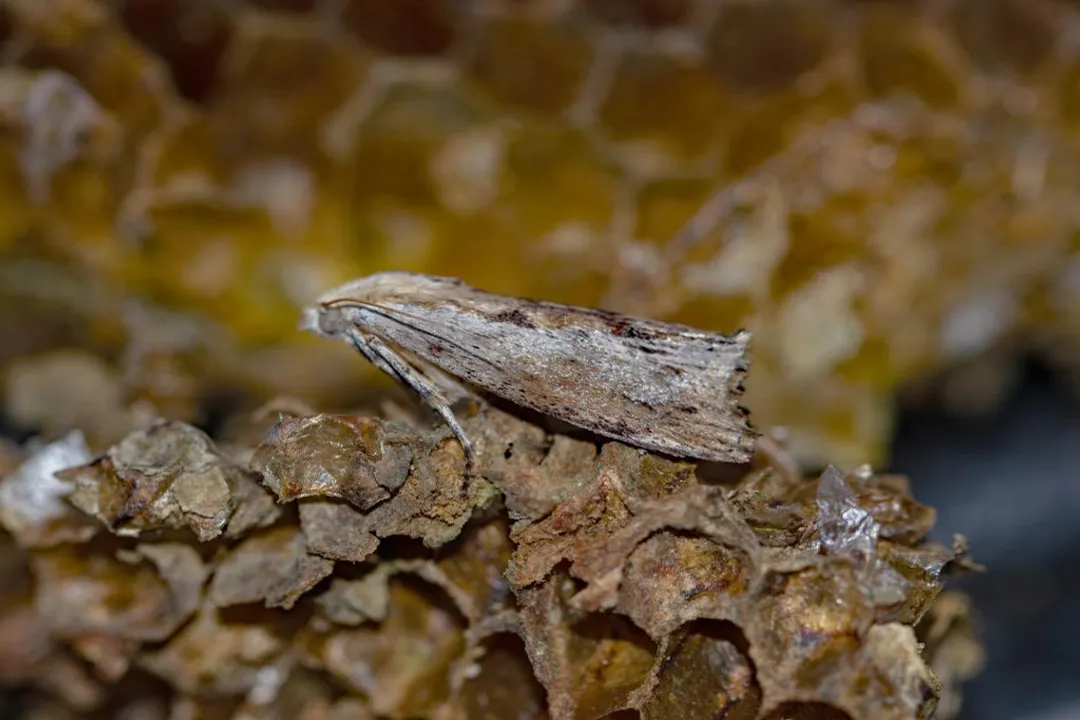
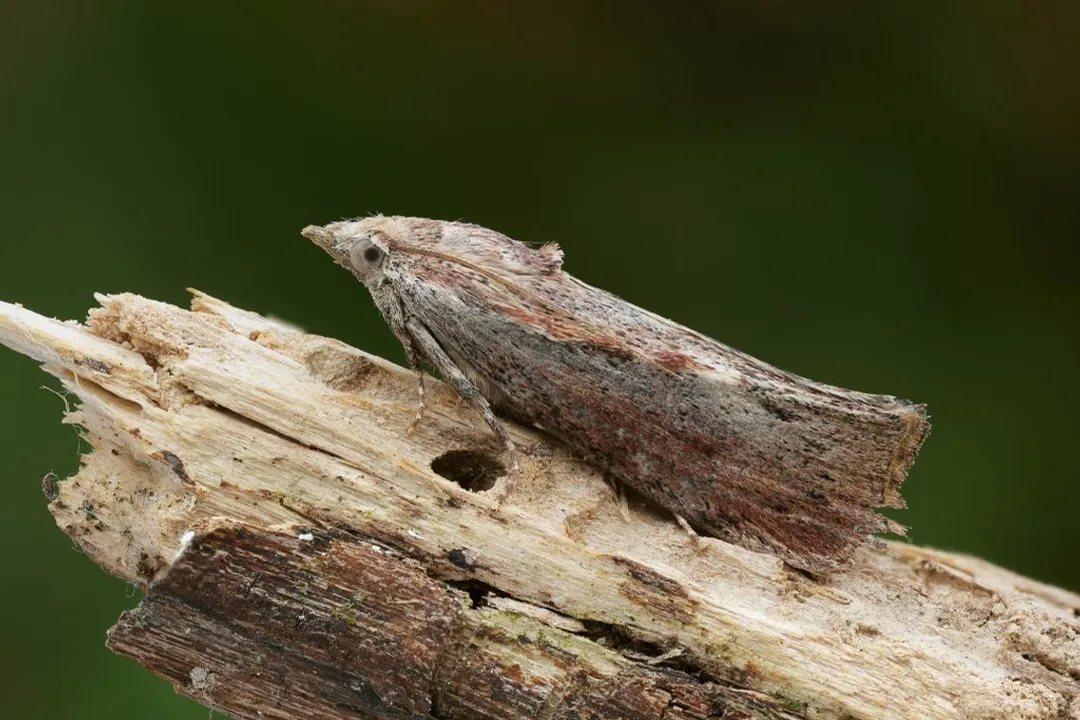
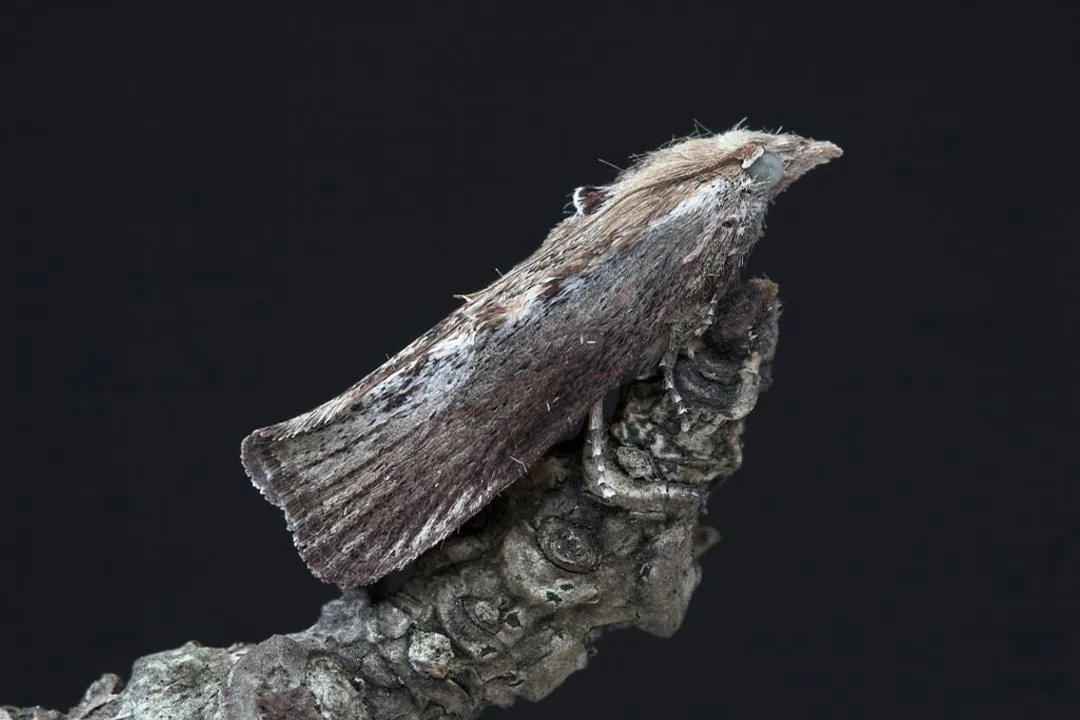
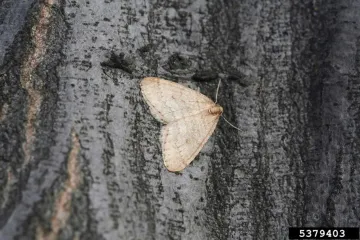
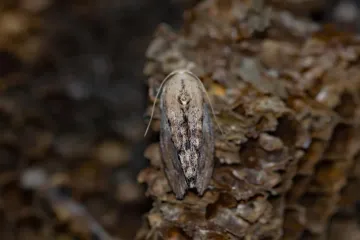
The presence of wax moths is a concern that spans the globe wherever Apis mellifera or other social bees are kept. The greater wax moth (Galleria mellonella), often simply called the wax moth or honeycomb moth, has established itself as a pest across vast territories, a testament to its adaptability and the worldwide movement of beekeeping equipment. While the world may view it as a minor nuisance in healthy settings, its impact on weak colonies and especially on stored comb can be financially significant, creating an ongoing management challenge for apiculturists everywhere.
# Worldwide Spread
The geographic range of G. mellonella is expansive. Historically, this species was first documented as a pest in Asia, but from there it began its slow march across continents. Today, reports confirm its distribution across the entire globe. To put this distribution into perspective, the moth has been documented in twenty-seven African nations, nine Asian countries, four North American countries, three Latin American countries, Australia, ten European countries, and various island nations. In the United Kingdom, specifically England, Wales, and Scotland, its presence is noted as locally scattered.
This widespread success is intrinsically linked to the industry it targets. The moth’s life cycle is tied directly to the presence of its primary food source: honeybee comb. The global trade and transfer of beekeeping materials, such as used frames or even entire colonies moved for pollination services or agricultural needs, serve as the primary vectors for accidentally transporting eggs or larvae to new, susceptible locations. If a beekeeper were to transport frames full of old, nutrient-rich brood comb across state or national lines without proper pre-storage treatment, they are effectively seeding new areas with future generations of the pest.
# Climate Effect
Temperature plays a significant role in determining not just if the wax moth can survive in a location, but how fast it can complete its generations. The optimal developmental temperatures hover around 29–33 °C (84–91 °F), provided humidity is also adequate. This explains why the moth is considered a particularly severe problem in warmer zones. For instance, in Florida, the mild climate permits the moths to thrive and maintain activity nearly year-round, meaning both eggs and larvae can almost always be found in colonies. In contrast, the greater threat in temperate zones is often during the warmer summer months, with development slowing or stopping entirely when temperatures drop below freezing, which is lethal even after brief exposure. Under favorable, warm conditions, such as those found in the Southern U.S. or true tropical climates, the infestation can accelerate rapidly, potentially destroying brood combs within a single month.
# Habitat Niches
When discussing "locations," it is crucial to distinguish between the living hive and equipment in storage, as the moth's success differs markedly in each environment.
# Active Colonies
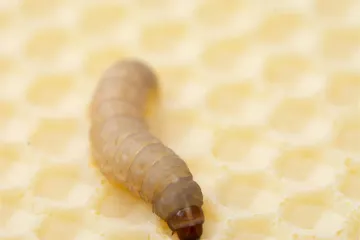
In an active, strong, queen-right honeybee colony, the wax moth is usually held in check. Worker bees are remarkably adept at identifying and ejecting larvae, whose silken tunnels are difficult to remove. Adult females generally enter hives at dusk to lay eggs in small cracks and crevices within the hive structure. A healthy colony's population size and vigilance prevent the infestation from reaching damaging levels. However, if a colony becomes weak—due to disease, starvation, or the loss of its queen—the protection falters, allowing the moth population to surge. The presence of significant wax moth damage in a living hive is frequently an indicator that a more serious, underlying problem has already weakened the bees.
# Stored Equipment
The location where wax moths cause their most catastrophic damage is often out of the hive, in stored beekeeping equipment. This is where the insect’s preference for darkness, warmth, and lack of bee defense becomes a critical vulnerability for the beekeeper.
While a healthy colony actively fights off the larvae, stored supers are essentially an unattended feast. A key difference is that the larvae prefer older, darker comb that has contained brood or pollen over new, light foundation. This preference means that beekeepers who store their heavier, more valuable used brood boxes—which are loaded with impurities that the larvae feed on—are creating the ideal artificial breeding ground.
When equipment is stored this way, the moth lifecycle accelerates, sometimes completing multiple generations in the time a colony would normally survive a single season. The larvae will spin tough cocoons, often cemented into boat-shaped cavities they chew directly into the wooden components like frame lugs or hive walls, leaving behind permanent physical damage long after the adult moth has emerged.
# Species Distinction
While the focus is often on the greater wax moth (G. mellonella), it is worth noting that in some areas, like the UK, there is a second common species: the lesser wax moth (Achroia grisella). Generally, the greater wax moth is considered the more destructive and is the more commonly encountered species. The lesser wax moth larvae consume similar materials but are reportedly not found in comb actively occupied by bees and do not damage the wooden hive components to the same extent as their larger cousin. Understanding which species is present can subtly influence management, as the greater moth poses the higher structural risk to woodenware.
# Regional Behavior Nuances
The regional context influences pest management strategies. In the Mid-Atlantic states, beekeepers might rely on normal winter temperatures to keep stored comb in check, making a single pre-storage fumigation potentially sufficient. Conversely, the Southern U.S. and tropical locations face a much more aggressive timetable, demanding year-round vigilance because the warmer environment supports continuous development.
The preference of females for laying eggs can also show geographical variation, which is an interesting point of comparison. While clusters of 50–150 eggs have been reported in the United States, much larger clusters, sometimes 300–600 eggs, are commonly noted in India. This difference in oviposition strategy suggests that local environmental pressures or perhaps differences in the primary host species (if other wild bees are involved) influence reproductive output across their distribution.
# Managing Location Risks
Since the moth is found globally and thrives in stored areas, the beekeeper’s focus shifts from where the moth is located geographically to where in their operation the moth is allowed to establish itself. The critical locations to protect are:
- Cracks and Crevices: Anywhere an adult moth can hide during the day or deposit an egg cluster that is out of reach of guard bees. Sealing these potential entry points is fundamental preventative care.
- Dark, Unused Spaces: Any stacked supers or boxes that are left stacked tightly, especially in a shed or garage that remains warm through winter, become prime targets for infestation. Stacking equipment with spacers or sticks to deliberately introduce light and air flow is a simple, low-cost cultural practice to deter egg-laying in storage areas, though this must be balanced against protection from other pests like Small Hive Beetle.
It is essential to remember that the presence of wax moth larvae tunneling through comb is often just a secondary symptom. If you find them actively destroying comb, the primary location that needs inspection is the colony itself to determine why the bees lost their ability to police their own hive. A large infestation in a living hive signals a breakdown in the bee-maintained defense perimeter.
Ultimately, the wax moth follows the honeybee. Its location is defined by the availability of beeswax comb, whether that comb is currently being utilized by a thriving colony or sitting dormant in a storage area waiting for spring. Managing their presence requires a continuous awareness of every location where comb resides, ensuring that the natural recycling agents of the wild do not become unchecked destroyers of managed apiaries.
Related Questions
#Citations
Galleria mellonella - Wikipedia
Greater Wax Moth / Honeycomb Moth - Butterfly Conservation
Wax Moths - Texas Apiary Inspection Service (TAIS)
ENY121/AA141: Wax Moth Control - UF/IFAS EDIS
[PDF] Wax Moth
A Guide to Dealing with Wax Moths in Beekeeping - Dadant & Sons
[PDF] Wax moth - May 2025 - National Bee Unit
The Great Wax Moth Invasion! - The Bee Supply