How many eggs does a cabbage moth lay?
The question of productivity for the insect commonly referred to as the cabbage moth is central to understanding garden damage, as the female lays a significant number of eggs that hatch into voracious caterpillars. Reports on the precise quantity vary slightly, likely depending on the specific species being observed, but the consensus points toward high reproductive output. Some sources indicate that a female cabbage moth can deposit up to 150 eggs. However, management literature referencing the Mamestra brassicae (Cabbage Moth) suggests a higher potential, stating that females lay between 150 and 500 eggs in total.
# Egg Placement
The location where these eggs are deposited is critical for pest management, as it dictates where the first lines of defense should be established. Generally, the female moth prefers the underside of leaves for oviposition. This placement offers a measure of protection from direct sunlight and weather, though it doesn't entirely hide them from predators or observant gardeners.
There appears to be some variation in the grouping habits based on the pest identity. Moths associated with the term Cabbage Worm (often Pieris rapae, the Cabbage White Butterfly) tend to lay their eggs singly on the foliage. In contrast, the Cabbage Moth species referenced in agricultural guides often lays its eggs in clusters on the leaves. For a gardener dealing with brassicas like cabbage, broccoli, or cauliflower, understanding this distinction can refine scouting efforts. If you find a single, pale egg tucked underneath a leaf, you are likely dealing with the Cabbage White Butterfly complex. If you encounter a small, glued-together mass of eggs, you might be facing the true Cabbage Moth (Mamestra brassicae). If a single female is capable of laying 150 eggs, and you are dealing with a mixed population of pests, visualizing the potential load is stark: ten successful females could theoretically deposit over a thousand feeding stations on your crop patch in one season, even if only 150 eggs per female is the low-end estimate.
# Physical Appearance
The appearance of the eggs themselves offers clues for identification. They are typically small, pale, and somewhat conical or oval in shape. The color can range from creamy white to pale yellow. While often overlooked due to their size, careful inspection of the preferred leaf undersides—especially on host plants—is key to early detection.
# Hatching Timeline
Once laid, the eggs have a developmental period before hatching into the larval stage, which is when the real damage begins. The time it takes for the egg to hatch is influenced significantly by ambient temperature. Under optimal warm conditions, the eggs may hatch within about a week. In cooler weather, this process will take longer, meaning that identifying and removing eggs earlier in the season or during cooler periods provides a longer window for intervention before the larvae emerge. The cabbage moth life cycle progresses from egg to larva (caterpillar), pupa, and then to the adult moth.
# Host Plants and Infestation
Cabbage moths and their caterpillar relatives target cruciferous vegetables, known botanically as brassicas. This group includes familiar garden staples such as cabbage, broccoli, cauliflower, kale, and Brussels sprouts. The larvae feed voraciously on the leaves, causing ragged holes and significant defoliation.
The preference for laying eggs on the underside of leaves is an evolutionary strategy, but the emerging caterpillars often begin their destructive feeding on the outer leaves before moving toward the inner, developing heads of cabbage or broccoli. For crops like cauliflower, which develop a dense head, larvae can burrow deep inside, making them very difficult to locate and treat once established. This underscores why monitoring for eggs or very young larvae is vastly more effective than waiting until visible damage appears. If monitoring reveals that egg deposition is heavy on outer leaves, focusing initial physical removal or organic sprays there can dramatically reduce the population before the caterpillars migrate inward toward the valuable crop core.
# Managing Early Stages
Since the adult moth is the stage that lays the eggs, controlling the adult population directly reduces the subsequent caterpillar pressure. Practices that disrupt the adult life stage can be highly effective. For example, using row covers, fine mesh placed over crops, is a common physical barrier that prevents the female moths from reaching the foliage to deposit their eggs.
When chemical or biological controls are necessary, timing is everything, and that timing is dictated by the egg stage. Applying treatments when caterpillars are newly hatched is often recommended, as they are small and more vulnerable. However, knowing the laying pattern—clustered versus singular eggs—can slightly alter the application approach. For cluster layers, a targeted spray on the cluster site might suffice, whereas scattered eggs require broader, preventative coverage across all suitable foliage of the host plants.
# Distinguishing Pests
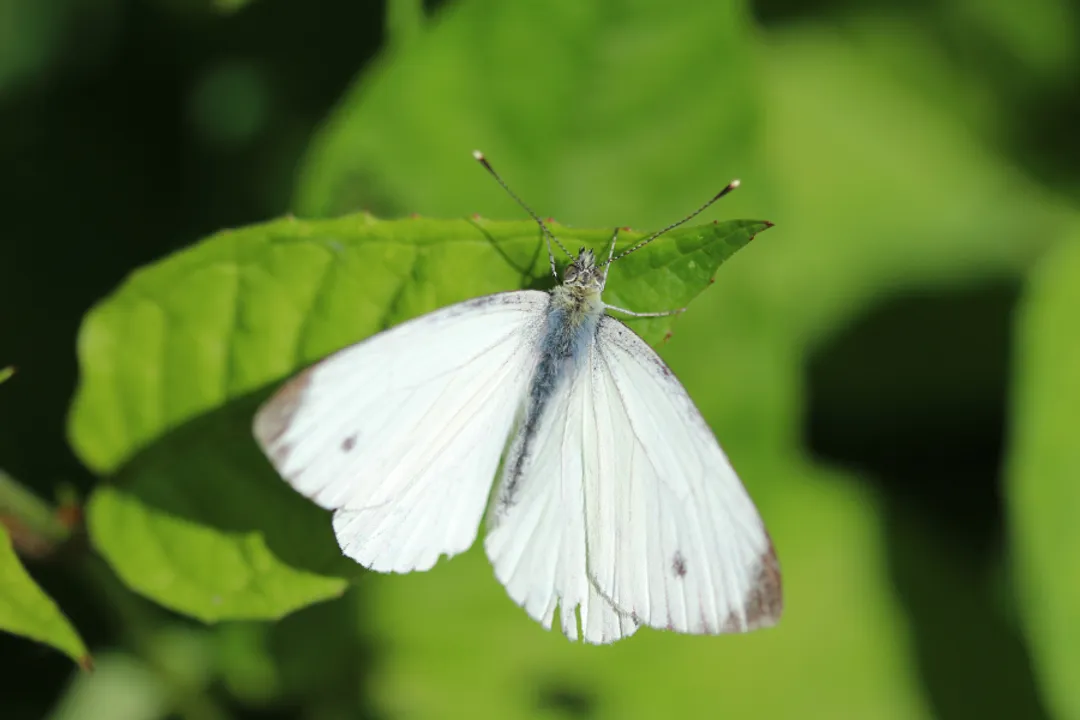
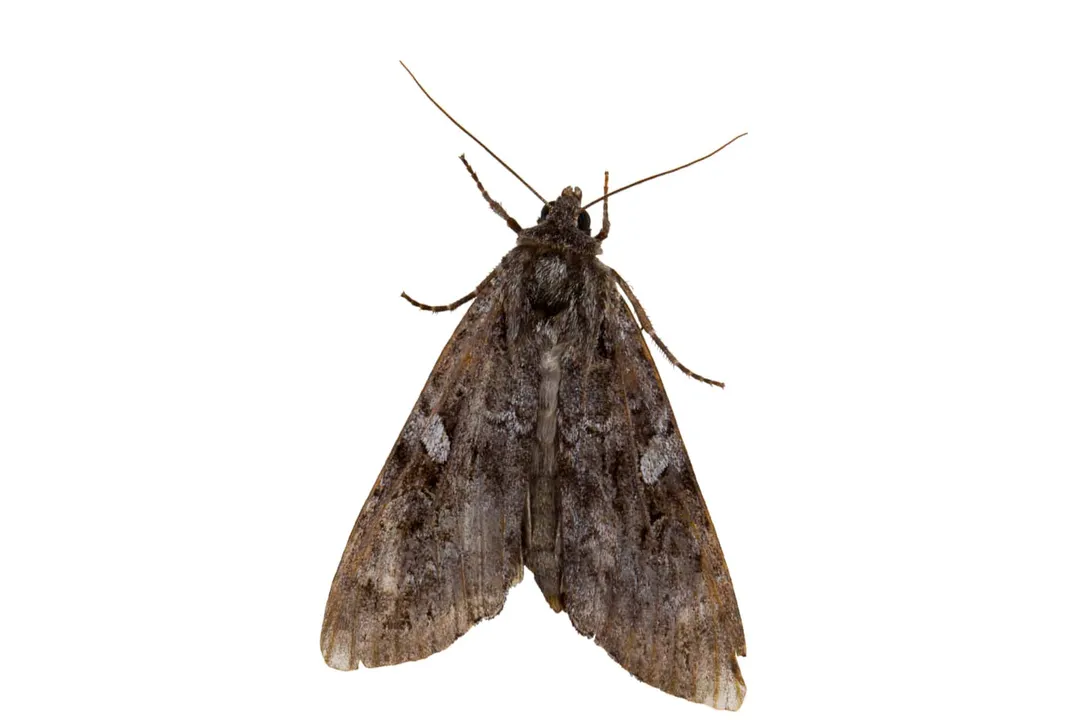
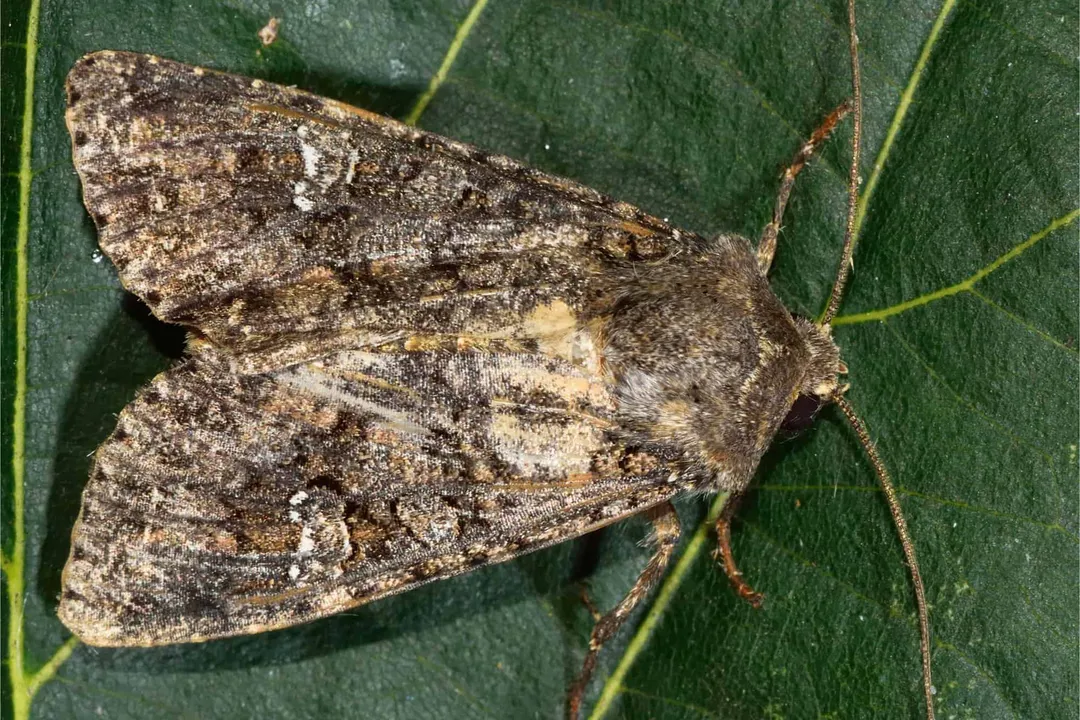
It is helpful for growers to recognize that the term "cabbage moth" is used broadly, sometimes interchangeably with "cabbage white butterfly," leading to confusion about the exact pest. While both groups target brassicas and lay eggs on the leaves, their egg-laying morphology differs slightly (clusters versus singles). The adult moths themselves are often white or pale brown/greyish, which can lead to misidentification in the field. Proper identification, even if the management strategy overlaps significantly for home gardeners, aids in predicting population behavior. For instance, recognizing the Cabbage White Butterfly (Pieris rapae) allows a gardener to anticipate finding single eggs rather than masses, affecting where they spend their time scouting.
The adult moths generally lay their eggs throughout the growing season as long as conditions permit the development of successive generations. This continuous egg-laying cycle means that protection installed early in the season, like floating row covers, often needs to remain in place, or treatments need to be reapplied, as new adults emerge and begin laying their own batches of eggs.
# Life Cycle Details
The female moth lays her eggs, and after the incubation period of approximately one week in warm weather, the larvae emerge. These larvae are the caterpillars responsible for feeding. The entire life cycle is dependent on consistent warmth to progress quickly through the stages. In temperate climates, multiple generations of cabbage moths can occur throughout the summer months, meaning that if the first batch of eggs is missed, the resulting caterpillars will mature, pupate, and produce a second generation of egg-laying adults shortly thereafter.
The caterpillars themselves are greenish-white to pale green, sometimes with a faint stripe running down the back. They are soft-bodied and can blend in well with the foliage, especially when they are small. Their appetite is substantial relative to their size, which is why the seemingly small number of eggs—150 to 500 per female—translates into significant crop damage very rapidly. Monitoring should continue even after the caterpillars have hatched, as late-stage larvae are often more visible but are also harder to control with many common garden treatments designed for smaller pests.
# Protecting Brassicas
Effective management hinges on intercepting the egg layer or the freshly laid egg. Beyond physical exclusion using row covers, encouraging natural predators is a beneficial long-term strategy for balancing the garden ecosystem. Birds, parasitic wasps, and ground beetles are natural checks on caterpillar populations, and creating a habitat that supports these beneficial insects indirectly reduces the success rate of the moth's egg-laying efforts.
If physical barriers are not used, consistent scouting is the only recourse for dealing with the eggs themselves. Because females target the underside of leaves, turning the leaves over regularly—especially on mature plants where the inner leaves are dense—is necessary. For those cultivating large rows of susceptible vegetables, a rotational pattern of inspection, perhaps checking one row completely every other day, can ensure that eggs are spotted before hatching occurs. While it is a chore, handpicking and destroying any eggs found is an immediate, zero-chemical intervention that stops the next generation dead in its tracks.
The fact that the eggs can number up to 500 per female suggests that an insecticide or biological control targeting the larvae should be chosen based on its efficacy against newly hatched stages, rather than waiting for the damage to become obvious, by which point many eggs may have already hatched and begun feeding deep within the plant structure.
Related Questions
#Citations
Cabbage moth - Biocontrol, Damage and Life Cycle - Koppert US
Cabbage Worms and Cole Slaw - Tyler Arboretum
Cabbage Moth Insect Facts - Mamestra brassicae - A-Z Animals
Cabbage moth eggs on serviceberry, what are they? - Facebook
Cabbage Moth & Cabbage Butterfly Control in Your Garden
Identification and management of the cabbage moth in vegetable ...
White Cabbage Butterfly - Kat's Garden
GARDENING MYTH DEBUNKED It's caterpillar season, especially ...
Cabbageworm - Maine Organic Farmers and Gardeners Association