What allows *Galleria mellonella* larvae to consume beeswax?
Answer
Enzymes that break down complex esters and long-chain fatty acids
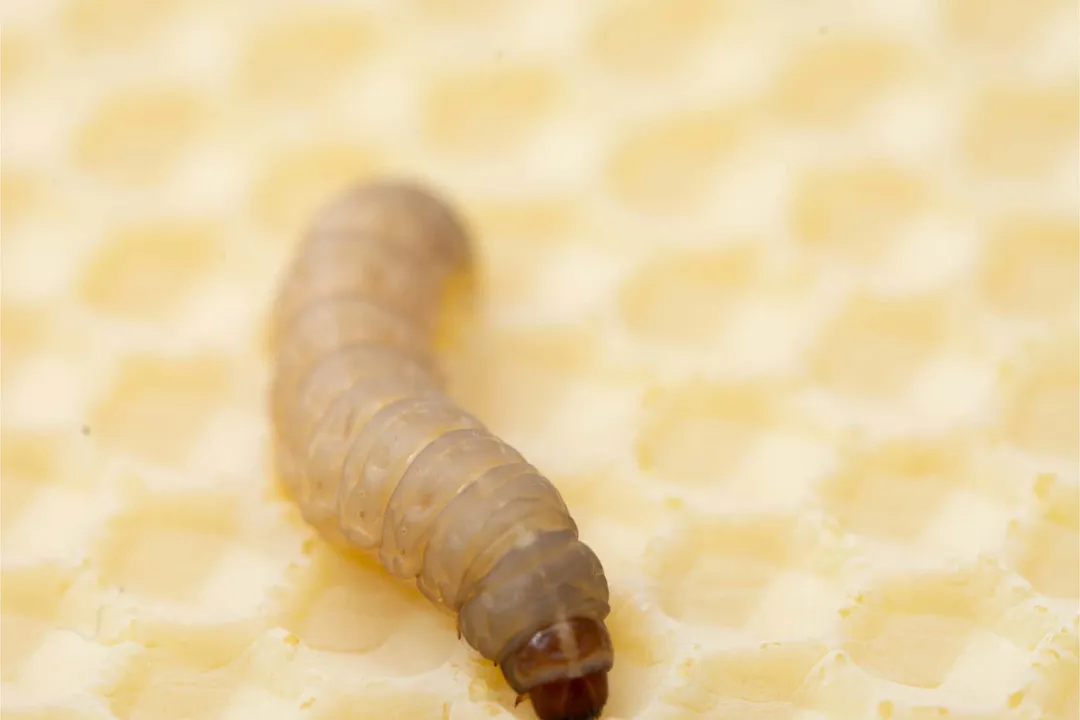
The capability of the wax moth larva to consume beeswax is a defining characteristic of its specialized diet, separating it from most other insects. This process is enabled by the presence of specific enzymes synthesized within the larva. These enzymes are highly effective at breaking down the molecular structure of beeswax, specifically targeting the complex esters and the long-chain fatty acids that make up this durable substance. This digestive capability is what allows the larva to not only utilize the stored food (honey and pollen) but also to metabolize the structural material of the comb itself, leading to extensive tunneling.
Related Questions
What three core components constitute the primary diet of wax moth larvae in a honeybee colony?What allows *Galleria mellonella* larvae to consume beeswax?What critical element is consistently cited for adult wax moth survival and egg laying?Besides consumption, what physical byproduct do developing wax moth larvae create in the comb structure?Which ingredients, besides purified beeswax, are often incorporated into successful artificial waxworm rearing media?What aspect of the waxworm’s diet determines its final nutritional value for reptiles or spiders?In which hive environment are stored supers particularly vulnerable to wax moth larvae infestation?How does the primary biological goal of the adult moth differ from the larval stage?What is the destructive consequence when wax moth larvae tunnel through and consume stored comb structure?Which chemical components of beeswax are waxworm larvae uniquely capable of processing?