Where was the greater wax moth, Galleria mellonella, first documented as a pest?
Answer
Asia
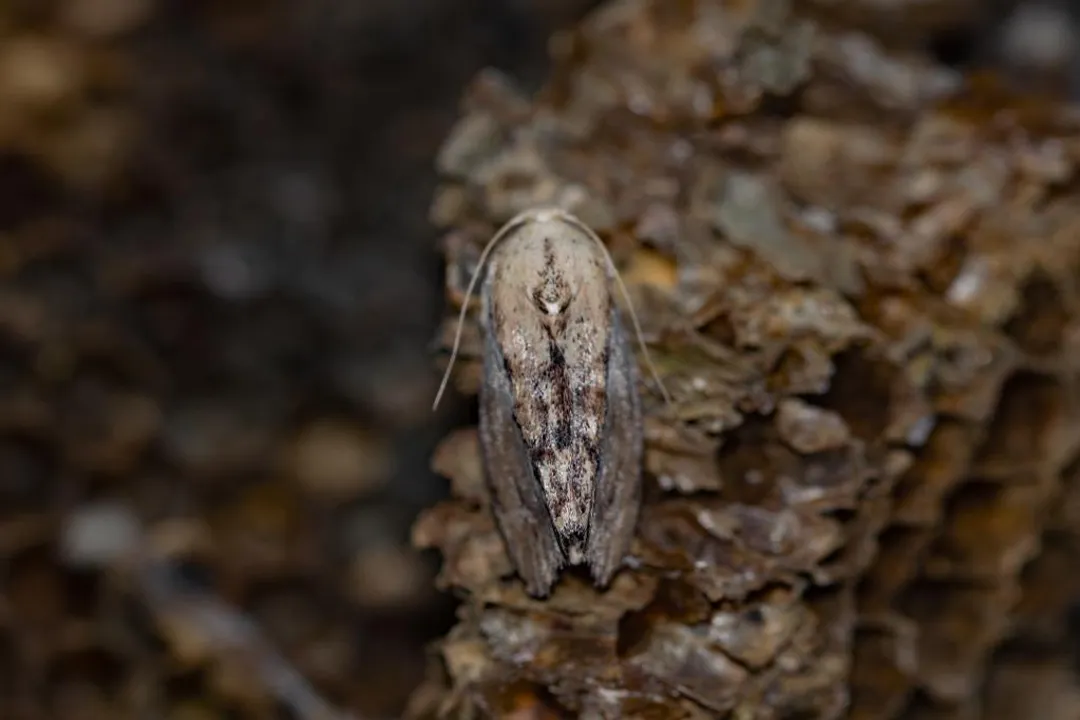
The geographic spread of the greater wax moth, Galleria mellonella, began historically in Asia, where it was first documented as a pest. From this originating location, it commenced its gradual expansion across other continents. This initial spread laid the groundwork for its current global distribution, facilitated by the worldwide transfer of beekeeping equipment, which acts as the vector for transporting the pest’s eggs or larvae into new, susceptible areas outside of its original range.
Related Questions
Where was the greater wax moth, Galleria mellonella, first documented as a pest?What temperature range represents the optimal developmental temperatures for Galleria mellonella?Which wax moth species poses the higher structural risk to woodenware components like hive walls?In which location do wax moths generally cause their most catastrophic damage?What food source preference dictates where larvae cause significant damage in stored supers?What is a fundamental preventative care measure to protect active colonies from adult female moths?How does the climate in the Southern U.S. influence the speed of wax moth infestation development?What is the reported size range for egg clusters commonly noted in India?What consequence results from larvae spinning cocoons into wooden hive components?If a beekeeper finds active wax moth larvae destroying comb in a living hive, what is the primary issue to inspect?