White-shouldered House Moth Diet
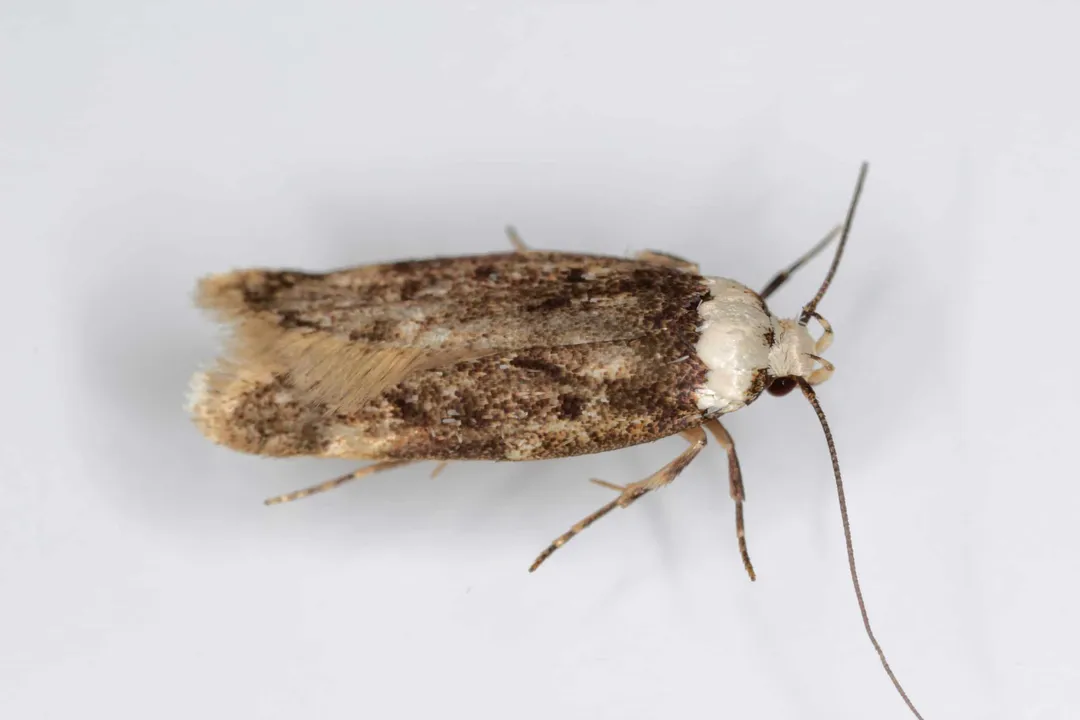
The White-shouldered House Moth, scientifically known as Endrosis sarcitrella, is a small, frequently encountered indoor pest whose dietary habits are quite broad, especially during its larval stage. [1][2] Unlike some highly specialized insects, this moth exhibits remarkable adaptability, allowing it to thrive in environments ranging from attics filled with old textiles to modern storage areas containing packaged foods. [4][6] Understanding what the larvae eat is key to managing them, as their nutritional requirements dictate where an infestation will establish and develop. [5]
# Larval Sustenance
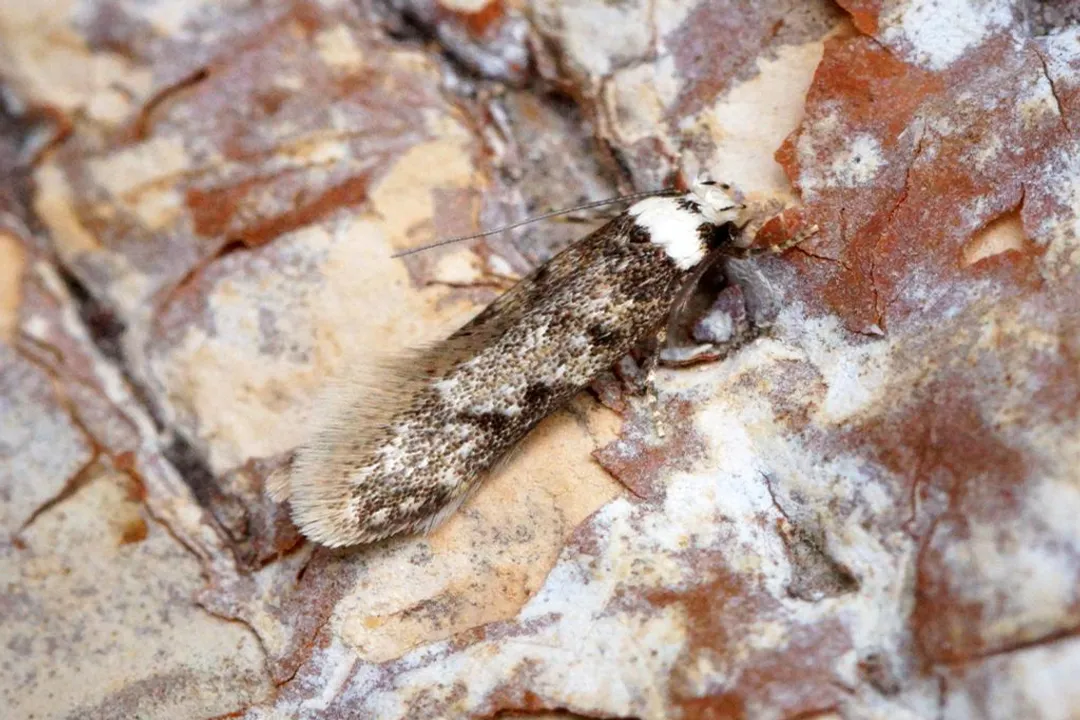
The most significant feeding activity comes from the larval stage—the caterpillar-like form—which requires substantial nutrition to progress to the pupa and then the adult moth. [1] The diet is characterized by materials rich in keratin or other organic compounds found in debris. [4][7] The sources point toward a three-pronged dietary approach taken by these larvae: natural fibers, stored commodities, and general organic debris. [2][6] The specific materials consumed often depend on what is most readily available in the immediate habitat of the infestation. [5]
# Natural Fibers
One of the primary and most notorious food sources for the White-shouldered House Moth larva involves textiles derived from animal products. [3] These larvae are well-known for damaging items made of wool and silk, materials rich in protein that they can readily digest. [1][2] Furthermore, materials like furs and feathers also fall into this category of consumable natural fibers. [2][4] This dietary preference places them alongside other common textile pests, making routine inspection of stored woolens, old rugs, or decorative furs an important preventive measure, particularly in dark, undisturbed storage locations like attics or infrequently used closets. [1][6]
# Stored Goods
While often categorized as a textile pest, the White-shouldered House Moth also shows a strong inclination toward certain stored food products, especially when textile options are scarce or when the larvae find themselves in a pantry environment. [2][5] They have been recorded feeding on commodities such as flour, dried fruit, and even dog biscuits. [2][5] This overlap with true pantry pests means that an infestation might first present as spoiled goods rather than damaged clothing. [9] If a batch of dried fruit purchased months ago has been left open in a corner cupboard, it can easily become a breeding site for this species. [1]
# Dust Debris
Perhaps the most ubiquitous and least appreciated food source for Endrosis sarcitrella is simple environmental detritus. [7] The larvae thrive in accumulated dust, lint, and general debris found in dark, neglected areas. [4][6] In lofts or under floorboards, where direct access to woolen blankets or open flour bags might be limited, the larvae subsist on this organic mixture. [7] This debris often contains shed human and pet hair, dead insects, and decaying organic particles, providing the necessary protein and complex materials for larval development. [4][7] This capability to subsist on common household waste highlights why they are so successful at colonizing neglected indoor spaces. [5] The presence of accumulated dust, lint, and pet hair in vents or behind heavy, un-moved furniture creates a viable, low-effort food source for the moth, even if no specific textile or food item is obviously infested. [6]
The significant variance in reported larval diet—from eating fine silk or wool to surviving purely on dust and lint—suggests that the moth acts as a highly opportunistic generalist. An infestation starting near a forgotten box of old wool sweaters in an attic might persist for years by shifting its primary food source to the dust and insect remains accumulating around the box itself if the sweaters are eventually removed. [4] This adaptability means that pest management cannot focus on just one category of material; any undisturbed, organic-rich environment is potentially vulnerable. [5]
# Adult Intake
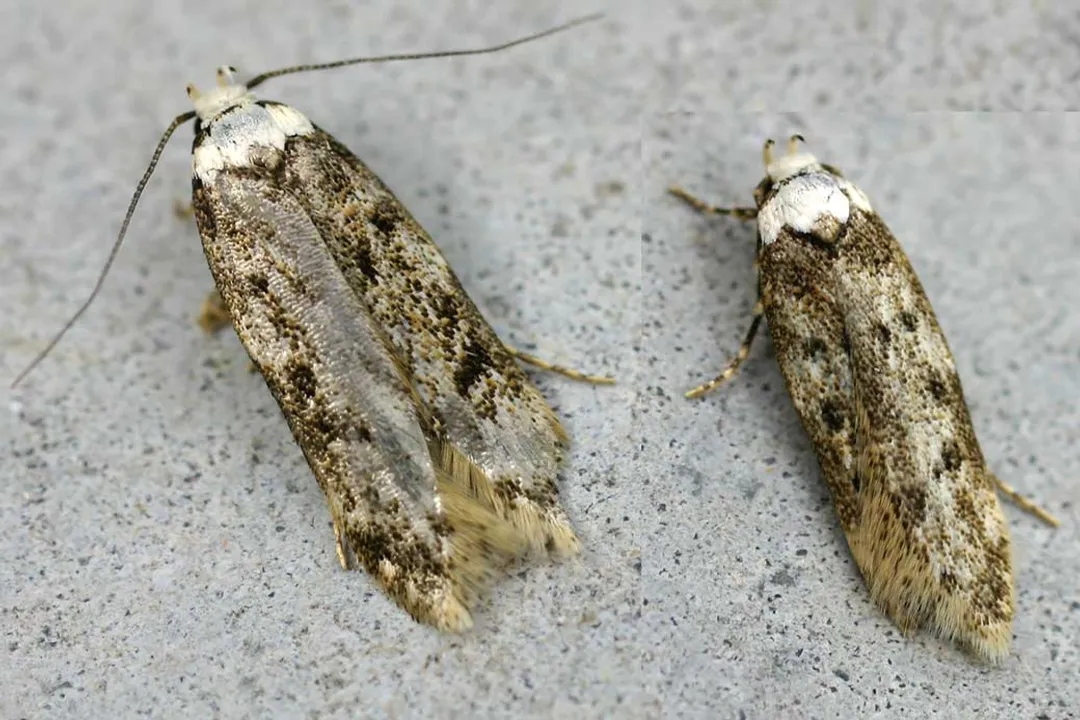
In stark contrast to the voracious, material-consuming larvae, the adult White-shouldered House Moth has a much less impactful diet. [1] Adult moths are generally not considered pests in terms of damage, as they do not feed on fabrics or stored goods. [2] Their mouthparts are adapted for consuming liquids. [8] The documented sustenance for the adult stage is typically nectar from flowers. [1][2] While general moth-keeping advice might suggest providing sugar water or fruit slices for captive specimens, the wild adult's focus is on liquid energy sources necessary for flight and reproduction, rather than substantial nutrition for growth. [8]
# Contextual Feeding Analysis
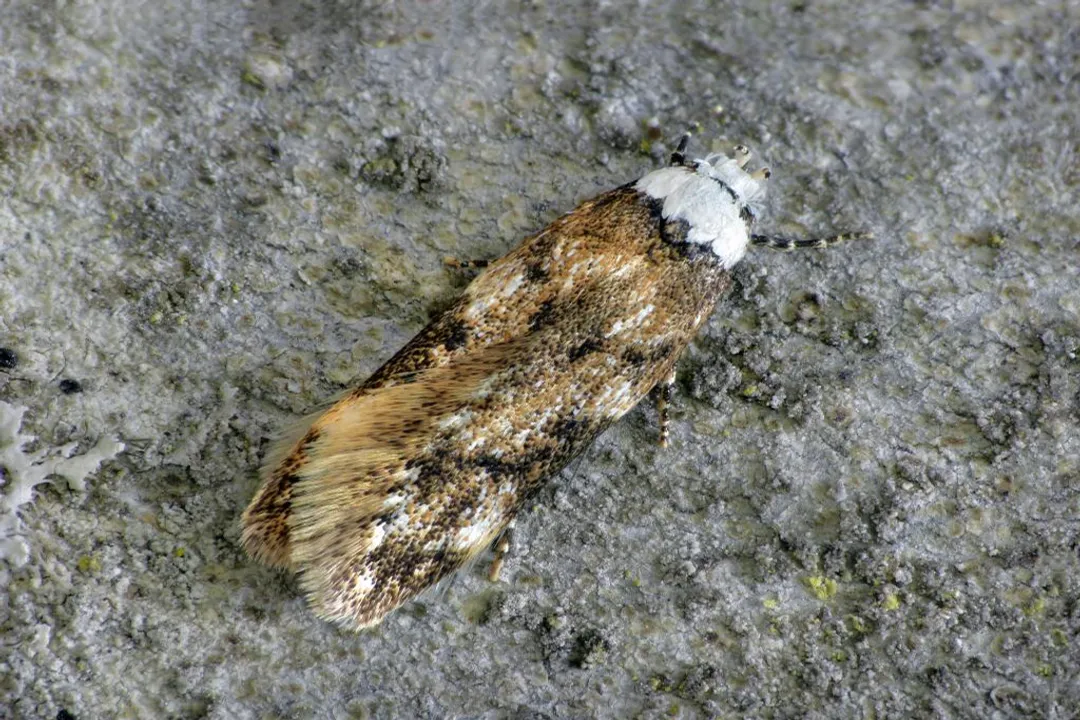
When examining pest reports, the location where the moth is found often dictates the suspected food source. For instance, finding them in a poorly ventilated storage room heavily implies textile damage or consumption of stored grain products, as these environments naturally offer those food types. [6] Conversely, finding them exclusively in the highest, dustiest reaches of an attic, far from stored clothing or food, strongly points to their diet being sustained entirely by accumulated lint, dead insect matter, and general building dust, as described in records from older structures. [4][7]
An actionable insight for homeowners dealing with an identification question arises from cross-referencing the life stages. If you find damage to a wool sweater, you know the larva was present and feeding on protein fibers. [3] If you find the adult moths flying around a light source near a storage closet, their presence confirms that a successful larval generation recently developed nearby, feeding on whatever organic material was available in that specific micro-environment—be it a scrap of fabric, a spilled spoonful of flour, or simply the dust bunnies under the baseboard. [5] This means successful eradication requires a two-pronged approach: eliminating the current food source for any existing larvae and deep cleaning to remove the potential future food source (dust/lint) that sustains new generations in overlooked crevices. [7] The moth's success is tied not just to what it eats, but where that food accumulates undisturbed. [4]
| Food Category | Specific Examples | Primary Life Stage | Key Nutritional Element |
|---|---|---|---|
| Natural Fibers | Wool, Silk, Fur, Feathers | Larva | Keratin/Protein [1][2] |
| Stored Goods | Flour, Dried Fruit, Dog Biscuits | Larva | Carbohydrates/Fats/Protein [2][5] |
| Organic Debris | Dust, Lint, Insect Remains | Larva | Mixed Organic Matter [4][7] |
| Liquid Sources | Nectar | Adult | Sugars for Energy [1][2] |
The fact that the larvae are capable of developing well on something as low-grade as accumulated dust—which is a constant byproduct of human habitation—is a major reason Endrosis sarcitrella maintains its status as a common household insect worldwide. [7] It requires very little to maintain a population, making complete eradication challenging without thorough sanitation of all hidden areas. [6]
Related Questions
#Citations
The White Shouldered House Moth - A Homeowners Guide
White-Shouldered House Moth | Pest Solutions
White-shouldered House Moth - Endrosis sarcitrella - A-Z Animals
White-shouldered House-moth | Butterfly Conservation
White shouldered moths : r/pestcontrol - Reddit
White-Shouldered House Moth - Veseris
Endrosis sarcitrella - Moths and Butterflies of New Zealand Trust
What can I feed a moth if I'm keeping one at home? - Quora
How to Control a Pantry Moth Infestation - Terro