Are imperial moths poisonous to humans?
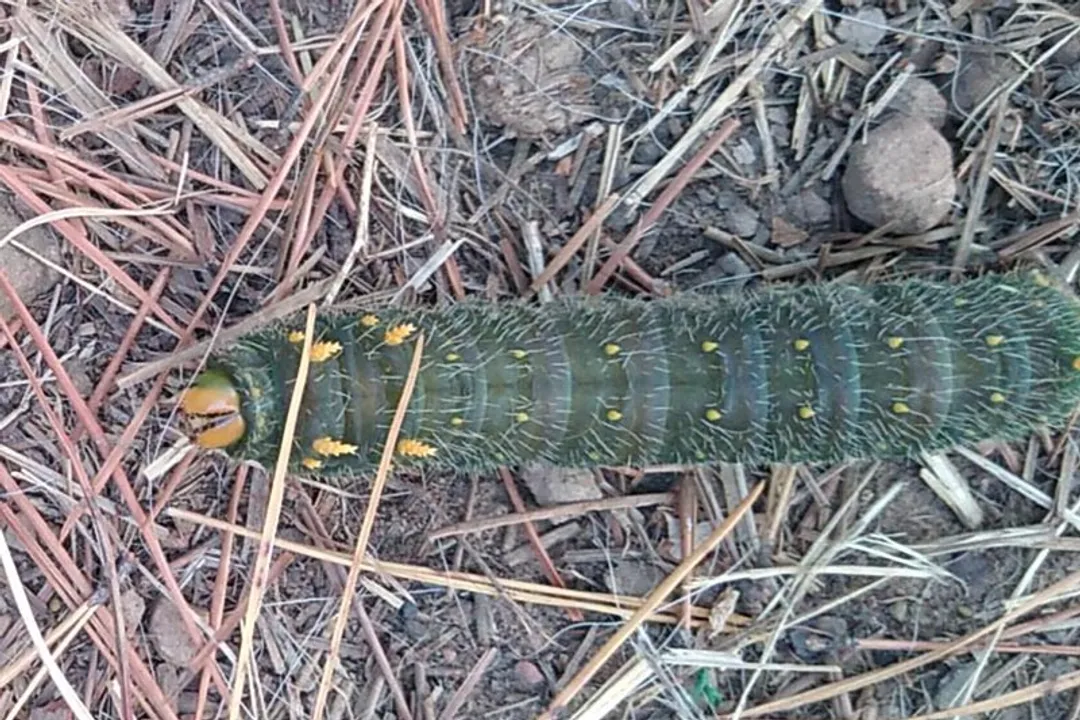
The presence of a large, dramatically colored insect often prompts an immediate safety check, and the Imperial Moth, particularly in its larval stage, is no exception. People frequently wonder about the potential dangers posed by creatures so visually striking. Determining whether the Imperial Moth—Eacles imperialis—or its caterpillar presents a risk to humans requires looking closely at its life cycle and defense mechanisms, which are quite different from those insects that carry true venom or poison. [2]
# Toxicity Status
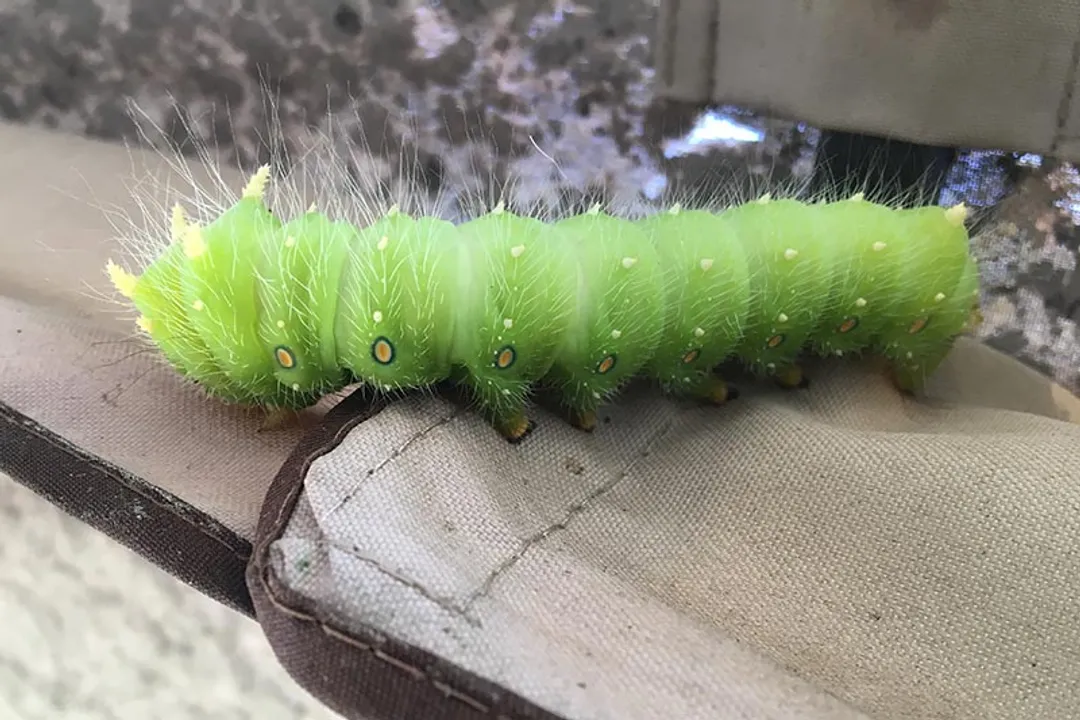
The short answer, based on current entomological understanding and observer reports, is that the Imperial Moth caterpillar is not poisonous to humans. [5][6] Unlike some caterpillars that possess urticating hairs capable of injecting toxins that cause severe pain or systemic reactions, the danger associated with the Imperial is generally limited to mild mechanical irritation if handled improperly. [1] The adult moth, which emerges from the pupa, poses no sting or bite threat and is equally non-toxic when observed or accidentally encountered. [4]
# Larval Look
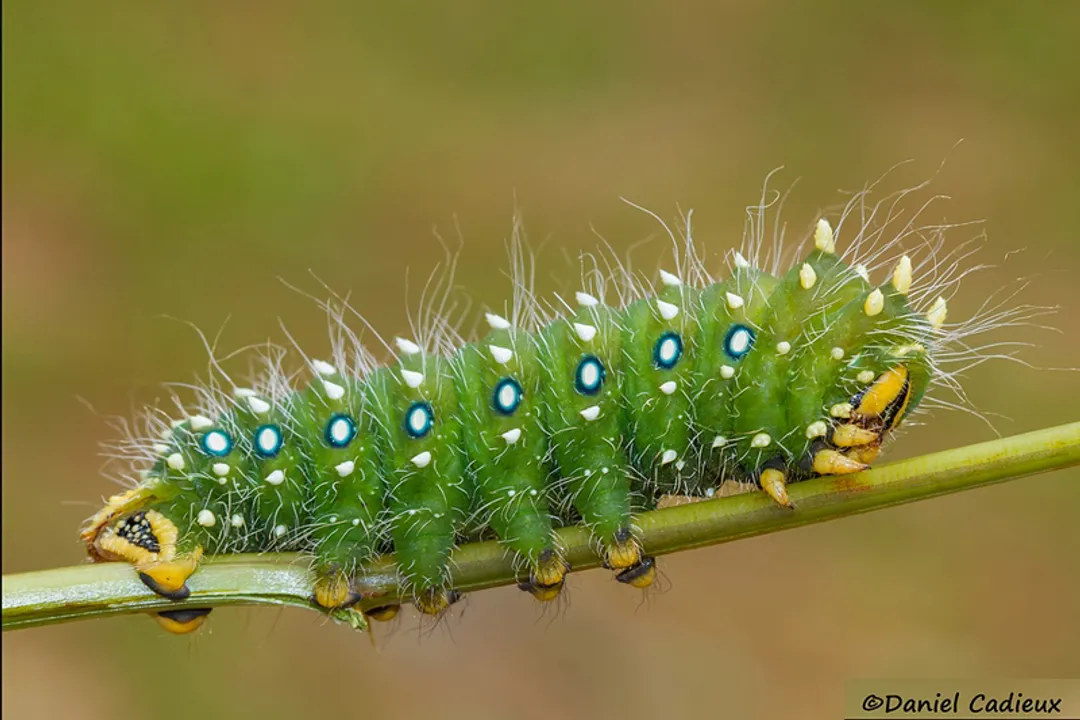
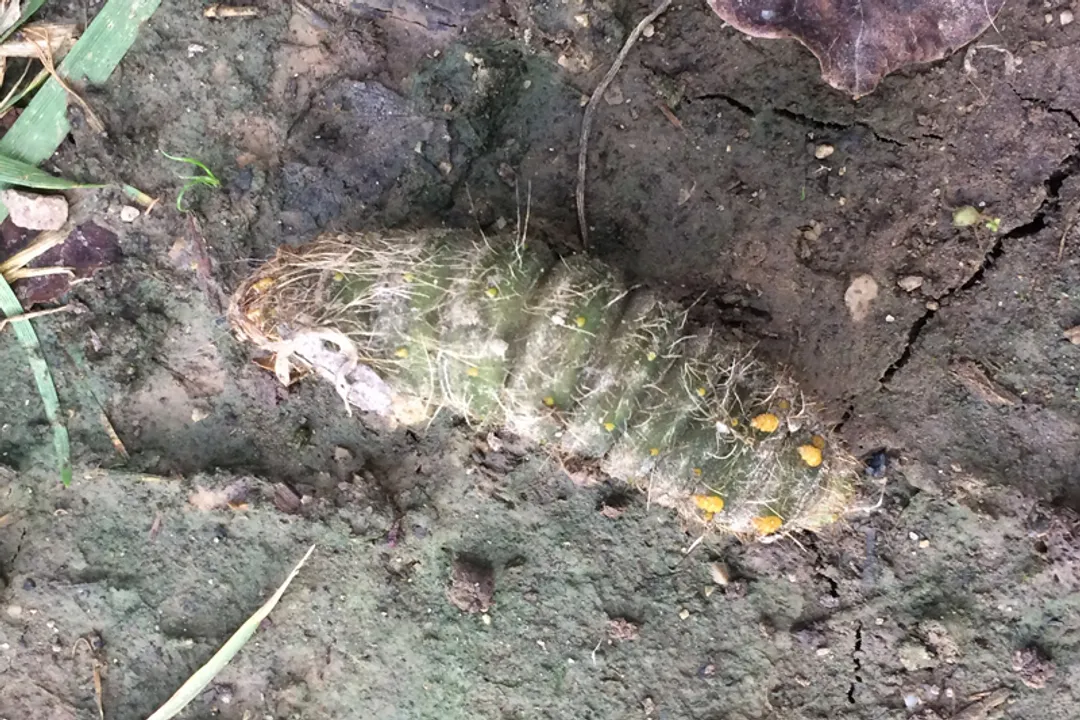
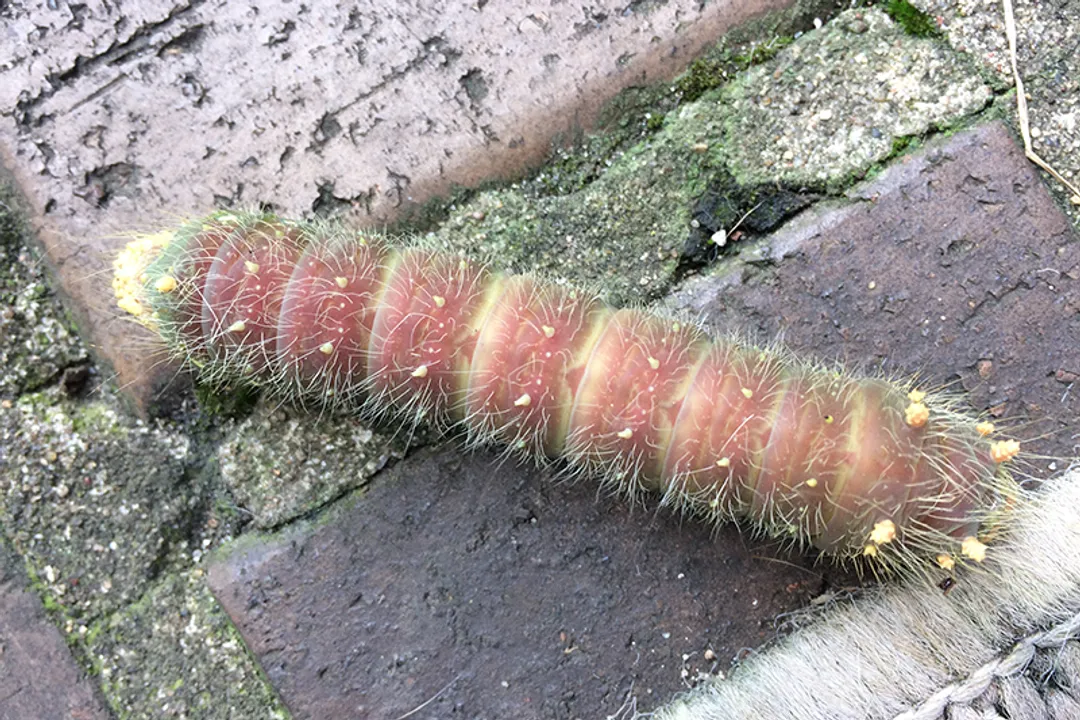
The caterpillar stage is where most of the public concern arises because of its distinctive, somewhat intimidating appearance. Imperial Moth caterpillars are known for their variability, often appearing in green, reddish, or brown color morphs. [2][5] Regardless of the primary body color, they are covered in numerous spiky hairs, technically called setae. [2][5] These prominent projections are the main reason people question their toxicity. [1] While they look formidable, these hairs typically cause irritation upon direct, rough contact rather than delivering a potent chemical defense. [1][3] If you encounter one, understanding that its defense is physical rather than chemical is key to safe observation.
# Adult Form
Once the caterpillar has completed its feeding phase and pupated, it transforms into the magnificent adult Imperial Moth. [2] These moths are known for their substantial size, making them one of the larger moth species encountered in their range. [2] The adults typically exhibit a yellowish ground color overlaid with patches of purplish-brown markings. [2] It is worth noting that while they are often confused with other large species, the Imperial Moth itself is not known to cause harm to people, as its primary focus is reproduction, not defense against human contact. [4][7]
# Ecological Niche
Understanding where these insects live and what they eat helps place their potential risk into perspective. Imperial Moths are distributed across eastern North America. [2] Their larvae are generalist feeders, happily consuming foliage from a broad assortment of trees and shrubs. [5] Common host plants include maples, oaks, sweetgum, and pines. [2][5] Because they feed on such a wide variety of common yard and forest trees, finding an Imperial caterpillar is not unusual in many parts of the eastern United States. [5] This widespread presence reinforces the need for accurate identification rather than fear, as they are a normal part of the local ecosystem. [2]
# Distinguishing Irritation Versus Toxin
It is easy for the casual observer to lump any spiky caterpillar into the "dangerous" category. However, there is a critical differentiation between being irritating and being poisonous or venomous. A poisonous organism contains toxins that cause harm if ingested or absorbed through the skin passively; a venomous organism actively injects a substance, usually via a sting or specialized spine. The Imperial Moth caterpillar seems to fall into the first category only mildly, if at all, with its spiky hairs posing a mechanical nuisance. [1] In contrast, species like the Saddleback moth caterpillar or the Io moth caterpillar carry actual venom in their spines that cause significant pain or welts. [3] An Imperial, when brushed against, might leave behind a few irritating spines, much like touching a stiff, prickly brush, but it lacks the serious chemical payload associated with truly dangerous lepidopteran larvae. [1][5]
If you are working in a yard where these caterpillars are known to feed, understanding this distinction can temper unnecessary alarm. While it is never wise to handle unknown insects, you can observe the Imperial caterpillar with less concern for severe adverse reactions compared to true stinging varieties. [4] For instance, if one is found crawling across a deck surface where children might step, the main concern should be avoiding the physical poking from the setae, not fear of systemic poisoning. [1]
# Safe Observation Practices
For naturalists and gardeners who wish to move these caterpillars to a safer location away from foot traffic or pets, direct handling is strongly discouraged simply to prevent minor skin reactions from those spiky projections. [1] A practical approach involves using tools rather than hands. Instead of trying to pick it up, gently guide the caterpillar onto a piece of stiff cardboard or into a container using the edge of a trowel or a sturdy twig. [3] The goal here is gentle nudging toward safety, minimizing any pressure that might embed the spines into your skin. Once safely relocated to a nearby shrub or tree, you can allow it to continue its development unmolested. This simple procedure respects the insect's defense mechanism while ensuring no one comes to harm from accidental contact with its exterior armature. [1] Remembering that these insects are essential parts of the food web—providing sustenance for birds and other predators—encourages respectful distance over eradication.
#Videos
Huge caterpillar will it sting. The Imperial Moth . - YouTube
Related Questions
#Citations
Are Imperial Caterpillars Poisonous? : r/moths - Reddit
Harmful Effects of Imperial Moth - Picture Insect
What to do if you encounter an imperial moth caterpillar? - Facebook
Imperial Moth Insect Facts - Eacles imperialis - A-Z Animals
Stinging Caterpillars
Huge caterpillar will it sting. The Imperial Moth . - YouTube
Can moths kill you? - Quora
Are Moths Dangerous? - Ehrlich Pest Control
Are Imperial Moth Caterpillars Poisonous? Debunking The Myths