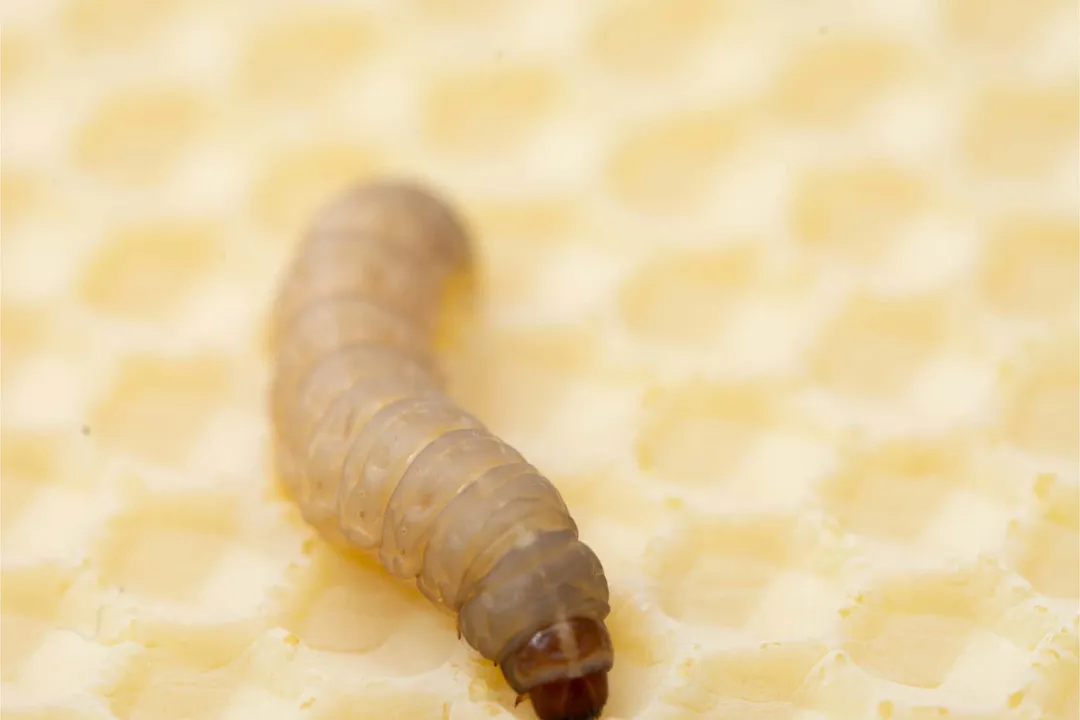
How does the primary biological goal of the adult moth differ from the larval stage?
The adult focuses on reproduction, relying on accumulated larval energy
There is a distinct biological divergence in purpose between the two main life stages of the wax moth. The larval stage, the waxworm, is characterized by its intense focus on consumption—acting as a dedicated consumer and recycler of complex hive materials like beeswax and stored food reserves—with the primary goal being growth and the accumulation of necessary energy reserves. Conversely, once metamorphosis is complete, the adult moth’s primary biological imperative shifts entirely toward reproduction. The adult relies almost exclusively on the substantial energy reserves accumulated during its lengthy larval feeding period, with its only immediate physiological need being hydration to facilitate mating and egg laying.