Wax Moth Diet
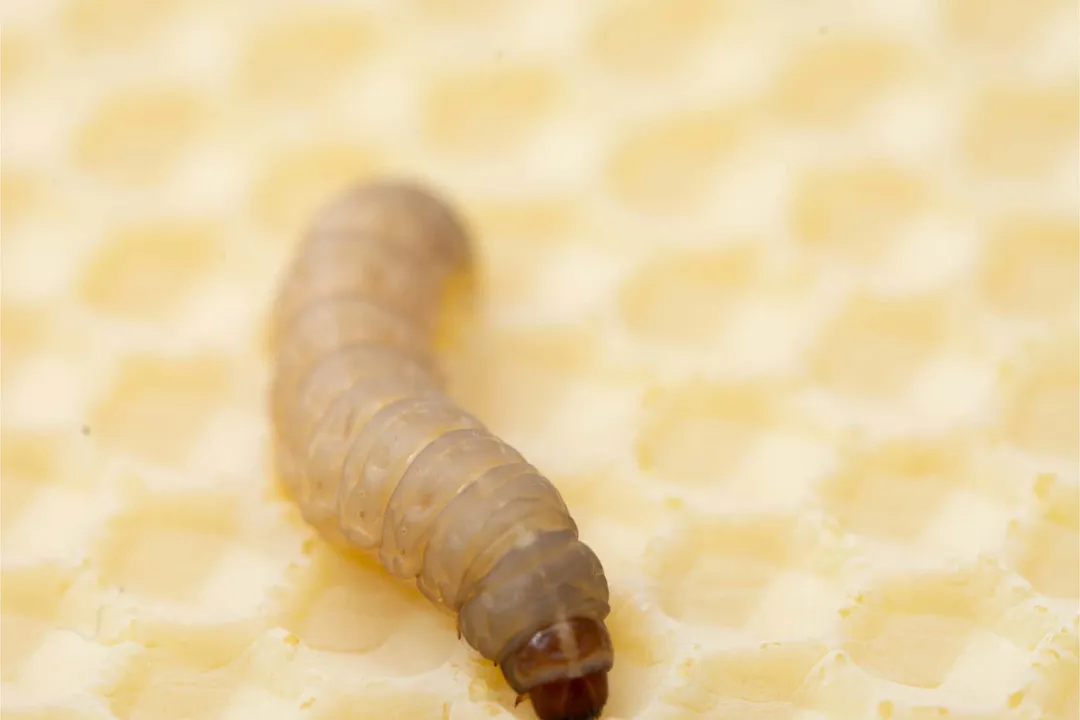
The wax moth, particularly the greater wax moth (Galleria mellonella), occupies a unique and often problematic niche in the world of insects, simultaneously being a significant nuisance to beekeepers and a common food source for reptile owners. [1][2][9] Understanding what these creatures consume is central to managing them, whether the goal is eradication from a honey store or successful rearing for pet maintenance. [6] The diet differs markedly between the larval stage—the familiar white, grub-like waxworm—and the delicate, flying adult moth. [4][10]
# Larval Sustenance
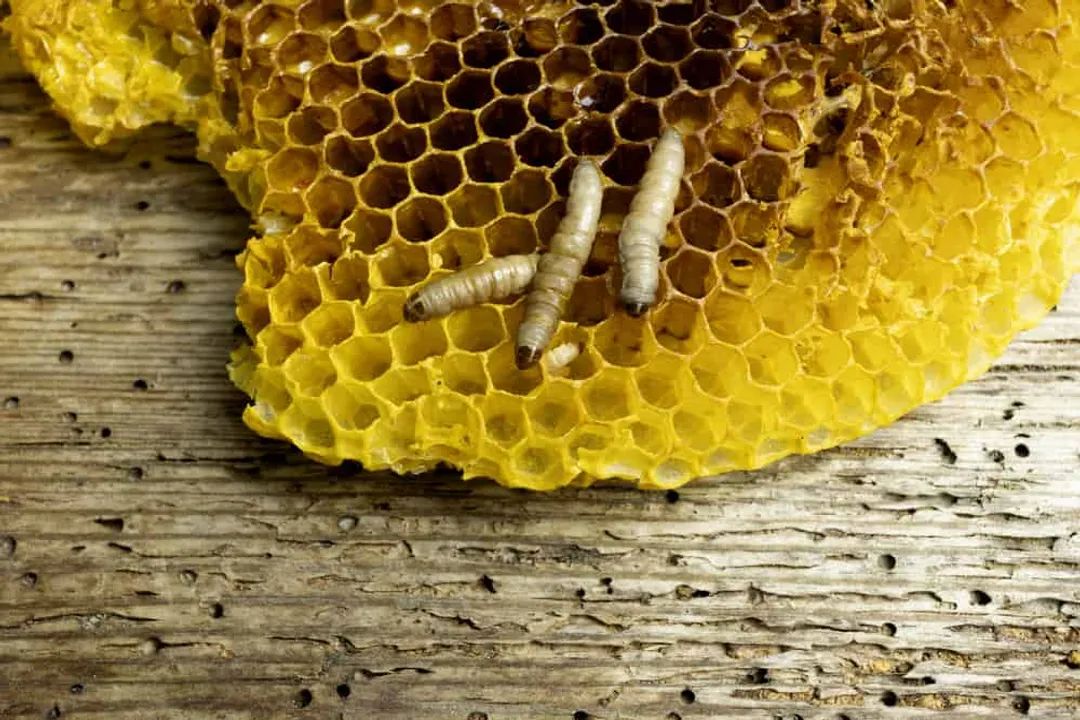
The feeding habits of the wax moth larvae are what establish their reputation as agricultural pests. [2][8] In their natural environment, these caterpillars are entirely dependent on the resources contained within a honeybee colony’s abandoned or weakened comb. [1][3] Their primary diet consists of three core components that they process directly from the hive structure: beeswax, stored honey, and pollen. [2][9][10]
The consumption of the beeswax itself is perhaps the most telling aspect of their specialization. [6] Larvae possess enzymes that allow them to break down the complex esters and long-chain fatty acids that constitute beeswax, a capability few other insects possess. [1][3] This process of tunneling through and consuming the comb structure is what causes extensive damage to stored frames and equipment. [6][8] Beyond the structural wax, they actively seek out the stored food reserves. Honey, providing necessary sugars, and pollen, offering essential proteins and lipids for growth, are consumed alongside the wax. [3][9]
When kept in captivity, especially for the pet trade, this natural requirement dictates the substrate used for their mass rearing. [9] Successful culturing relies on mimicking this resource-rich environment. Commercial breeders provide a specialized medium formulated to contain the necessary beeswax, honey, and pollen derivatives to ensure the worms grow large and healthy for their intended purpose as feeder insects. [9] A colony needs a steady supply of these materials to progress through the stages, transforming from small larvae into pupae and eventually into adult moths. [4]
# Hive Infestation
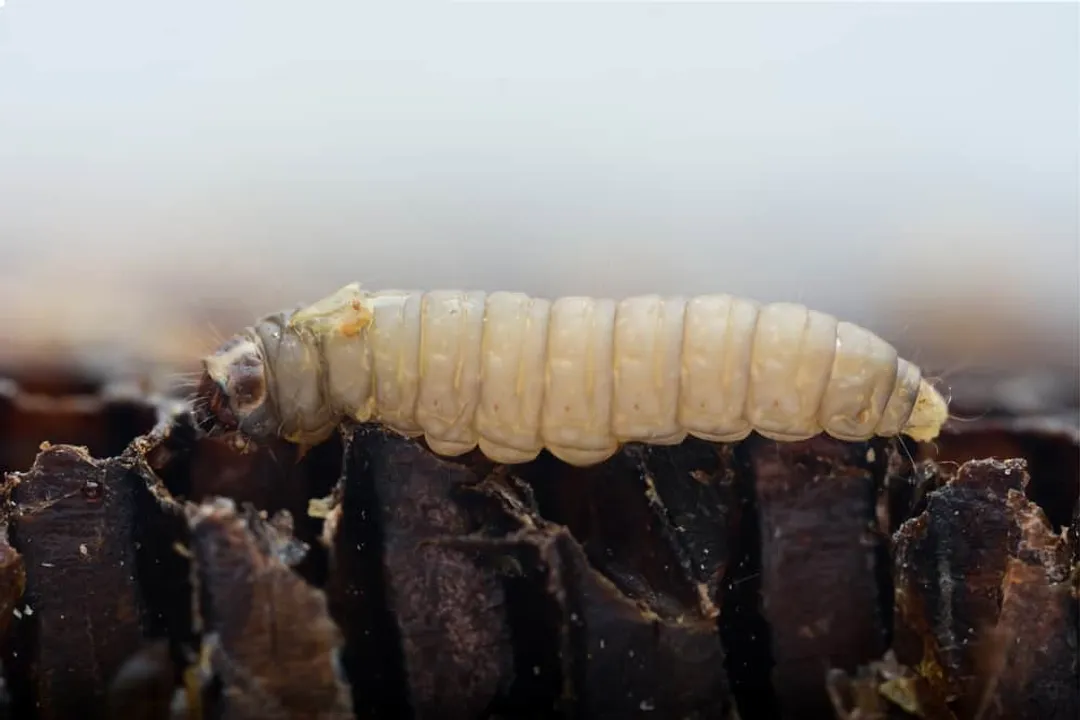
The destructive capacity of the wax moth is directly proportional to the volume of food it can access. [1][6] In the context of beekeeping, the presence of the greater wax moth signals a potential crisis for stored honeycombs. [8] When larvae infest a hive, they don't just eat; they create extensive webbing throughout the comb structure as they develop. [1] This webbing can cause stored combs to collapse, rendering them unusable for future honey production or colony rearing. [6]
While a healthy, populous colony can generally defend itself against minor wax moth intrusion, infestations frequently take hold in weak colonies or in stored equipment where the bees cannot defend the material. [6][8] The larvae prefer dark, undisturbed areas where the comb is rich in pollen and honey, which is why overwintered or stored supers are particularly vulnerable to damage from these voracious feeders. [1][3] The economic impact is tied to the destruction of these valuable stored hive products. [6]
# Adult Requirements
The dietary needs shift dramatically once the larva completes metamorphosis into the adult moth. [10] While the worm is built to consume large quantities of waxy substrate and stored nutrients, the adult stage appears to have a minimal, or perhaps non-existent, requirement for solid food intake. [5][10] Several observations suggest that the adult moth is primarily focused on reproduction, having accumulated all necessary energy reserves during its larval feeding period. [6]
One report indicates that the adult moth stage does not feed at all. [10] However, a contrast exists where other sources note that adult moths require both food and water to successfully mate and lay eggs. [6] This discrepancy often boils down to the required type of intake. While they may not process beeswax or pollen, access to moisture is consistently cited as critical for adult survival. [5][9][10] Without water, the moths can quickly desiccate, halting the life cycle regardless of how well the larvae were fed. [10]
This difference in requirements between stages presents an interesting biological split: the larva is a dedicated consumer and recycler of complex hive materials, while the adult is a short-lived reproductive unit relying on stored energy, with hydration being its only immediate need for sustenance. [10]
| Life Stage | Primary Ingested Material | Primary Biological Goal |
|---|---|---|
| Larva (Waxworm) | Beeswax, Honey, Pollen [2][9] | Growth, Energy Accumulation [1] |
| Adult Moth | Likely none (solid food) [5][10] | Reproduction, Hydration [6][10] |
For anyone maintaining wax moths outside of the beehive setting, such as a hobbyist breeding them for pet food, managing this dietary difference is key to maximizing the population. [4][7] You feed the larvae heavily to get large worms, but then you must switch focus entirely to providing water—perhaps a soaked sponge or damp cotton ball—for the emerging adults to ensure they survive long enough to lay the next generation of eggs. [6][10]
# Rearing Material
When culturing waxworms, the focus must remain on recreating the nutritional profile the larvae seek naturally, even if the physical structure of the comb is absent. [9] The challenge in artificial rearing is balancing the high-fat, high-protein requirements derived from the pollen and honey with the necessary base material of beeswax. [1]
A successful artificial diet for waxworms must be meticulously prepared. While the natural source is the comb, successful artificial media often incorporate purified beeswax mixed with ingredients like cornmeal, honey, and perhaps brewer’s yeast to ensure the larvae receive adequate protein and carbohydrates alongside their primary wax component. [9] The quality of the initial protein source, derived from the pollen component they consume, is what determines the final nutritional value of the worm when fed to reptiles or spiders. [7][9] A worm raised purely on simple sugars might gain size but lack the necessary lipid profile that makes them a desirable feeder insect in the first place. [9]
Considering the differing nutritional outputs, anyone feeding these worms to captive animals, like lizards or arachnids, should seek out worms raised on high-quality, pollen-inclusive diets. [9] This ensures the feeder insect itself is nutritionally dense, transferring those vital fatty acids derived from the original bee food components to the predator. [2] Simply providing a box of worms that have been allowed to munch on old, stale sugar water won't offer the same value as worms that have successfully processed a medium containing the full spectrum of hive materials—wax, honey, and pollen. [9] This distinction means that the quality of the feeder insect directly reflects the quality and complexity of the worm's diet, even though the adult moth barely registers a dietary need. [10]
Related Questions
#Citations
Wax moth - Bee Aware
What Do Waxworms Eat? - A-Z Animals
Optimization of a Diet for the Greater Wax Moth (Lepidoptera
how do i help them turn into a wax moth? ive had them in the fridge ...
What do wax moths eat? Nothing? - Chameleon Forums
[PDF] Wax Moth
Do waxmoths eat wax? Or are they after the pollen? - Facebook
Wax moth a beekeeping pest - Agriculture Victoria
What Do Waxworms Eat? | DubiaRoaches.com
Dietary variations and their comparison with natural diet on the ...