Which wax moth species poses the higher structural risk to woodenware components like hive walls?
Answer
Greater wax moth (Galleria mellonella)
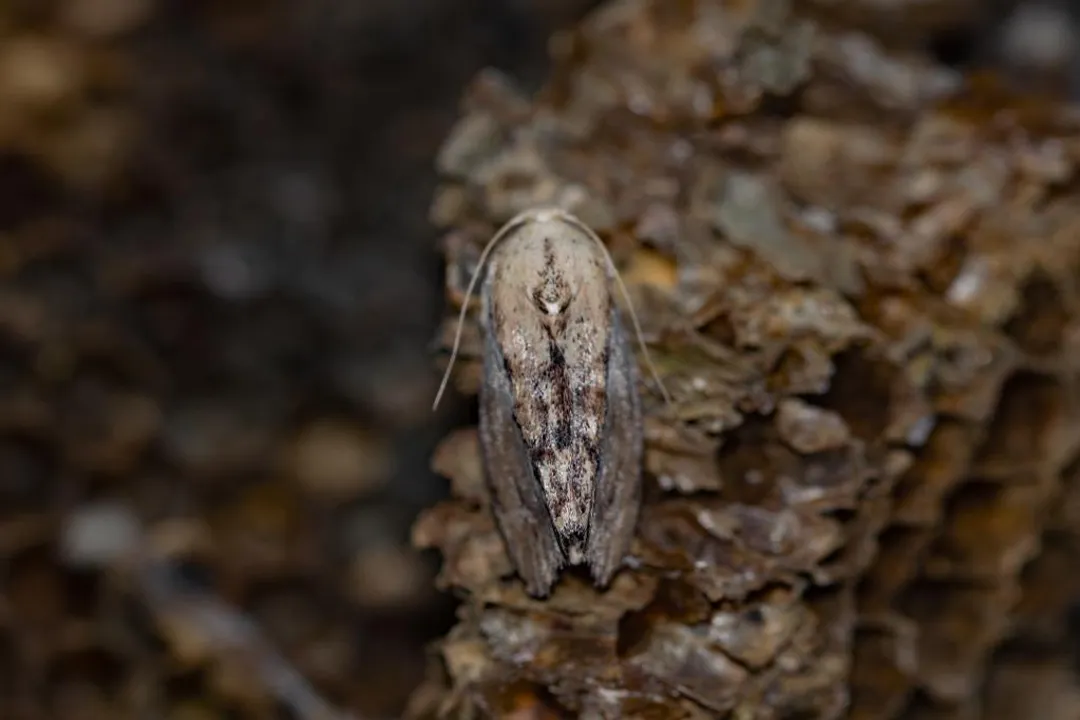
While both the greater wax moth and the lesser wax moth consume beeswax comb, the greater wax moth (*G. mellonella*) is widely recognized as the more destructive of the two species generally encountered by beekeepers. A key differentiator in their impact relates to structural damage; the larvae of the greater wax moth are capable of spinning tough cocoons cemented directly into the wooden components of the hive structure itself. This behavior results in permanent physical damage to woodenware, a level of structural destruction that the lesser wax moth larvae, which are reportedly not found in actively occupied comb, do not inflict to the same extent.
Related Questions
Where was the greater wax moth, Galleria mellonella, first documented as a pest?What temperature range represents the optimal developmental temperatures for Galleria mellonella?Which wax moth species poses the higher structural risk to woodenware components like hive walls?In which location do wax moths generally cause their most catastrophic damage?What food source preference dictates where larvae cause significant damage in stored supers?What is a fundamental preventative care measure to protect active colonies from adult female moths?How does the climate in the Southern U.S. influence the speed of wax moth infestation development?What is the reported size range for egg clusters commonly noted in India?What consequence results from larvae spinning cocoons into wooden hive components?If a beekeeper finds active wax moth larvae destroying comb in a living hive, what is the primary issue to inspect?