Do Belgian Malinois need a special diet?
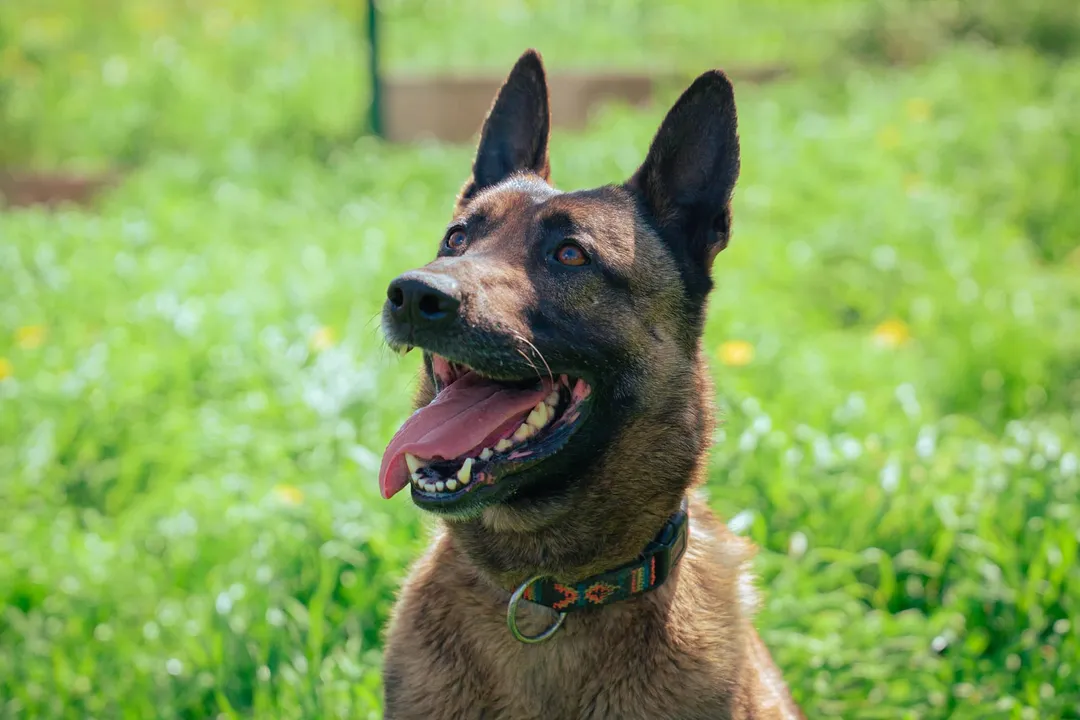
The Belgian Malinois is an intense, athletic dog whose reputation for drive and work ethic precedes them. Whether they are competing in canine sports, performing police duty, or simply acting as the highly engaged companion to an active family, their output demands quality fuel. This naturally raises the question of whether the standard fare is sufficient, or if this breed truly requires a special diet to match their unique physical and mental capabilities. The difference between a dog that is merely surviving and one that is thriving often boils down to the bio-availability of the nutrients they consume.
# Breed Demands
Malinois are classified as facultative carnivores; their bodies are biologically structured around meat as the primary staple, even if they can technically subsist on other food types. Their high drive means they burn through nutrients quickly, necessitating nutrition that supports performance and protects long-term structure.
This need for superior nutrition becomes critical when considering breed-specific health risks. The breed is prone to joint issues like hip and elbow dysplasia, which can be exacerbated by poor growth nutrition or excess strain. Furthermore, their deep chests put them at risk for Gastric Dilatation-Volvulus, or bloat. For some lines, there is also a predisposition to neurological conditions like idiopathic epilepsy. A diet that supports lean muscle, reduces systemic inflammation, and promotes gut stability can serve as a preventative cornerstone against these predispositions.
# Core Food Philosophy
The debate in canine nutrition often centers on processed versus whole foods. Ultra-processed foods, such as standard kibble, undergo high-heat manufacturing that can deplete nutrients and denature proteins. Worse, many commercial formulas rely on refined carbohydrates—grains, legumes, and starchy fillers—which can comprise over half the recipe simply because they are cheap bulking agents, not because they serve the dog’s natural dietary needs. These ingredients can contribute to inflammation, low energy, and various chronic health issues.
In contrast, a species-appropriate diet—often represented by a raw or fresh approach—mirrors the nutrition dogs evolved to consume, focusing on high-quality animal protein, healthy fats (especially omega-rich animal fats), bone for minerals, nutrient-dense offal (like liver), and a small complement of fruits and vegetables. This whole-food approach provides nutrients in their most bioavailable form, making them easier for the Malinois body to absorb and utilize.
However, the path to optimal nutrition is not strictly binary. Some owners find that a carefully modified approach using high-quality, low-carbohydrate commercial kibble, heavily supplemented with fresh components, offers a necessary balance of cost, convenience, and quality. This hybrid approach aims to shift the macronutrient balance away from the typical commercial ratio—often around 25% protein, 32% fat, and 43% carbohydrates—closer to the speculated ancestral diet of nearly 50% protein and 44% fat. The key takeaway across all high-quality approaches is the necessity of minimizing refined carbohydrates and inflammatory additives.

# Feeding Ratios
Determining how much to feed shifts based on the dog's role. For those committed to a complete, balanced raw diet, guidelines provide a starting point based on the dog’s ideal body weight.
| Life Stage / Activity | Daily Feeding Guideline (as % of Body Weight) | Focus |
|---|---|---|
| Adult Maintenance | 2–3% | Maintaining ideal weight |
| Highly Active/Working | May exceed 3% | Fueling high energy output |
| Weight Loss Target | Closer to 2% | Reducing caloric load |
| Puppy (8 Weeks) | 8–10% | Rapid, supported growth |
| Puppy (Reducing) | Gradually down to 2–3% by adulthood | Protecting developing joints |
For the intensely active Malinois, the top end of the adult range (3%) is often the baseline, not the ceiling. An owner managing a dog in rigorous daily protection work might find their dog needs closer to 3.5% or even 4% of their body weight daily in a raw diet to maintain lean muscle and energy without dropping weight. This suggests that for a working Malinois, portion control is a dynamic adjustment based on the intensity of the past few days, not just a static number on a chart. Adjusting intake based on observable energy dips or gains, rather than just the scale, helps ensure the dog's energy demands are met exactly when required.
# Puppy Fueling
The period from puppyhood through young adulthood is critical for a Malinois, as improper growth nutrition can lay the groundwork for lifelong joint issues. Puppies require significantly more calories relative to their size to support rapid development. A very young puppy (around 7–10 weeks) may need between 8% to 10% of their current body weight in food daily, a massive amount compared to the 2–3% required by an adult. This percentage must be carefully reduced over their first 1.5 to 2 years of life as they mature toward their target height and weight. Overfeeding a puppy, regardless of the food type, is a significant risk that can compromise the development of their growing bones and joints.
# Targeted Support
When managing specific health concerns common to the breed, the diet can be adjusted for targeted support.
For joint health, maintaining an ideal weight is paramount to reduce mechanical strain. Beyond weight management, incorporating foods rich in joint-supporting minerals like calcium, phosphorus, magnesium, and manganese—found naturally in ground bone and organ meats—is beneficial. Additions like bone broth can further support mobility.
When addressing epilepsy or seizures, the focus shifts to reducing the body’s overall inflammatory load and supporting neurological function. This often means ensuring the diet is entirely free of potential triggers like grains or soy, while increasing intake of nutrients like B vitamins, magnesium, and DHA from sources such as eggs or algae oils.
Finally, mitigating bloat risk strongly influences the method of feeding, even if the content remains the same. Avoiding ultra-processed, dry kibble that expands once ingested is often recommended, favoring moisture-rich, species-appropriate fresh food. Furthermore, owners should always serve multiple smaller meals rather than one large one, and enforce a mandatory rest period of 60 to 90 minutes both before and after exercise near meal times.
An interesting strategy to reduce the speed of eating—which also contributes to gulping air—involves managing meal anticipation itself. Some experienced owners intentionally vary the exact time of daily feedings. If a dog becomes "robotized" to expect food at precisely 10:00 AM, the anticipation can lead to an overproduction of bile, potentially causing vomiting of bile when the stomach is empty. By keeping the feeding time approximate—say, between 9:30 AM and 11:00 AM—the dog learns to remain calmer at the expected time, fostering a more relaxed digestive process. This approach tackles the high-drive nature of the Malinois directly through feeding management.
# Finalizing the Bowl
Ultimately, the Belgian Malinois needs a diet that is high in quality, digestible protein, rich in healthy fats, and low in processed carbohydrates and fillers. Whether this is achieved through a strictly raw, fully supplemented kibble, or a combination depends on the owner’s budget, time commitment, and the dog’s individual response. Because their health ripples across every aspect of their life—from coat shine to mental clarity—making an informed decision about their food is non-negotiable for any owner seeking to keep their highly capable partner functioning at their peak performance level for as long as possible.
Related Questions
#Citations
What's the Best Dog Food for a Belgian Malinois? - ProDog Raw
Nutrition Guide for Belgian Malinois - Huntaway
Feeding - Earthaven Malinois