Where are perfectly preserved, complete specimens of the Woolly Rhino often unearthed?
Answer
In permafrost regions, offering intact skin and hair.
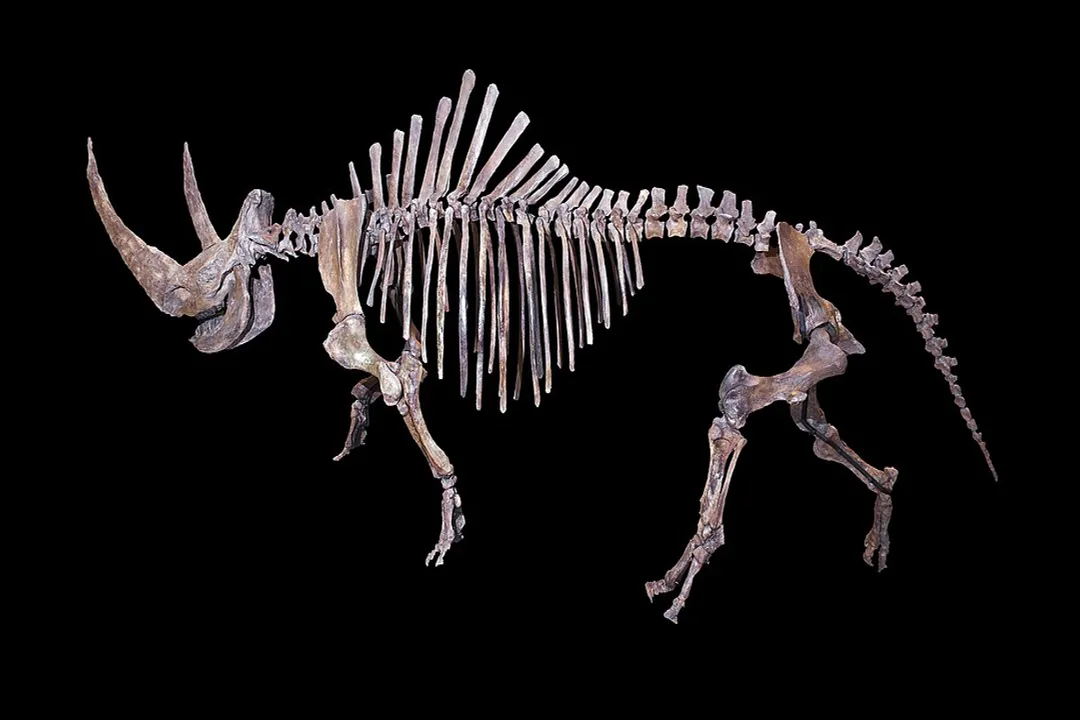
A significant portion of current understanding regarding the anatomy and physical appearance of the Woolly Rhinoceros comes from exceptionally well-preserved remains found in specific geological conditions. Complete specimens, including soft tissues like skin, hair, and even internal organs, have been unearthed from permafrost regions, particularly in Siberia or the far north of Europe. This natural deep-freezing process halted decomposition, providing researchers with a direct, tangible look at external features like fur density and color, which greatly aids in reconstructing the animal's life in cold climates.
Related Questions
What is the scientific designation for the Woolly Rhinoceros?What characterized the insulating coat of the Woolly Rhino?What function was the exceptionally long front horn likely used for?What feeding behavior characterized the diet of *Coelodonta antiquitatis*?Which geographical regions defined the vast distribution of the Woolly Rhino?What was the preferred ecosystem inhabited by the Woolly Rhinoceros?Approximately how tall did the Woolly Rhino stand at the shoulder?What major environmental shift caused the Woolly Rhino's primary feeding ground to recede?How was the primary nasal horn of *Coelodonta antiquitatis* typically proportioned or shaped?Where are perfectly preserved, complete specimens of the Woolly Rhino often unearthed?