What major environmental shift caused the Woolly Rhino's primary feeding ground to recede?
Answer
The warming trend replacing the mammoth steppe with forests and wetlands.
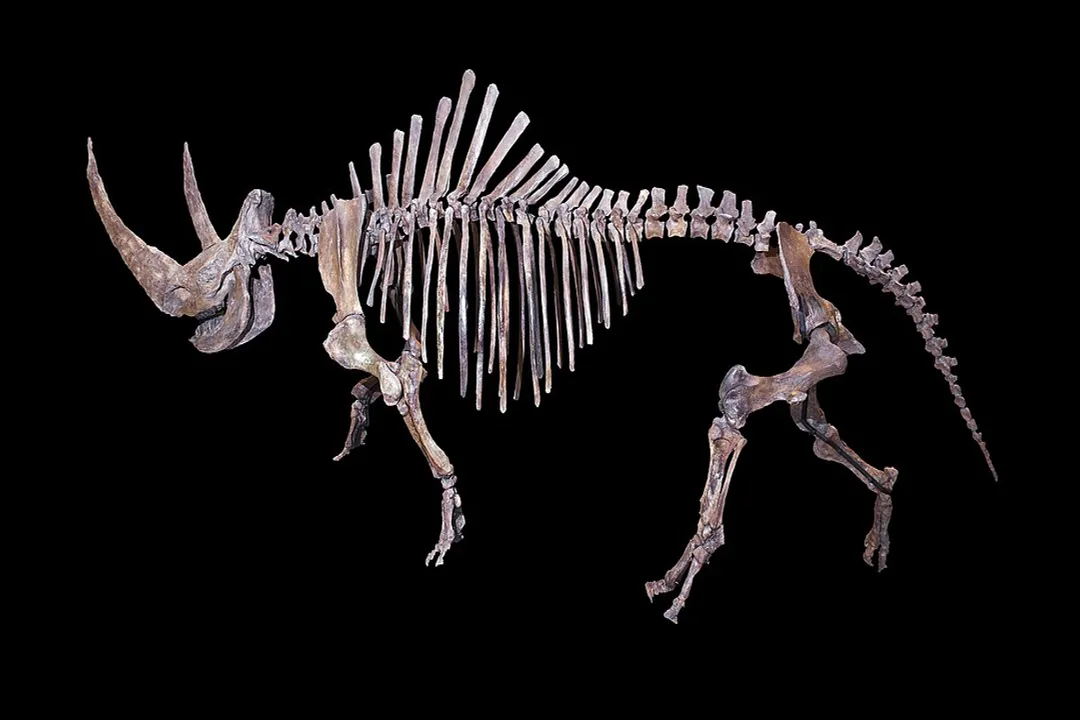
The ultimate disappearance of the Woolly Rhinoceros was closely tied to the climatic transition from the Pleistocene to the Holocene epoch, marked by the general retreat of glaciers and global warming. This warming trend fundamentally altered the landscape, causing the recession of the vast, dry mammoth steppe—the specialized grassland habitat the rhinos relied upon for grazing. As the steppe diminished, it was replaced by denser forests and wetter wetlands, environments poorly suited to the grazing habits and large body size of *Coelodonta antiquitatis*, thereby starving populations through habitat loss.
Related Questions
What is the scientific designation for the Woolly Rhinoceros?What characterized the insulating coat of the Woolly Rhino?What function was the exceptionally long front horn likely used for?What feeding behavior characterized the diet of *Coelodonta antiquitatis*?Which geographical regions defined the vast distribution of the Woolly Rhino?What was the preferred ecosystem inhabited by the Woolly Rhinoceros?Approximately how tall did the Woolly Rhino stand at the shoulder?What major environmental shift caused the Woolly Rhino's primary feeding ground to recede?How was the primary nasal horn of *Coelodonta antiquitatis* typically proportioned or shaped?Where are perfectly preserved, complete specimens of the Woolly Rhino often unearthed?