Woolly Rhinoceros Evolution
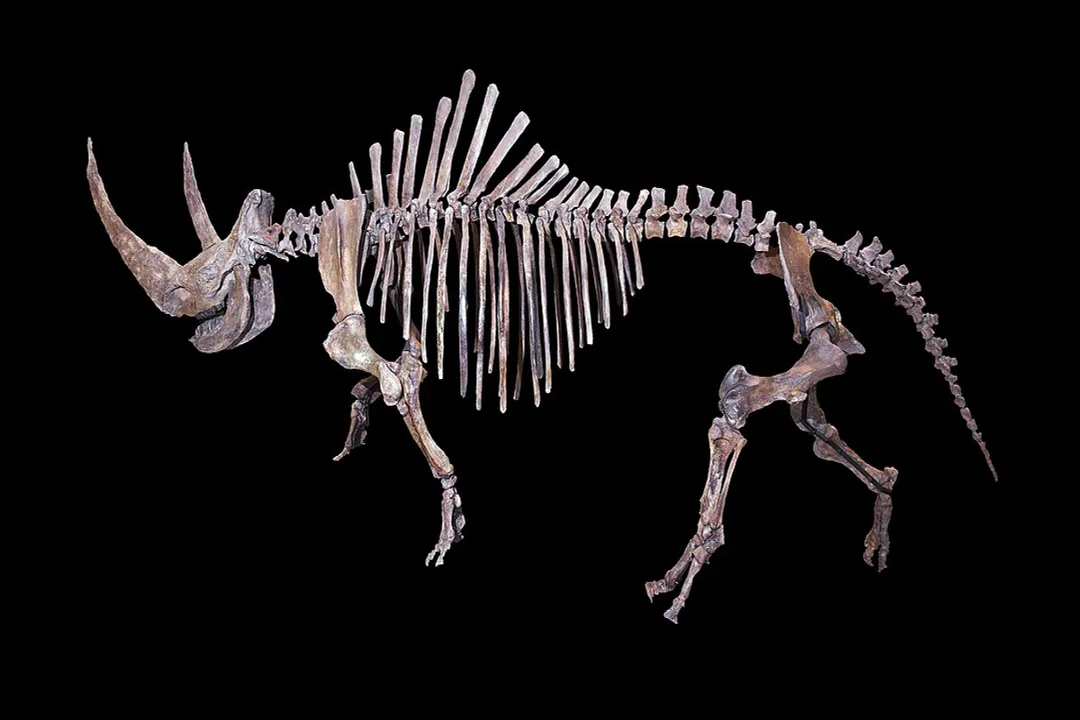
The shaggy giants of the Pleistocene, the Woolly Rhinoceros (Coelodonta antiquitatis), remain one of the most iconic images of the Ice Age megafauna, often depicted alongside mammoths and saber-toothed cats. [1][6] These creatures were not merely large; they were supremely adapted to the harsh, cold environments that characterized much of Eurasia for hundreds of thousands of years. [1] Tracing their evolution reveals a story of successful specialization, powerful adaptation, and, ultimately, climatic mismatch. [6]
# Naming and Form**
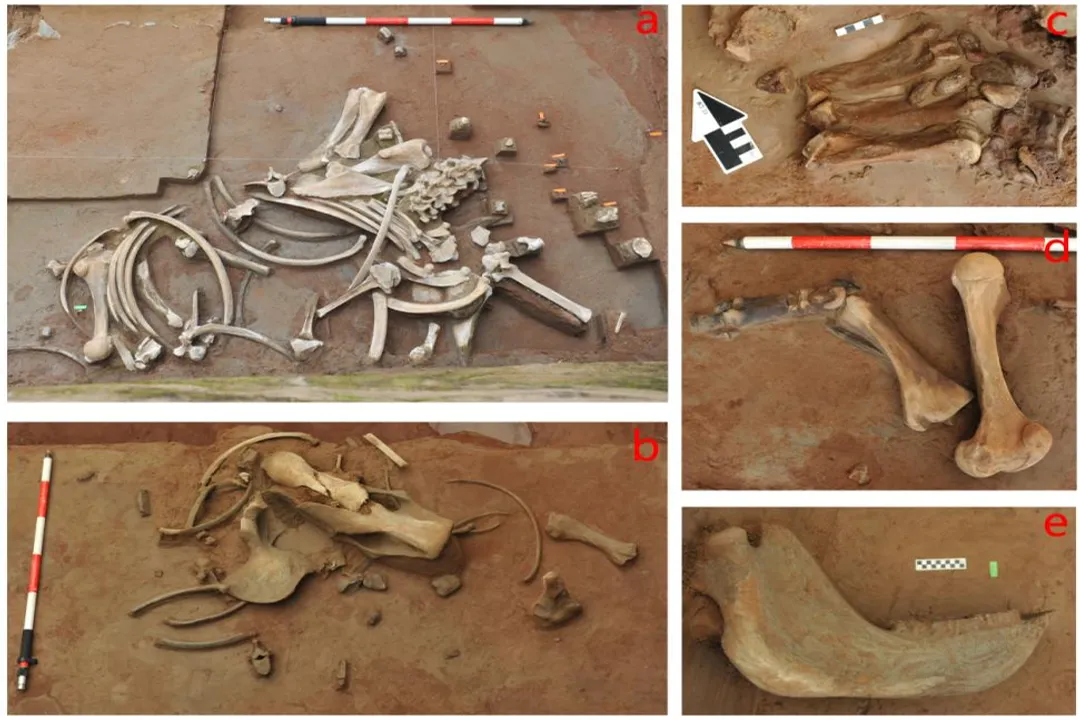
Scientifically, the Woolly Rhino belongs to the genus Coelodonta, a group that diverged from other rhinoceros lines long ago. [4] The species name, antiquitatis, hints at its deep antiquity. [1] Morphologically, they were distinct from modern rhinos. While contemporary to the Woolly Mammoth, their lineage separated from the ancestors of modern rhinos, such as the Sumatran or Javan rhinos, much earlier than one might assume. [8]
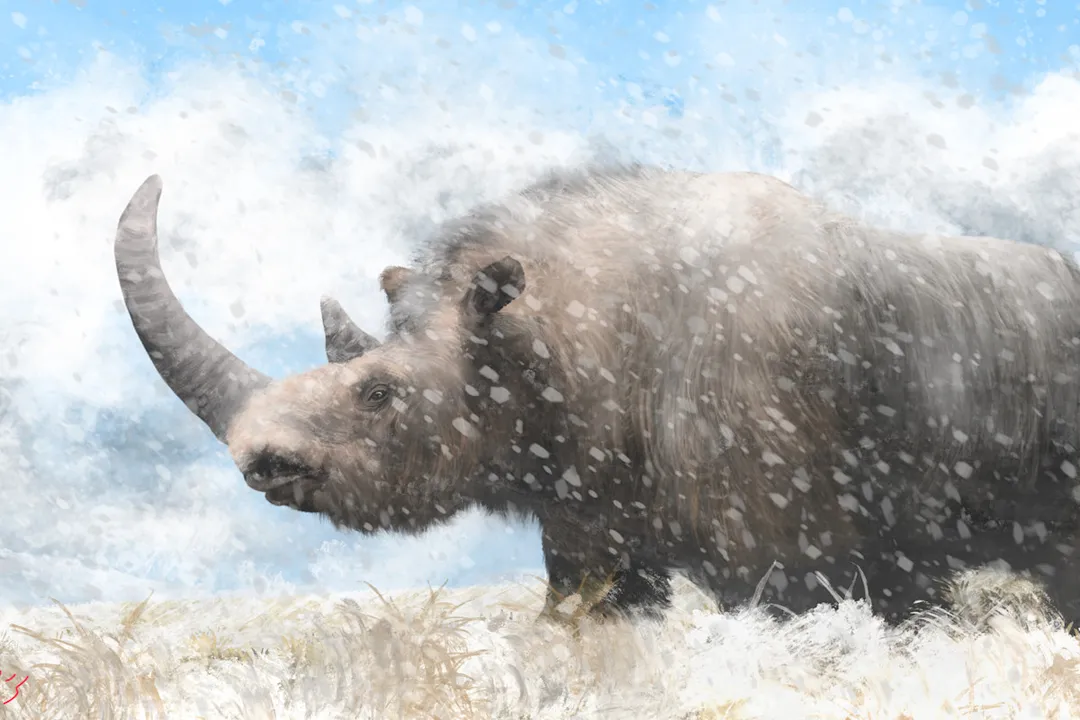
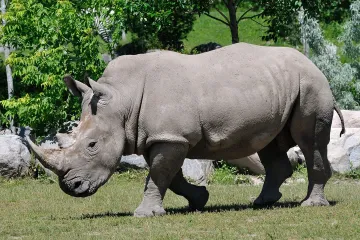
These animals were impressively large, often comparable in size to the modern White Rhinoceros, though their body proportions were different. [1] Perhaps the most striking features were their massive horns and their insulation. They possessed a thick coat of long, shaggy hair, a feature that gave them their common name and was crucial for surviving the frigid mammoth steppe. [1][6] Furthermore, skeletal analysis shows adaptations around the nasal region, where the horns—one large forward-curving frontal horn and a smaller nasal horn—anchored. [1] The sheer size of the primary horn, sometimes exceeding one meter in length, suggests it served multiple functions, perhaps for defense, display, or most likely, sweeping snow aside to reach the sparse vegetation beneath during the long winters. [6]
# Lineage Divergence
Understanding where the Woolly Rhino fits in the broader family tree requires looking backward in time, a process greatly aided by recent ancient DNA (aDNA) sequencing. [4] The evolutionary separation of the Coelodonta group from other rhinoceros clades is an ancient event, tying them to a lineage that colonized Asia first. [8] Within the Coelodonta genus itself, there was a progression of species adapted to different Ice Age environments. [4]
Ancient DNA analysis has helped clarify the transition from earlier relatives to the definitive Woolly Rhino we recognize from cave paintings and frozen remains. [5] For instance, studies investigating early European specimens have mapped the mitogenomes, confirming genetic relationships across time and geography. [5] One key evolutionary step involved the transition from species like the Steppe Rhino (Coelodonta fossor or related ancestral forms) to C. antiquitatis. [4] This transition was marked by increasing adaptation to colder, drier steppe environments rather than the warmer grasslands where earlier forms might have thrived. [9] The genetic data confirms that the Woolly Rhino was well-established across Eurasia before the peak of the Last Glacial Maximum. [5]
It is interesting to consider the timing of these speciation events relative to major global climate oscillations. The successful colonization of the European continent by this lineage, as evidenced by specimens dating back to near the beginning of the Pleistocene, implies a successful dispersal across land bridges or through established corridors when environmental conditions were temporarily favorable for movement. [5] The genetic structure within the Coelodonta genus itself shows distinct phases of expansion and contraction, mirroring the waxing and waning of continental ice sheets. [9]
# Geographic Range
The Woolly Rhino was an incredibly widespread species during its peak, inhabiting the vast, open grasslands known as the mammoth steppe that stretched across much of northern Eurasia. [6] Its known range extended from Western Europe, through Siberia, and into parts of East Asia. [1] This distribution highlights their generalist approach to habitat type—they needed the steppe—even though they were specialist climate adapters. [6]
Their presence is heavily documented in Pleistocene fossil beds spanning from Britain to the Bering Strait region. [1] The distribution wasn't uniform, however. Evidence suggests a continuous presence in Siberia for a much longer duration than in Western Europe, where their appearance and disappearance cycles seem more closely tied to the glacial advances and retreats. [6][9]
If we map the known fossil records against the major glacial periods, we can see the range contracting and expanding. For example, during the coldest periods, their range likely extended southward in Europe, pushed by advancing ice sheets, seeking refuge in southern European refugia when ice covered the north. [1]
# Genetic Adaptation and Bottlenecks
The aDNA work provides more than just a family tree; it offers a timeline of population health. [4] By analyzing genetic diversity across samples spanning tens of thousands of years, researchers can estimate population size fluctuations. [8] While the Woolly Rhino successfully adapted physically to the cold, the genetic record sometimes hints at periods of stress.
Observing the genetic uniformity in later populations, even before the final extinction event, suggests that the species likely experienced significant population bottlenecks. When a species has an extremely long tenure in a highly variable environment, occasional dips in population size due to extreme cold or changes in vegetation can leave a permanent mark on the genome, reducing genetic variation. [9] This reduction in effective population size means the remaining individuals carry less overall diversity to draw upon when facing new challenges, such as the warming trend that ultimately signaled their end. [8]
When thinking about the long-term success of these megafauna, we often focus on the dramatic final event, but the genetic data forces a consideration of cumulative stress. It suggests that even if the climate had remained stable for another ten thousand years, a population with severely depleted genetic resources might have struggled to adapt to minor future environmental perturbations, making them intrinsically less resilient than a more genetically diverse contemporary like the Woolly Mammoth, which perhaps utilized a broader range of forage. [4]
# Climate and Survival
The defining characteristic of the Woolly Rhino was its adaptation to the Pleistocene cold, thriving in the dry, cold, windy mammoth steppe ecosystem. [6] This ecosystem was defined by low humidity and high productivity of grasses and sedges, which formed the bulk of the rhino's diet. [1][6]
Their physical features were a direct response to this biome. The dense underfur and long outer coat provided insulation, while the specialized dentition allowed them to efficiently process the abrasive, low-quality steppe forage. [1] Their massive, broad teeth were perfectly shaped for grazing, differentiating them ecologically from the browsing characteristics seen in some other extinct and extant rhino species. [6]
An interesting ecological consideration arises when contrasting their needs with those of other megafauna. While the Mammoth could shift its diet between grazing and browsing depending on the local environment—a flexibility evident in its broader geographic tolerance—the Woolly Rhino appears far more specialized as a grazer. [6] This specialization meant that as the climate warmed toward the end of the Pleistocene, the grassy steppe began to convert into shadier, wetter woodlands and denser tundra. [9] This habitat shift directly removed the Woolly Rhino’s primary food source, whereas other large herbivores, like horses or mammoths, might have found sufficient alternative forage in the emerging vegetation structure. The rhino’s evolutionary success in mastering one environment led directly to its inability to adapt when that environment vanished. [6]
# The Final Retreat
The disappearance of Coelodonta antiquitatis is generally placed around 10,000 years ago, marking the end of the Pleistocene megafauna in many regions. [1] However, the extinction was not instantaneous across the entire continent; it was a protracted affair with regional variations. [6]
The evidence strongly points toward climate change as the principal driver. As the Younger Dryas period ended and the Holocene began, the environment fundamentally changed. The massive ice sheets retreated, sea levels rose, and the cold, dry steppe was replaced by forest and wetter tundra. [9] This habitat loss limited their food supply and potentially fragmented remaining populations, making them more vulnerable to localized pressures. [6]
While climate change appears dominant, the role of early modern humans cannot be entirely dismissed, particularly in Western Europe where the animal’s range contracted earliest. [6] Cave art suggests humans were certainly aware of and interacted with these rhinos. [1] However, it is more probable that human hunting acted as a final stressor on already declining populations rather than the sole cause of extirpation, especially in regions like Siberia where mammoths and woolly rhinos persisted longer. [6] The key seems to be the mismatch between the animal’s highly specialized evolutionary trajectory and the rapid environmental restructuring occurring 12,000 to 10,000 years ago. [9] The final isolated populations likely succumbed to a combination of limited food resources and increasing demographic instability. [8]
#Videos
The Insane Evolution of the Woolly Rhino - YouTube
Related Questions
#Citations
Woolly rhinoceros - Wikipedia
Late Pleistocene paleoecology and phylogeography of woolly ...
The Insane Evolution of the Woolly Rhino - YouTube
The origin and evolution of woolly rhinoceros in the view of ancient ...
The first European woolly rhinoceros mitogenomes, retrieved from ...
The Rise (And Fall) Of The Woolly Rhinoceros - Discover Magazine
Evolution: Untangling the Woolly Rhino's Extinction - PubMed
Evolution: Untangling the Woolly Rhino's Extinction: Current Biology
52,000 years of woolly rhinoceros population dynamics ... - PNAS