Woolly Mammoth Facts
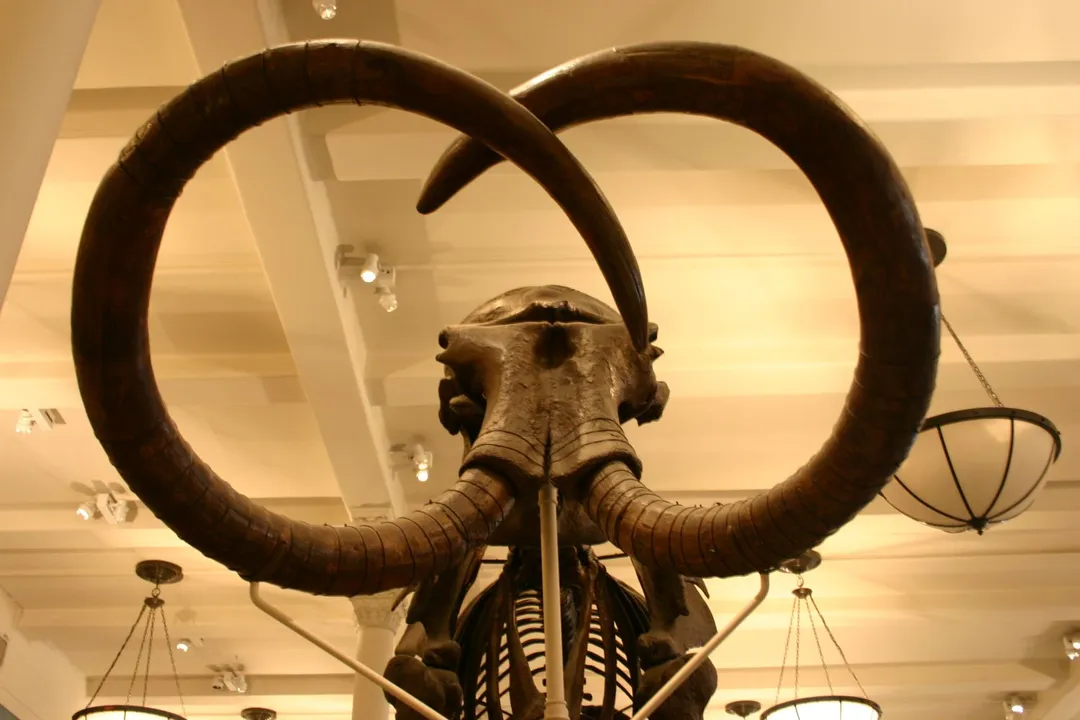
The image of the woolly mammoth, a giant shrouded in shaggy hair, evokes the stark, cold landscape of the last Ice Age. These magnificent creatures were dominant members of the Pleistocene megafauna, roaming vast swathes of the northern continents for hundreds of thousands of years. [3][5] Far from being simply large, hairy elephants, they were highly specialized animals whose very existence shaped the ancient steppes they inhabited. [4] Understanding these prehistoric titans requires looking closely at their adaptations, their world, and the mystery surrounding their final disappearance. [9]
# Giant Appearance
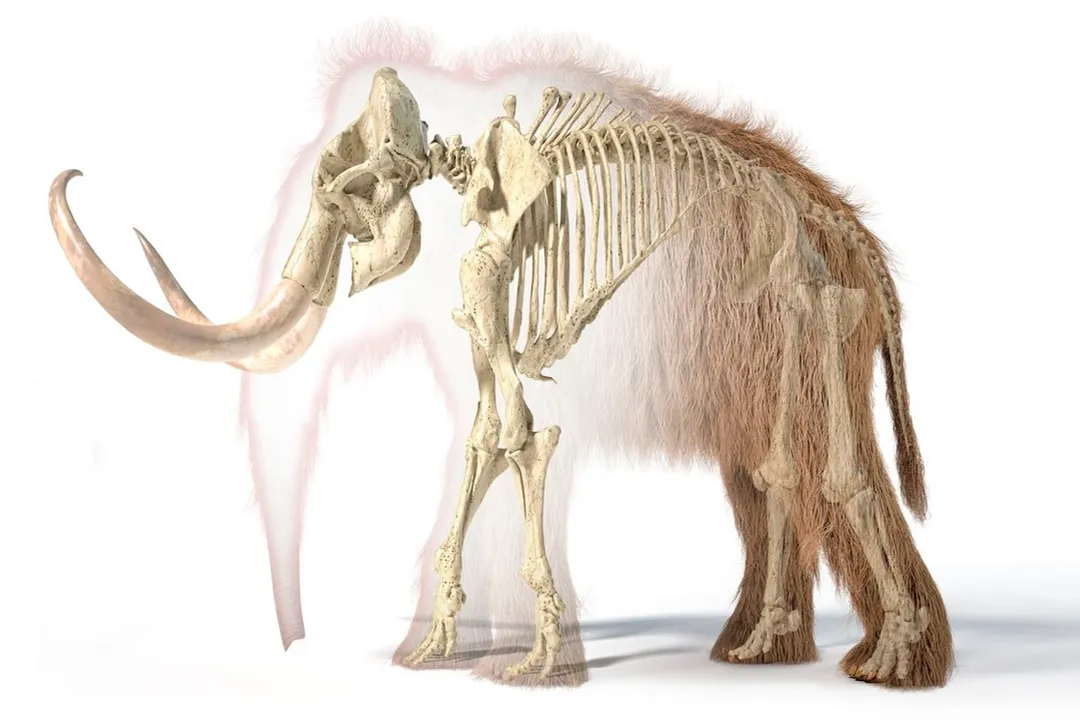
Woolly mammoths (Mammuthus primigenius) were imposing animals, though perhaps not quite as enormous as some of their straight-tusked relatives. [3] Standing shoulder to shoulder, an adult male could reach heights of up to 13 feet (4 meters) at the shoulder, although heights around 9 to 11 feet were more typical. [1][3] In terms of weight, they could easily tip the scales at around 6 metric tons, sometimes more for the largest males. [1][5] This size provided significant thermal inertia, helping them maintain body heat in frigid environments. [4] For comparison, a modern African bush elephant bull averages about 11 feet tall and weighs closer to 6 tons, meaning the mammoth’s height advantage was often more pronounced than its weight advantage, though they were built stockier. [1]
# Ice Age Fur
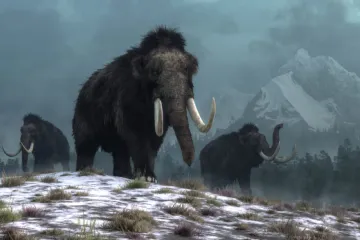
The most recognizable trait is, of course, the coat. The mammoth possessed a thick, insulating layer perfectly suited for the cold, dry grasslands they called home. [4][5] This coat was composed of two primary layers: a dense, woolly undercoat that trapped air, and an outer layer of long, coarse guard hairs that could reach lengths up to three feet. [4][9] These long hairs often gave the animal a somewhat shaggy, almost mop-like silhouette, particularly around the head and shoulders. [5] Beneath the skin, a layer of fat, sometimes over three inches thick, offered additional insulation and crucial energy reserves during lean winter months. [4] When considering how much energy was required to maintain such a massive frame in a landscape where food availability fluctuated seasonally, one realizes this heavy insulation was just as vital for metabolic stability as it was for simple warmth. [2]
# Herbivore Lifestyle
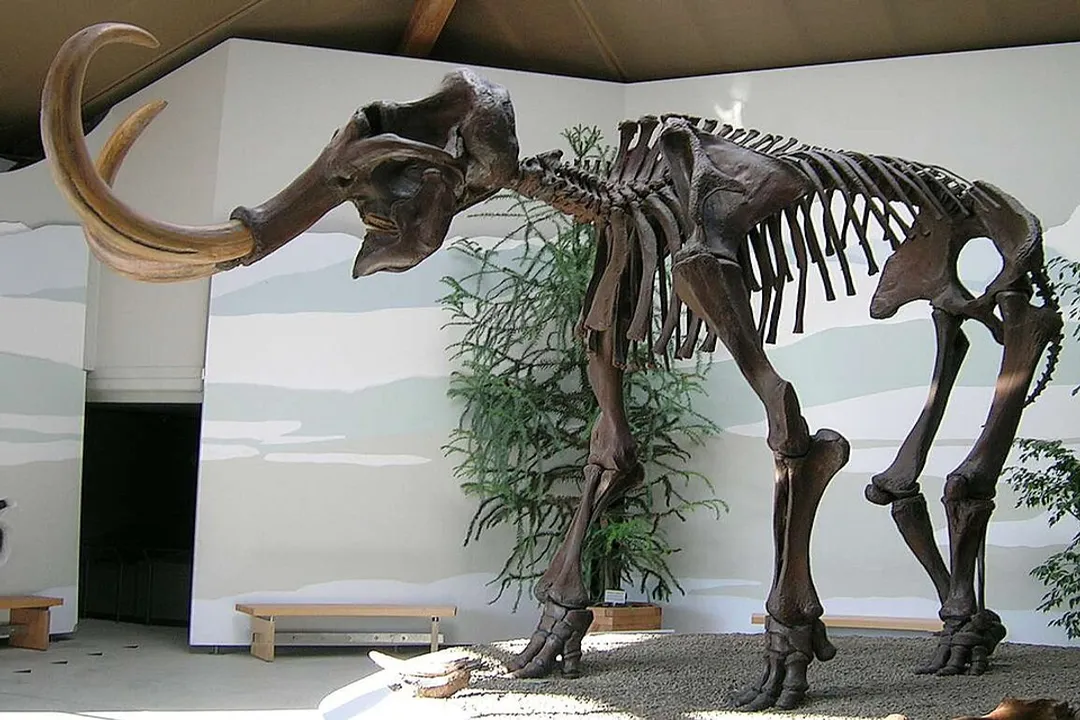
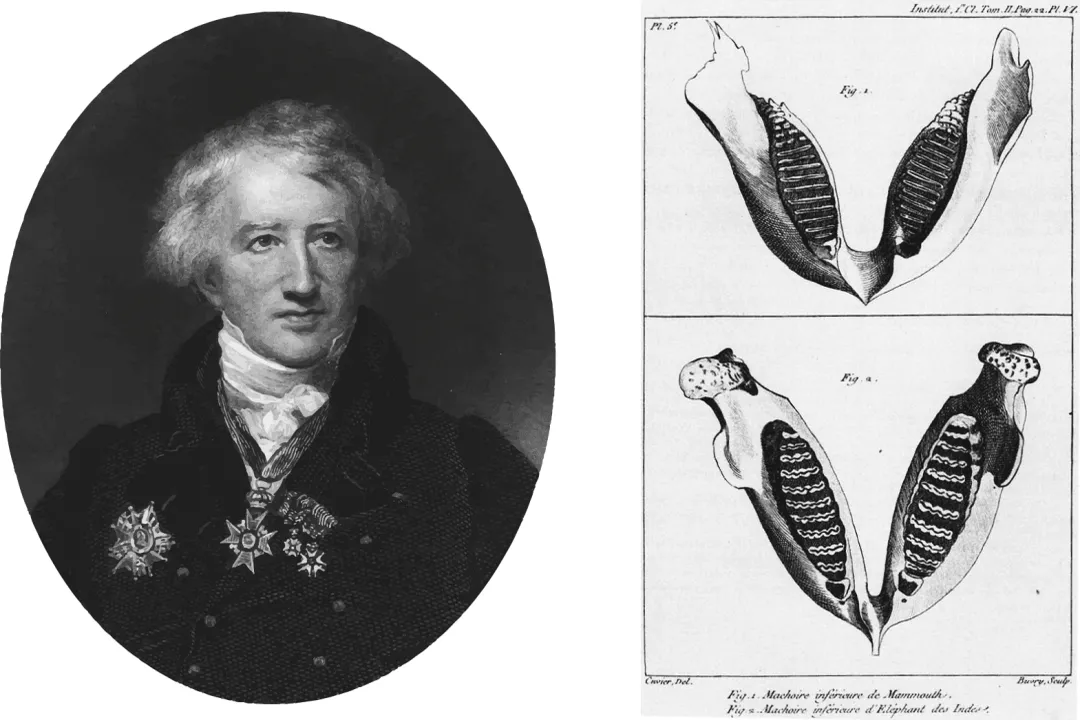
Mammoths were strict herbivores, requiring an enormous intake of food daily to fuel their large bodies. [4] Their primary diet consisted of the grasses, sedges, herbs, and shrubs found on the mammoth steppe, a vast, cold grassland ecosystem that spanned Eurasia and North America during the Pleistocene. [3][5] Estimates suggest an adult mammoth might have consumed hundreds of pounds of vegetation every single day. [4] To process this tough, fibrous material, they evolved incredibly specialized teeth. Mammoths possessed about four large molars at any one time, which were replaced sequentially throughout their lives as they wore down from constant grinding. [2] These molars were not like the typical ridged teeth of other mammals; instead, they were long plates, stacked one upon the other, creating a grinding surface similar to a file or a washboard. [2]
# Geographic Range
The woolly mammoth was widespread, possessing one of the largest geographical ranges of any terrestrial mammal, past or present. [3][5] Fossils and remains have been found across the northern parts of Eurasia, extending from Spain well into Siberia, and across North America, reaching south into the present-day United States. [3][5] A crucial pathway connecting the continents was Beringia, the land bridge that exposed itself when sea levels dropped. [5] While they roamed widely, they preferred the relatively dry, treeless mammoth steppe environment over dense forests or truly arctic tundra. [3][4] Their distribution shrank significantly as the Pleistocene ended and the world warmed, leading to habitat fragmentation. [9]
# Curving Tusks
Perhaps second only to their fur in immediate recognition are the mammoth's tusks. These massive structures were modified upper incisor teeth that grew continuously throughout the animal's life, much like modern elephant tusks. [1][4] Male tusks were typically longer and more dramatically curved than those of females. [2] The curve was often a pronounced spiral, sometimes reaching lengths exceeding 15 feet. [1] These tusks served multiple functions; they were essential tools for sweeping aside snow to access buried vegetation during the winter, [4] used for defense against predators like saber-toothed cats or cave lions, and likely played a role in social displays and attracting mates. [1][3] An interesting pattern observed in fossilized tusks is the growth rings, which, much like tree rings, can provide scientists with annual data on growth rates and environmental conditions during the mammoth’s life. [2]
# Extinction Puzzle
The end of the woolly mammoth is one of paleontology’s most enduring mysteries. The species persisted across much of its range until about 10,000 years ago, but small, isolated populations survived in certain refugia for much longer. [5] The last known population on Wrangel Island in the Arctic Ocean survived until approximately 4,000 years ago, well into the era of early human civilization. [5][9] Two main theories dominate the discussion: climate change and human impact. [3] As the Ice Age ended, the environment shifted; the expansive, nutritious mammoth steppe gave way to less favorable boreal forests and swampy tundra, reducing their food supply. [9] Simultaneously, early modern humans were expanding into these same northern territories, likely hunting the slow-reproducing giants. [3] It is highly probable that it was not one factor alone, but a devastating combination: climate change stressed the populations and fragmented their habitats, making the remaining, smaller groups far more vulnerable to predation by organized human hunters. [9] This compounding pressure likely drove the species to oblivion long before other large mammals disappeared.

# Elephant Kin
Despite their distinct appearance, mammoths were members of the order Proboscidea, placing them firmly in the elephant family tree. [3] The woolly mammoth’s closest living relative is the Asian elephant (Elephas maximus), rather than the African elephant. [3][4] Genetic studies have confirmed this relationship, showing that the woolly mammoth shared an ancestor with the Asian elephant more recently than either shared one with the African elephant. [6] In fact, genetic sequencing has revealed that woolly mammoths shared about 99% of their functional genes with the Asian elephant. [6] This close relationship is the foundation for modern scientific efforts aiming to "de-extinct" the mammoth, as scientists would need to edit the genome of the Asian elephant to reintroduce mammoth traits. [6][8]
# Resurrection Science
The wealth of incredibly well-preserved woolly mammoth remains found frozen in Siberian permafrost has made them a prime candidate for "de-extinction" research. [6][8] Because these specimens are not just bones but include soft tissue, hair, and sometimes even blood, scientists have been able to retrieve high-quality, intact DNA. [6] Projects are currently underway attempting to use gene-editing tools, like CRISPR, to edit the genome of the modern Asian elephant, incorporating key mammoth genes—such as those related to cold tolerance, smaller ears, and thicker hair—to create a cold-resistant, mammoth-like elephant hybrid. [8] While this endeavor raises numerous ethical and ecological questions about reintroducing a species to an ecosystem that has fundamentally changed since their departure, the scientific advances in genetic material recovery are unparalleled. [6]
#Videos
Woolly Mammoth Facts! - Mr. DeMaio - YouTube
Related Questions
#Citations
Woolly Mammoth | National Geographic Kids
[PDF] Fun facts about woolly mammoths - West Berkshire Heritage
Woolly mammoth | Size, Adaptations, & Facts | Britannica
10 Facts About the Wild Woolly Mammoth - ThoughtCo
Woolly mammoth - Wikipedia
About the Woolly Mammoth - Revive & Restore
Woolly Mammoth Facts! - Mr. DeMaio - YouTube
Woolly Mammoth Facts For Kids | AstroSafe Search - DIY.ORG
Woolly mammoths: Facts about these extinct, shaggy ... - Live Science
Woolly mammoth Facts for Kids