What two specific types of flora dominated the Coelodonta antiquitatis diet?
Answer
Grasses and sedges
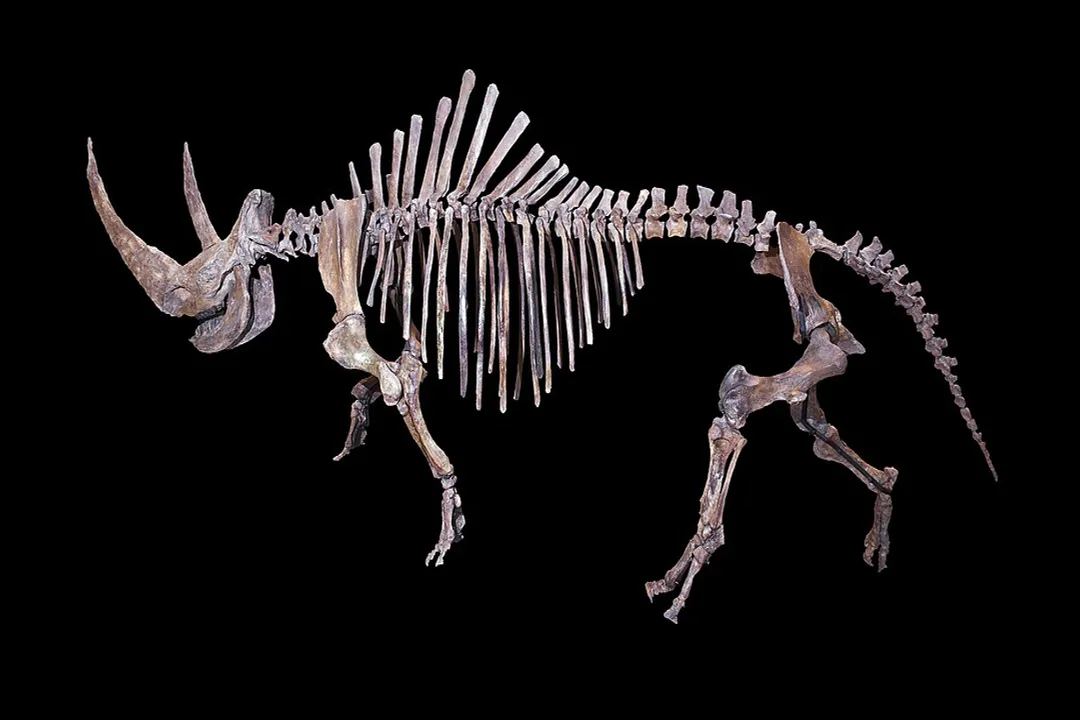
The diet of the woolly rhino was overwhelmingly focused on the vegetation that defined the cold, arid mammoth steppe ecosystem. Specifically, both stable isotope analysis of bones and dental evidence converge on the conclusion that the primary components consumed daily were grasses and sedges. These low-lying, fibrous plants formed the bulk of their necessary intake to sustain their massive body weight. While secondary sources were sometimes included, the maintenance of their immense size required a constant, high-volume consumption of this specific grass and sedge base, which was abundant in their grassland habitat.
Related Questions
What feeding classification characterized Coelodonta antiquitatis?What two specific types of flora dominated the Coelodonta antiquitatis diet?What elements are analyzed via stable isotope analysis for rhino diet?What specific dental structure allowed the woolly rhino to grind tough material?Which non-woody perennial was regularly included in the rhino's intake?What was the typical body mass range for the massive woolly rhino?How did the woolly mammoth's diet plasticity compare to the woolly rhino?What did microscopic enamel microwear reveal about masticated food texture?What primary component of the steppe environment did the rhino heavily rely on?Which extant rhinoceros species is considered a strong behavioural analogue for the woolly rhino?