How did the diet specialization of the Woolly Rhino contrast with the Woolly Mammoth?
Woolly Rhino specialized as a grazer on grasses, while the Mammoth could shift between grazing and browsing.
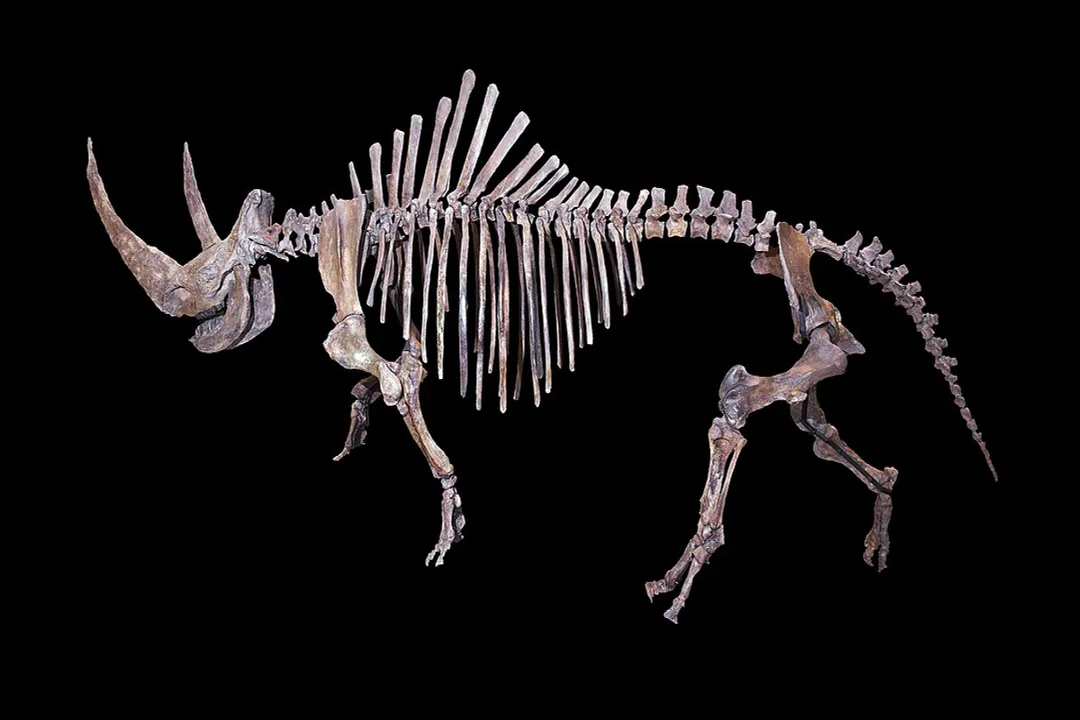
Ecological differentiation was crucial for the survival of multiple megafauna species in the Pleistocene. The Woolly Rhinoceros (*C. antiquitatis*) was highly specialized as a grazer. This specialization is evidenced by its specialized dentition—massive, broad teeth perfectly shaped for processing abrasive grasses and sedges that characterized the dry mammoth steppe. This lack of dietary flexibility meant that when the environment shifted, the rhino suffered significantly. In contrast, the Woolly Mammoth exhibited greater ecological plasticity. The text notes that the Mammoth possessed the ability to shift its diet, utilizing both grazing (eating grasses) and browsing (eating shrubs/twigs) depending on the local environmental conditions. This dietary flexibility provided the Mammoth with a survival advantage when the grassy steppe began to give way to denser woodlands, allowing it to utilize alternative forage sources that were unavailable to the strictly specialized Rhino.
#Videos
The Insane Evolution of the Woolly Rhino - YouTube