What did genetic uniformity in later Coelodonta antiquitatis populations suggest about their resilience?
They likely experienced significant population bottlenecks, reducing overall genetic diversity.
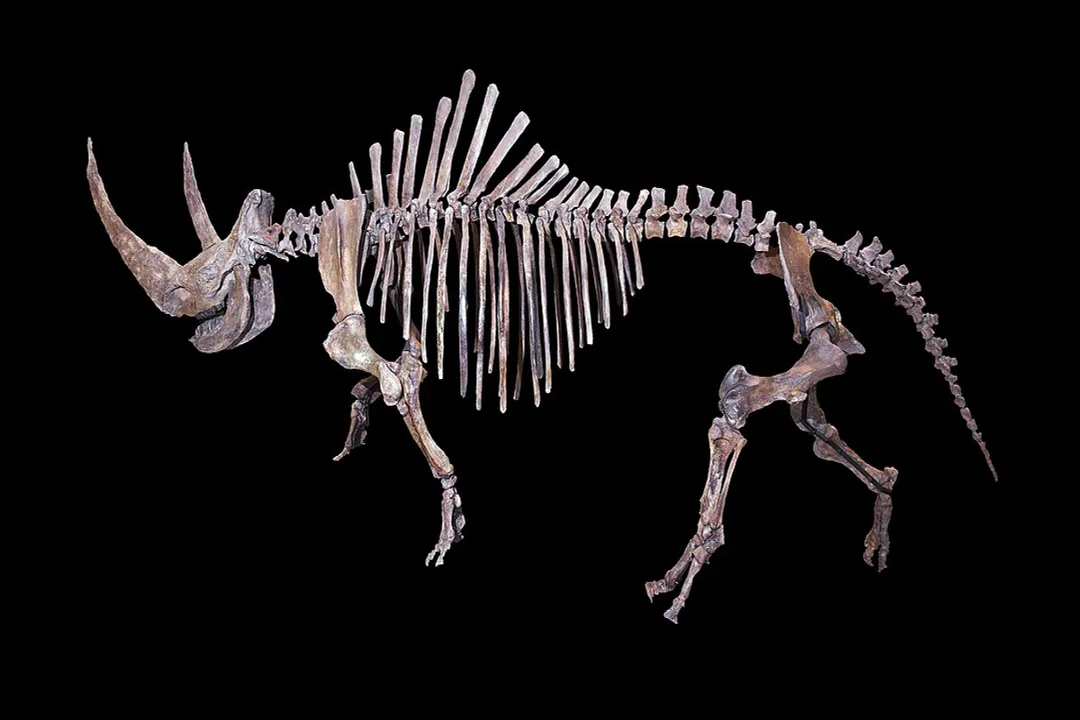
Genetic analysis, particularly tracking diversity across ancient DNA samples spanning millennia, serves as a proxy for population health and historical size fluctuations. The observation of genetic uniformity in the later populations of *Coelodonta antiquitatis*, even before their final extinction, is a strong indicator that the species had endured periods where effective population size was severely reduced. These events are termed population bottlenecks. A bottleneck occurs when a large population shrinks dramatically due to environmental stress, such as extreme cold spells or dramatic vegetation loss. Even if the population eventually recovered numerically, the genetic variation present in the surviving individuals is much lower than in the original large population. This long-term reduction in effective population size meant the species carried less overall genetic diversity, inherently lowering their capacity to adapt to subsequent, significant environmental challenges, such as the rapid warming trend marking the end of the Pleistocene.
#Videos
The Insane Evolution of the Woolly Rhino - YouTube