Woolly Bear Caterpillar Facts
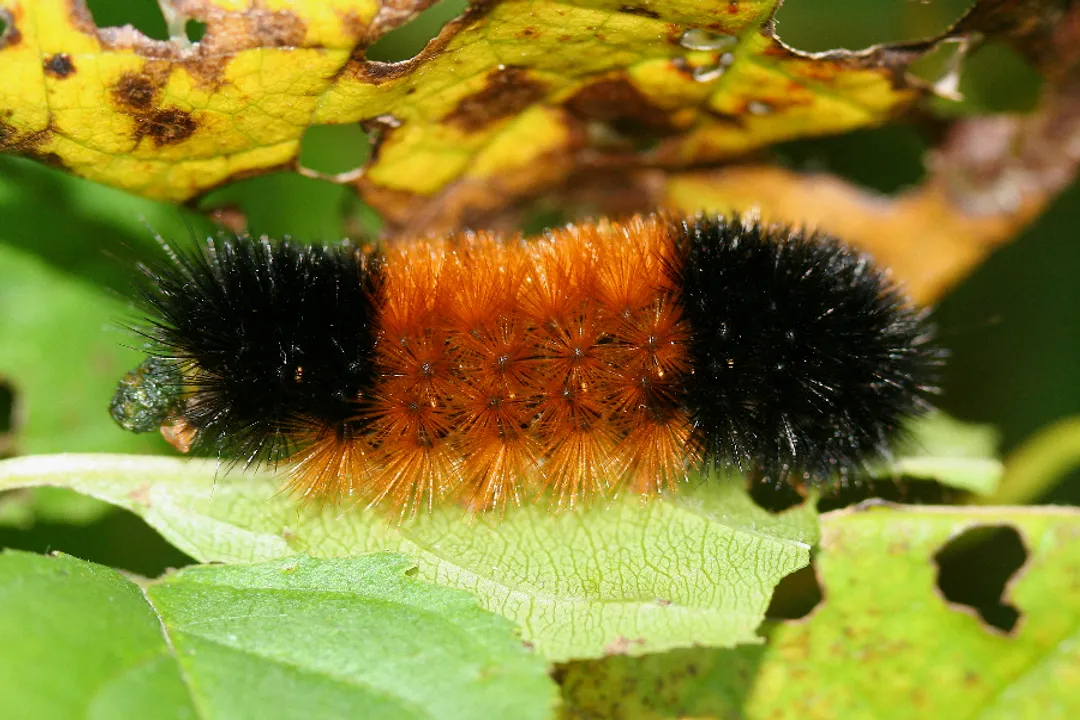
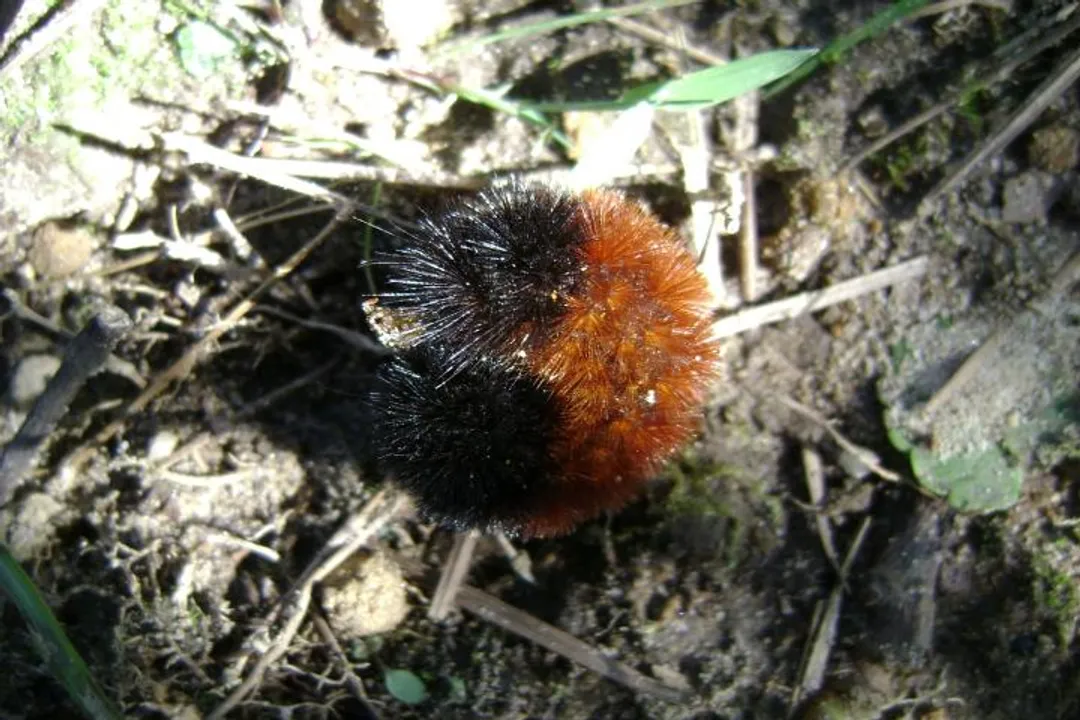
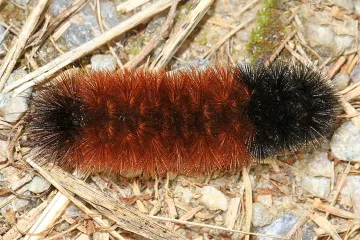
The furry, segmented creature often spotted inching across driveways and lawns in autumn is more than just a harbinger of chilly days; it is the larval stage of the Isabella tiger moth (Pyrrharctia isabella), known colloquially as the banded woolly bear or simply the woolly worm. These caterpillars are found across the United States, Canada, and even down into Mexico. Characterized by their 13 distinct segments, they typically display black or dark brown hair on their anterior and posterior ends, sandwiching a band of reddish-brown or coppery-red hair in the middle.
# Life Cycle Stages
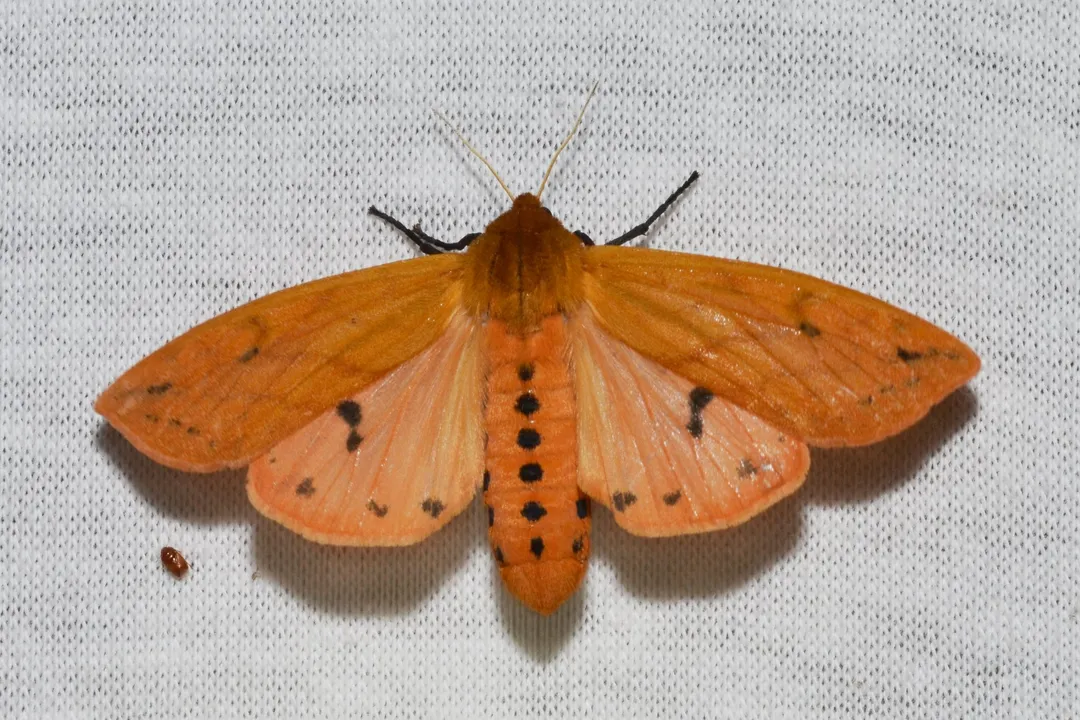
The life of the woolly bear is divided between periods of activity and remarkable biological stasis. Unlike a true worm, this is a caterpillar that undergoes full metamorphosis. Adult Isabella tiger moths are beautiful, often dull yellowish to orange insects with sparse black spots on their wings and bright reddish-orange forelegs. These adult moths live for only a few days in the summer, focusing solely on mating and laying eggs before they perish.
The cycle begins when eggs hatch, sometimes leading to two distinct generations within a single summer season, often with activity noted in May and August. The generation that emerges in the late summer or fall is the one that captures public attention. These fall woolly bears are frantically searching for a secure, secluded spot—under logs, rocks, bark, or leaf litter—to spend the coming winter as larvae.
# Surviving Winter
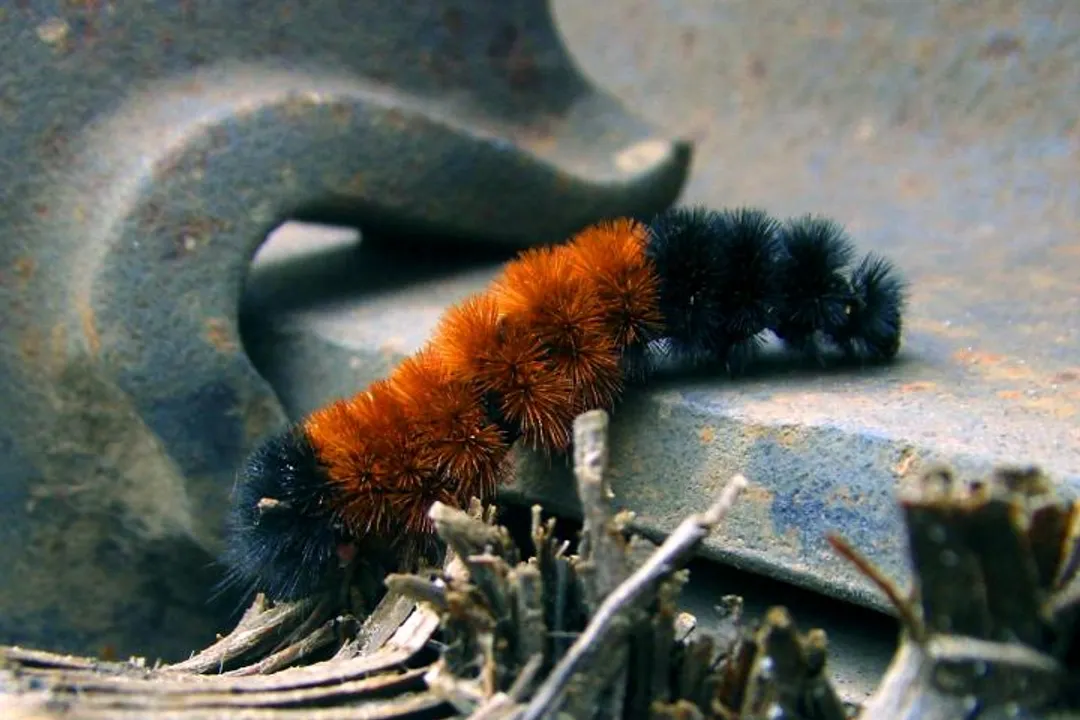
The most fascinating aspect of the woolly bear's life in colder climates is its ability to survive extreme sub-freezing temperatures. To achieve this, the caterpillar produces a natural cryoprotectant within its tissues, a chemical often identified as glycerol, which functions much like antifreeze. This process allows most of its mass to freeze solid, sometimes reaching temperatures as low as $-90$ degrees Fahrenheit in extreme northern latitudes, while preventing damage to the interior cells. In the Arctic, these caterpillars have been observed to spend nearly 90% of their existence frozen, with some living for up to 13 years through repeated cycles of freezing and thawing.
When the warming temperatures of spring arrive, typically around May, the caterpillar thaws, feeds briefly, and then prepares to pupate, spinning a dark, oval cocoon within which it transforms into the adult moth over the course of about a month.
# Eating Habits
As larvae, P. isabella are considered generalist feeders, meaning they are not overly particular about their diet, which allows them to thrive across a wide geographical range wherever plants grow. Their preferred foods include a variety of herbaceous plants, such as violets, clovers, dandelions, and nettles, as well as garden vegetables like cabbage and spinach, and even the leaves of trees such as maple, elm, and birch.
# Handling and Defense
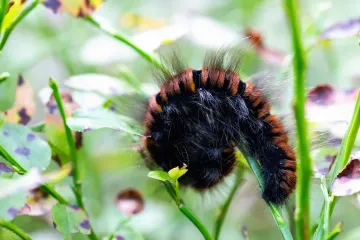
When a woolly bear feels threatened or is picked up, its primary defense mechanism is to instantly curl up into a tight, fuzzy ball, exposing only its stiff, hair-like bristles, called setae. While this defense is effective against many predators, the sharp, spiny nature of these hairs can sometimes cause dermatitis or skin irritation in some people, so handling is generally discouraged, though they are not considered venomous. It is important to note that other fuzzy caterpillars, like the Giant Leopard Moth larva, can be confused with the banded woolly bear, and some other fuzzy species are venomous. The true banded woolly bear's setae are not urticant in the way that would cause severe injury.
# Weather Lore Scrutiny
The most enduring aspect of the woolly bear phenomenon is the long-standing folklore that its coloration predicts the severity of the upcoming winter. The common rule states:
- Wider rusty-brown band (more brown): Predicts a milder winter.
- Narrower rusty-brown band (more black): Predicts a harsher, more severe winter.
This tradition has inspired festivals across North America, featuring caterpillar races to declare the official local forecast. However, scientific consensus largely dismisses this as charming superstition, noting that the band width varies widely even within the same clutch of eggs. More modern entomological observation suggests that the brown band tends to widen as the caterpillar ages, meaning a wider band may indicate the caterpillar hatched earlier in the season, possibly following a milder previous winter.
If a local observer relies on the color of the caterpillar found in their yard to make preparations for the coming winter, they are operating under the assumption that the coloring reflects future conditions. However, if the scientific finding about age is applied, the coloring is actually a proxy for the previous year's conditions. This discrepancy highlights a common challenge in folklore: correlation versus causation. For instance, if a caterpillar hatches late because the previous spring was abnormally cold or wet (slowing its development), it might have a narrower brown band, suggesting a harsh winter is ahead, when in reality, the coloring reflects the mildness of the last winter.
# Beyond the Bands
While the brown/black ratio gets the most attention, observers frequently report seeing caterpillars that are entirely black, entirely brown, or even white or yellow. It is crucial to distinguish these from the classic banded woolly bear, as they belong to different species or are at different developmental stages. All-black caterpillars, for example, are often the larvae of the Giant Leopard Moth. While the folklore might assign a dire prediction to an all-black P. isabella, these imposter caterpillars do not carry the same traditional forecast.
For those who wish to track this tradition locally, a good way to engage with the lore without relying entirely on the previous year's weather is to establish a small, controlled observation area in your garden. Providing the preferred late-season food sources like violets or lambs quarter will encourage the local generation to stay and feed before seeking hibernation sites, allowing you to document the most commonly appearing band width for your microclimate before the winter arrives, making for a fun, seasonal comparison regardless of the actual forecast.
Finally, observing the sheer number of woolly bears is interesting in itself. In some years, people report seeing hundreds or thousands, sometimes leading to theories about impending harsh winters. Biologically, a large population can simply mean the adult moths had a very successful mating season the previous summer, or that local habitat conditions were ideal for the initial generation that hatched earlier in the year. A noticeable absence, as reported in some regions, might suggest that local environmental factors, like an earlier-than-usual hard frost or localized pest issues, limited the survival of the first generation, rather than predicting an exceptionally mild winter.
# Winter Preparedness Tip
If you happen upon a woolly bear in late February or early March in a northern climate, it suggests it has prematurely emerged from its hibernation state, likely due to a temporary, unseasonable warm spell. Rescuing it and bringing it indoors to keep it warm is a kind impulse, but it can disrupt its internal clock, which relies on sustained cold to trigger spring metamorphosis. The best action in this scenario is gentle intervention: if the ground is frozen, carefully place the caterpillar in a small, sheltered container with dry leaves or bark and leave it in an unheated space, like a shed or a garage that remains cold, so it can re-enter diapause (hibernation) until a sustained spring thaw occurs. This gives it the best chance to complete its development cycle correctly later on.
Related Questions
#Citations
Creature Feature: Woolly Bear Caterpillar - Raritan Headwaters
Woollybear Facts - News - Vermilion Ohio
Do Woolly Bear Caterpillars Forecast Winter? Folklore & Facts
Pyrrharctia isabella - Wikipedia
Minnesota Profile: Banded Woolly Bear (Pyrrharctia Isabella)
Woolly-Bear Caterpillar - Arctic Wild
All about Woolly Bears | Sunflower Seeds
Learn About Woolly Worms - NC's Iconic Fall Festival Mascot
Woollybear Caterpillar | Yard and Garden - Iowa State University