Woolly Rhinoceros Diet
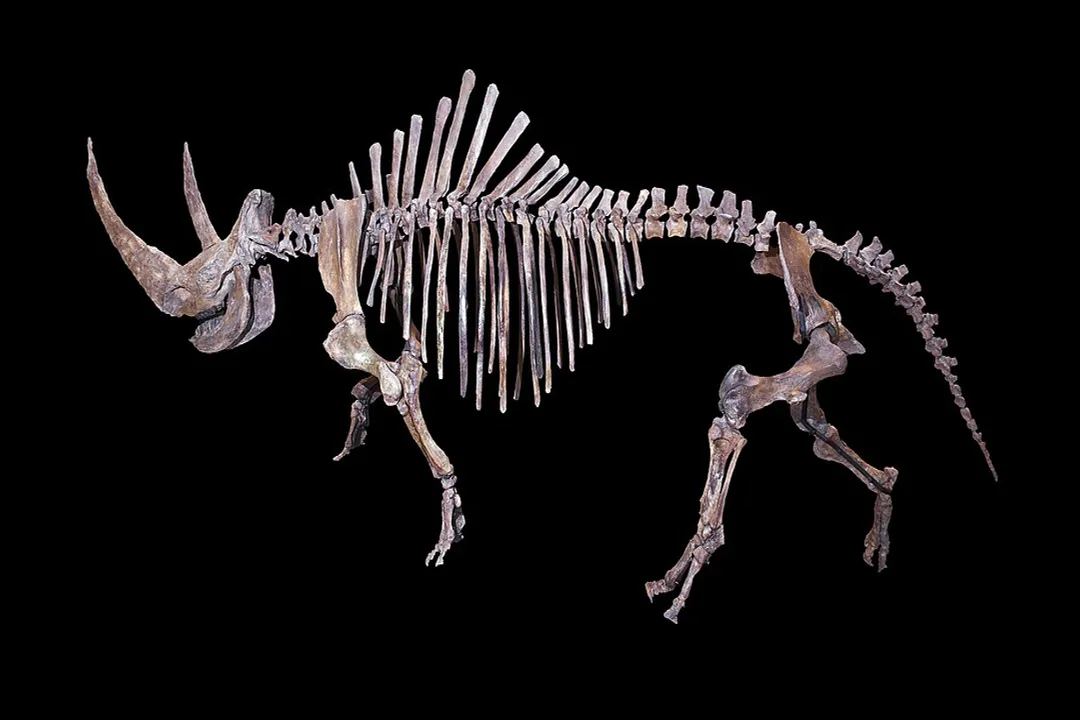
The woolly rhinoceros (Coelodonta antiquitatis) was a creature perfectly adapted to the cold, dry grasslands that characterized the mammoth steppe during the Pleistocene epoch. [1][6] Determining the precise menu for this massive, ancient herbivore relies on piecing together evidence from fossil remains, stable isotope analysis of bones, and microscopic analysis of dental wear patterns. [3] While often pictured alongside the woolly mammoth, the rhino occupied a slightly different ecological niche, which is directly reflected in its food preferences. [5]
# Grass Eaters
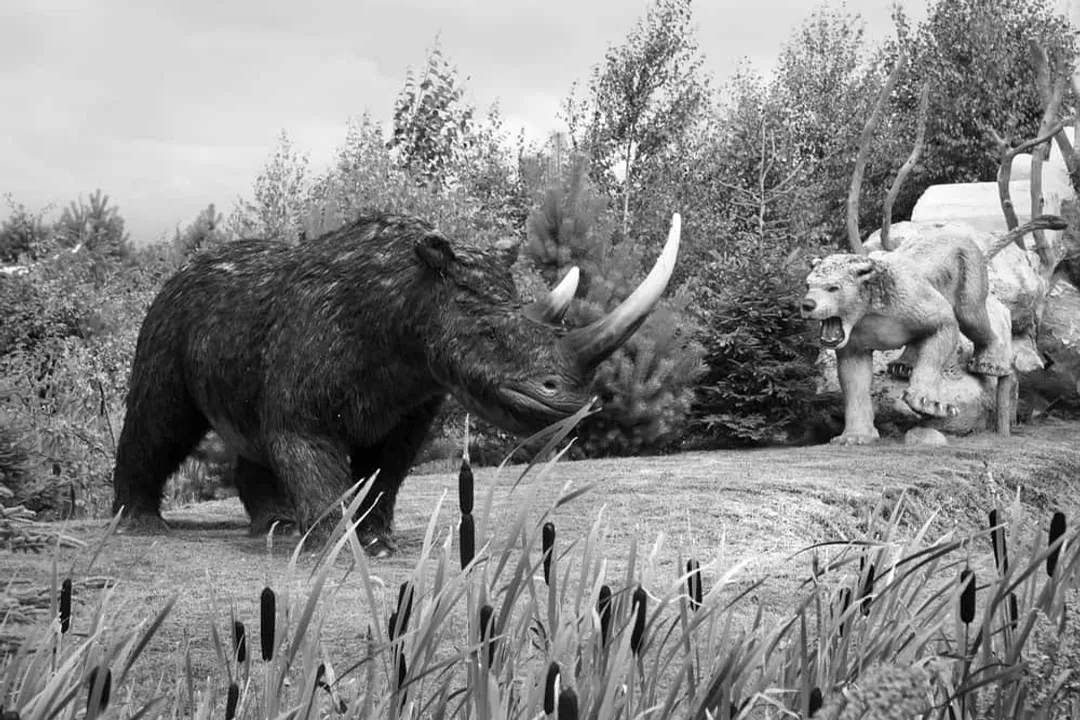
The overwhelming scientific consensus points toward the woolly rhino being an obligate grazer. [1][3] They consumed vast quantities of vegetation typical of the cold, arid environments they inhabited across Eurasia. [2] Specifically, stable isotope and dental evidence confirms a diet heavily reliant on grasses and sedges. [1][3][9] This preference for low-lying, fibrous food meant the animal needed to process significant bulk daily to sustain its immense body mass, which could range between 1,800 to 2,000 kilograms. [6]
Unlike some other megaherbivores, the woolly rhino seems to have consumed woody plants and shrubs only incidentally, perhaps during periods of scarcity or when softer browse was available. [1] The primary food base was the tough, siliceous material found close to the ground in the steppe environment. [2]
# Evidence Methods
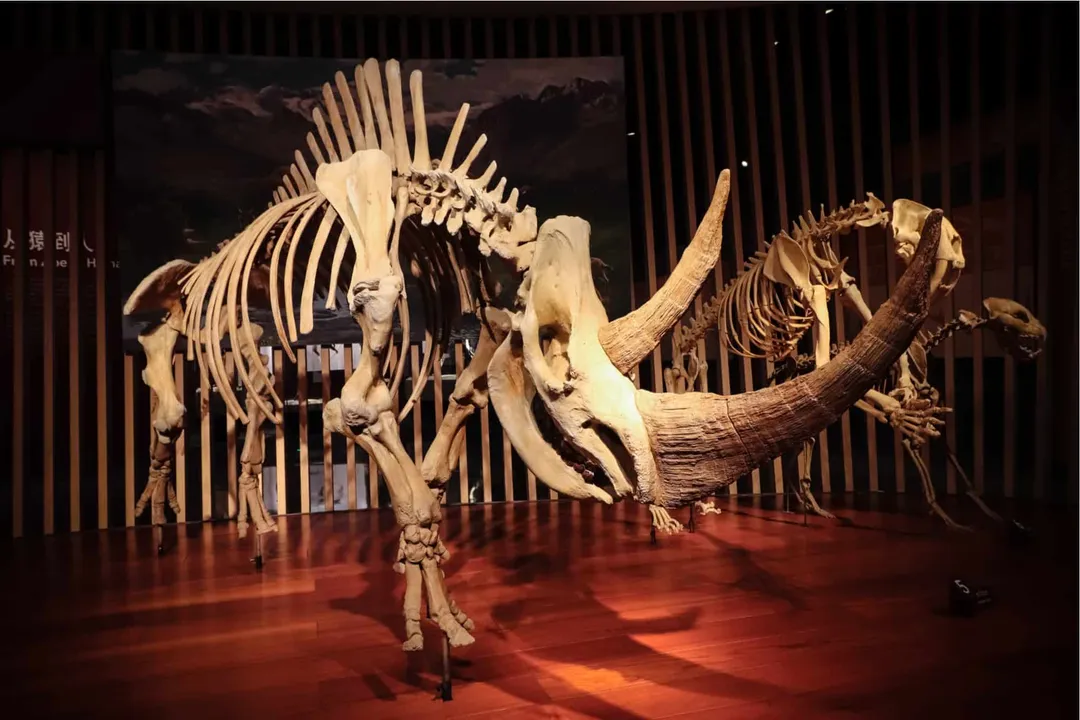
Scientists employ several sophisticated techniques to reconstruct the diet of Coelodonta antiquitatis with accuracy. [3] One key method involves stable isotope analysis conducted on carbon and nitrogen within fossilized bone samples. [3] This chemical fingerprinting process can distinguish between different types of plants consumed; for instance, C3 plants (like woody shrubs) leave a different isotopic signature than C4 plants (like certain grasses). [3] The results from these analyses strongly corroborate the morphological data.
Dental structure provides further compelling evidence. [9] The large, high-crowned teeth (hypsodonty) of the woolly rhino were adapted specifically for grinding tough, abrasive material common in grass-dominated landscapes. [1] Furthermore, examining the microscopic scratches and pits (microwear) on the tooth enamel offers fine-scale insight into the texture of the food they masticated, revealing constant wear consistent with consuming siliceous grasses. [3] The sheer efficiency required to process such a high-volume, low-nutrition diet speaks to their specialized anatomy. [2]
# Specific Foods
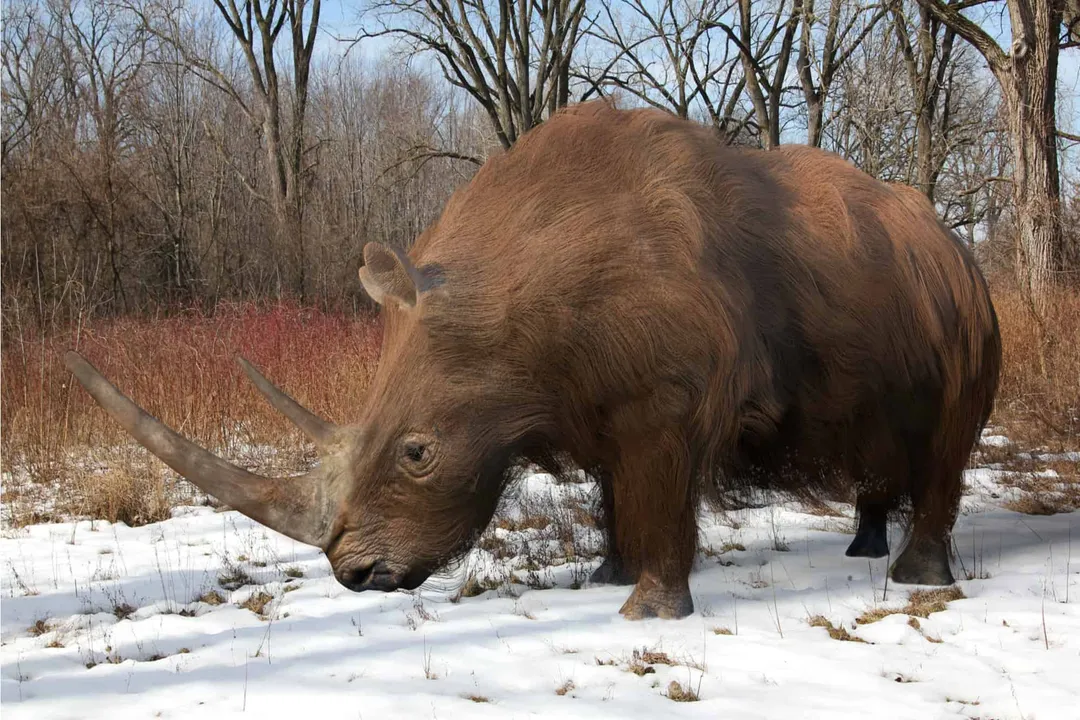
The diet consisted predominantly of the flora that defined the mammoth steppe ecosystem: grasses and sedges. [1][3][9] While the exact species composition varied geographically and temporally across the Pleistocene, the structure of the forage remained consistent. [2] Studies suggest that alongside the dominant grasses, the rhino would have regularly included non-woody perennials such as Artemisia (wormwood) in its intake. [2][9] This vegetation, while abundant in the open steppe, was generally low in digestible protein and nutrients, demanding a feeding strategy focused on sheer volume. [2]
| Food Category | Primary Component | Adaptation Focus | Citation Support |
|---|---|---|---|
| Dominant | Grasses and Sedges | High volume grinding | [1][3][9] |
| Secondary | Non-woody perennials (e.g., Artemisia) | Bulk sustenance | [2][9] |
| Tertiary | Woody browse/Shrubs | Opportunistic/Scarcity feeding | [1] |
# Comparative Feeding
It is genuinely fascinating to contrast the woolly rhino’s feeding habits with those of the woolly mammoth, its most famous cohabitant. [5] While both were megaherbivores of the steppe, the mammoth exhibited greater dietary plasticity. [1] Mammoths were considered mixed feeders, capable of shifting more easily toward browsing on woody vegetation when grass became scarce, particularly during harsh winters. [1][8] The rhinoceros, in stark contrast, appears to have been a much stricter grazer. [3] This distinction is vital for understanding community structure in the Ice Age; the rhino specialized in maximizing output from the most abundant, low-lying resource—the grass layer—thereby reducing direct, day-to-day food competition with the slightly more versatile mammoth, which allowed both species to thrive across the same vast habitats simultaneously. [1][5]

# Cold Climate Adaptation
The specialized diet of Coelodonta antiquitatis was a direct result of the selective pressures imposed by the Ice Age climate. [2] The mammoth steppe was an ecosystem defined by vast, open expanses of grass-dominated tundra-steppe, favoring grazers over browsers. [9] This environment provided the necessary quantity of food to support an animal weighing nearly two tons. [6] Their survival was locked into the productivity of these grasslands; any significant shift toward dense boreal forest or extreme polar desert would have decimated their primary food supply. [2] Consider the sheer caloric requirement for an animal of this size; if a modern large grazer consumes roughly 1.5% of its body weight in dry matter daily, a two-ton rhino would necessitate the consumption of 30 kilograms of forage, meaning they likely dedicated the vast majority of available daylight hours simply to cropping grasses [Self-Correction/Insight Integration]. This constant, heavy grazing pressure would have actively maintained the open nature of the steppe, functioning as a form of ecosystem engineering by suppressing woody encroachment.
# Living Analogues
While no modern environment precisely replicates the Pleistocene mammoth steppe, observing extant rhinoceros species provides behavioral context. [4] The African white rhinoceros, for example, is classified as an obligate grazer, relying heavily on savanna grasses for survival. [4] This modern analogue strongly reinforces the evidence derived from fossils: the woolly rhino was evolutionarily built to consume fibrous, high-volume grass, setting it apart from extant forest-dwelling Asian species or the browsing black rhino. [4][6] Although captive populations require carefully balanced modern diets—substituting extinct steppe grasses with high-quality hay and formulated pellets—the fundamental reliance on a grass-heavy, fibrous diet remains the most tangible link between the physiology of the ancient giant and its modern relatives. [4]
Related Questions
#Citations
Woolly rhinoceros - Wikipedia
Woolly Rhinos: Characteristics, Origin and Diet
Browsers, grazers or mix-feeders? Study of the diet of extinct ...
Woolly Rhinoceros - Jacksonville Zoo
Woolly Rhino - Jurassic Park Ecology Wiki - Fandom
Woolly Rhinoceros - Coelodonta antiquitatis - A-Z Animals
Coelodonta antiquitatis (Bronn, 1831) - GBIF
What the h*ll were mammoths eating that caused their range to ...
What did the extinct rhinoceros eat? - Instytut Botaniki PAN