Woolly Aphids Facts
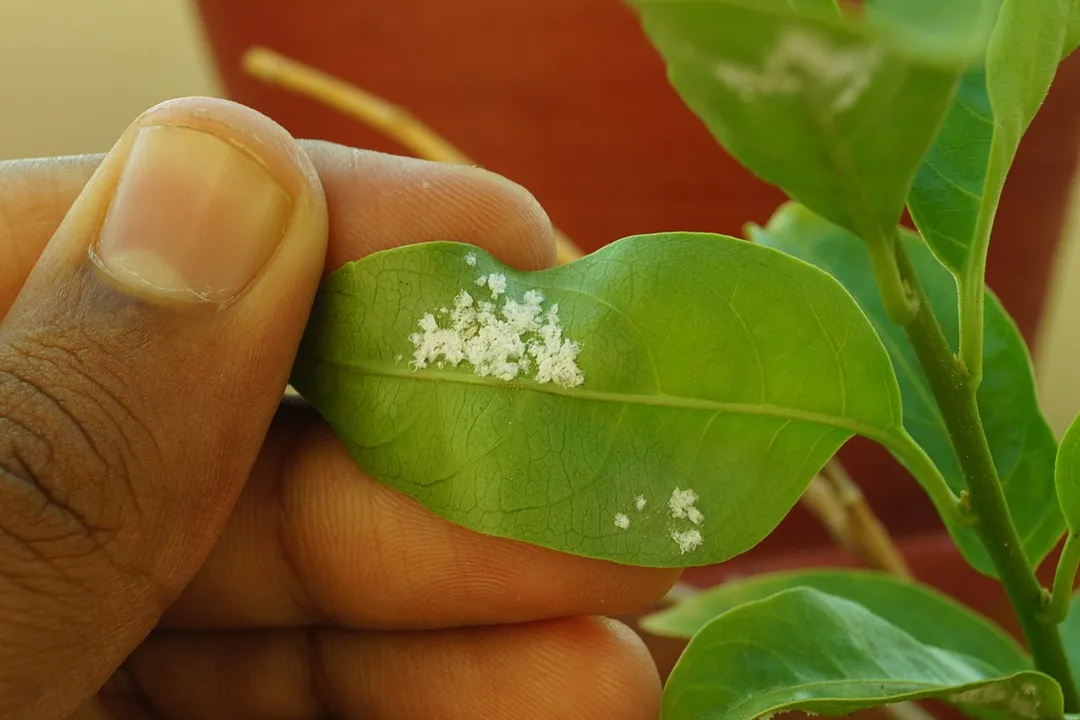
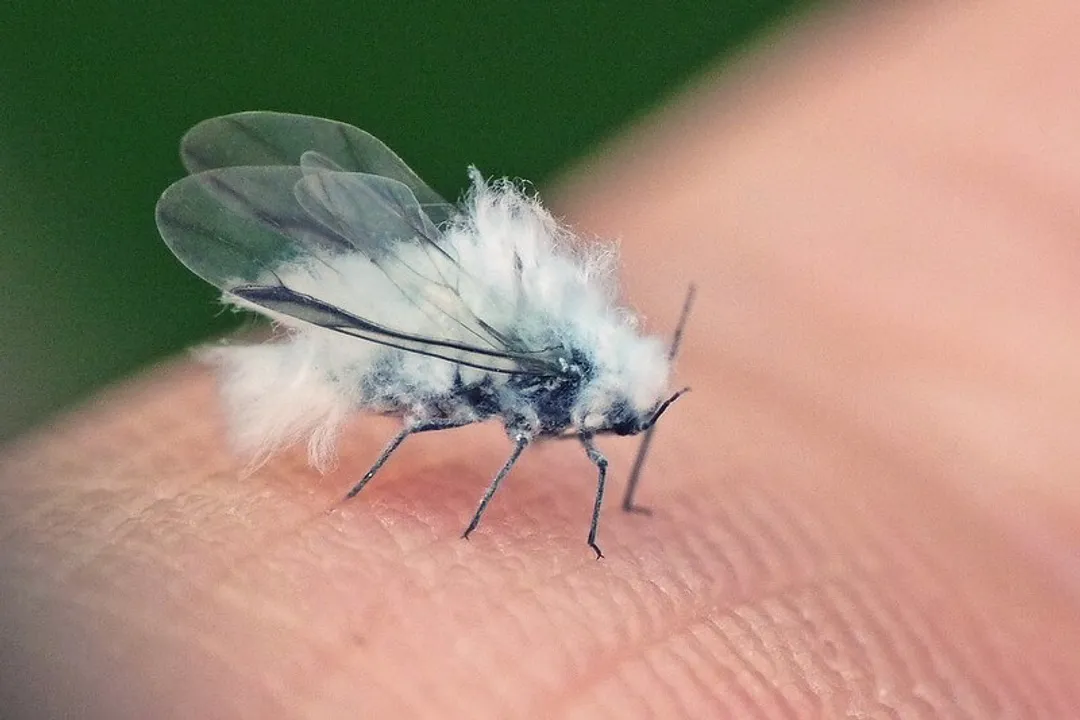
The sight of what appears to be small, white tufts of cotton clinging to the bark or undersides of leaves on a favorite shrub or fruit tree often signals the presence of woolly aphids. [3][6] These common plant pests, covered in a distinctive, fluffy white wax, belong to the subfamily Eriosomatinae within the aphid family. [2] While their appearance might suggest something benign, these insects are known agricultural and horticultural concerns, capable of causing significant damage to a wide range of hosts, including fruit trees, oaks, and elms. [1][5] Understanding their biology is key to managing their impact, especially since their signature white coat presents a challenge for control measures. [5][7]
# Defining Appearance
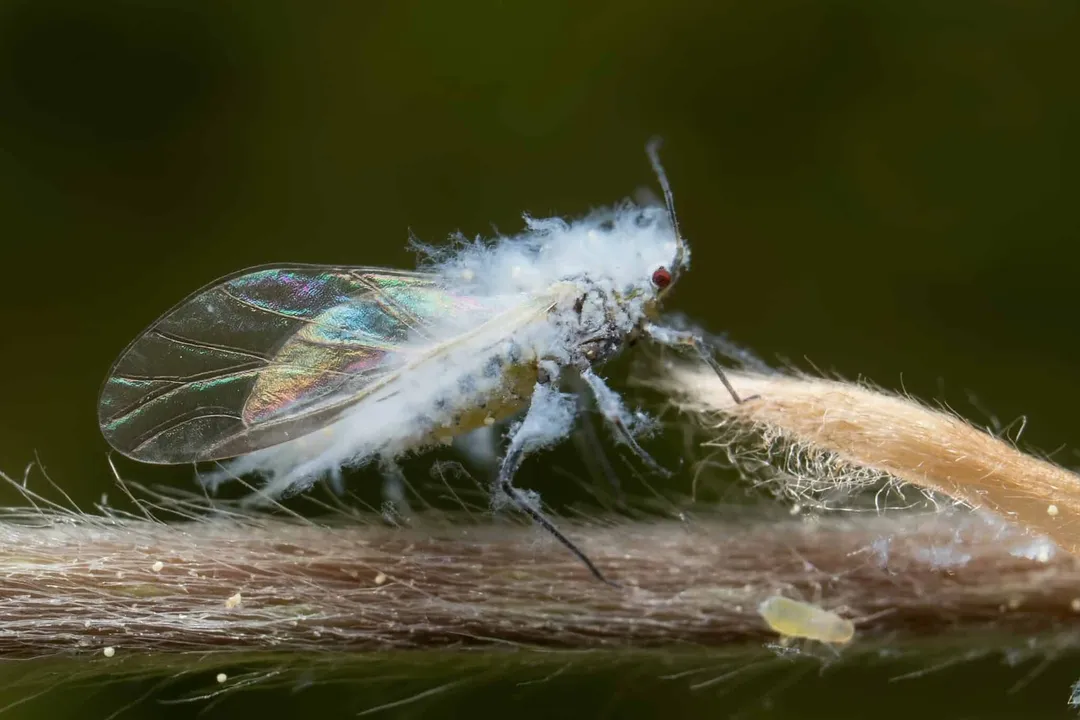
The most striking feature of these aphids is the protective covering that gives them their name. [5] This material is a white, waxy filament secreted by the insect itself, which often makes them look like miniature bits of lint or cotton clinging to plant surfaces. [1][4][6] This thick, cottony armor serves a dual purpose: it acts as a physical barrier against predators and parasitoids, and perhaps more critically for the gardener, it shields them effectively from many contact insecticides. [5][7]
Woolly aphids are not limited to one location on the plant. Depending on the specific species and the time of year, they can be found clustered on twigs, branches, leaves, and even on the roots below ground. [1][5] For instance, the woolly apple aphid is frequently observed on the aerial parts of apple trees, but its life cycle sometimes requires a migration to secondary hosts, like elm trees, where feeding occurs on leaves and stems. [8] The size of the individual aphid beneath the wax is quite small, but their colonial groupings make the infestation obvious. [6]
# Life Cycle Patterns
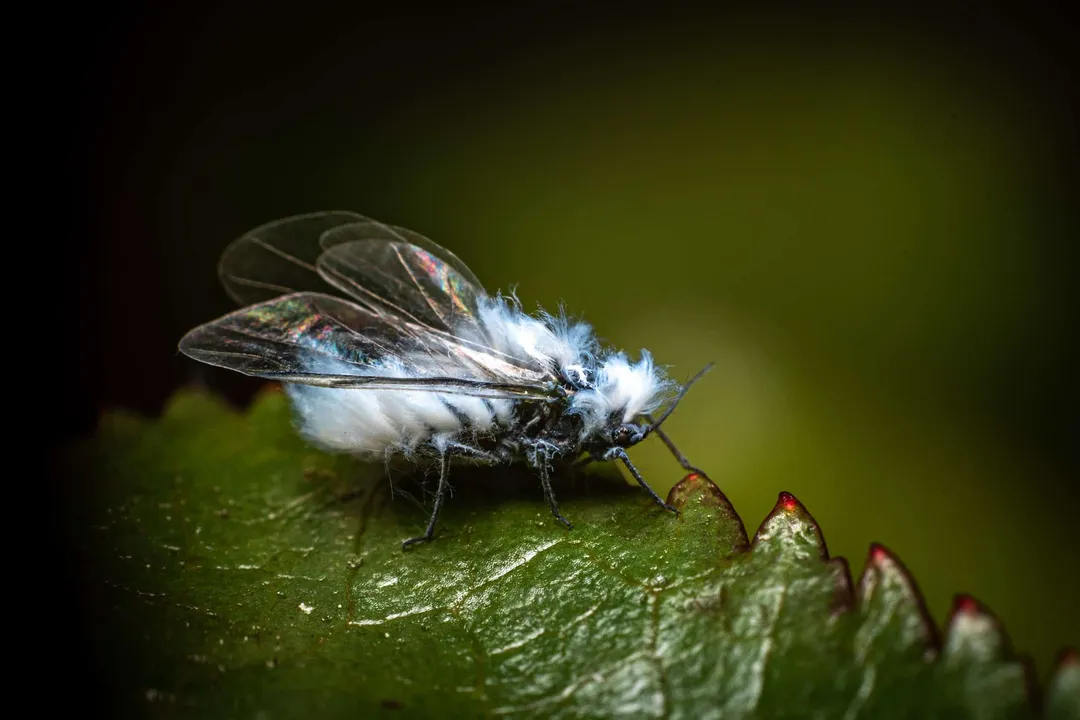
The reproductive strategy and life cycle of woolly aphids are complex and can vary significantly depending on the specific species and the prevailing local climate. [1][5] Generally, their development involves both sexual and asexual reproduction stages. [1]
During the growing season, reproduction is often asexual. Females give birth to live nymphs (viviparous reproduction) without mating, allowing populations to increase rapidly when conditions are favorable. [1] As the season wanes or environmental stress increases, sexual forms are produced. These sexual morphs mate, leading to overwintering eggs, which hatch into stem mothers in the spring to restart the cycle. [1][8]
A fascinating point of differentiation across species involves host alternation. Some species, like the woolly apple aphid (Eriosoma lanigerum), exhibit holocyclic life cycles requiring two different types of hosts: a primary woody host, such as apple or pear, and a secondary, herbaceous host, often an elm species. [8] The overwintering stage might be an egg laid on the primary host, or it might be a hardy stem mother hiding in bark crevices. [1][8] In contrast, other species may complete their entire life cycle on a single host plant, meaning they are monoecious. [1] For example, the woolly oak aphid (Stegopterna dentata) primarily concerns itself with oak trees.
It is worth noting that in regions with mild winters, some species might skip the sexual stage entirely, with the stem mother simply surviving the winter and giving live birth to the next generation in spring, essentially shortening the cycle and potentially leading to earlier outbreaks. [1]
# Plant Damage
The harm caused by these insects stems directly from their feeding habits: sucking vital sap from the host plant. [1] This withdrawal of nutrients and water leads to several visible issues.
On the aerial parts, feeding often results in distorted growth—curling leaves, stunted shoots, and general overall weakening of the plant structure. [1][5][7] In severe infestations on fruit trees, this damage can translate directly into reduced fruit quality, lower yields, and, in persistent cases, branch dieback. [8] Furthermore, like many aphids, woolly aphids excrete honeydew, a sticky, sugary substance that coats the leaves and bark. While this is a nuisance itself, it creates an ideal surface for the growth of black sooty mold, which further impedes photosynthesis. [1]
The damage is not always restricted to above-ground parts. Some species, such as the root-feeding form of the woolly apple aphid, attack the root systems. [8] Feeding below ground can cause weakened trees, bark cracking, and the formation of galls or swellings on the roots, compromising the structural integrity and water uptake of the entire plant. [1][8]
The woolly oak aphid presents a slightly different damage profile. Instead of generalized decline, its feeding activity, possibly due to growth-regulating substances injected during feeding, induces the formation of distinctive leaf galls on the oak tree's leaves. These galls are abnormal tissue growths that consume the tree's resources, sometimes leading to premature leaf drop if the infestation is heavy.
# Pest Management Tactics
Controlling woolly aphids presents a specific hurdle: their waxy secretions. [5] This coating acts as a formidable natural defense, preventing most topical sprays from reaching the soft-bodied insect underneath. [7] Therefore, successful management often requires targeting the aphid when it is most vulnerable or using methods that circumvent this protection.
# Timing and Treatment
When chemical intervention is deemed necessary, timing is paramount. Applying treatments when the aphids are in their most vulnerable stages—such as the newly hatched crawlers before they develop heavy wax, or targeting the overwintering stem mothers before mass parthenogenetic reproduction begins in spring—can improve efficacy. [1][5] Dormant oils applied during the winter can smother overwintering eggs or stem mothers hiding in bark crevices, making this a valuable pre-season cultural practice. [1][8] For established, heavy wax-covered colonies, systemic insecticides, which are absorbed by the plant and move through its tissues to poison the feeding insects, may be required, though resistance and environmental impact must be considered. [5][7]
# Biological Controls
Nature offers several counter-measures against these pests, which are generally preferred for long-term, sustainable control. [5] Several parasitic wasps, belonging to the family Aphelinidae, are effective natural enemies of woolly aphids. [1] These wasps lay their eggs inside the aphid nymphs; the developing wasp larva consumes the aphid from within, leaving behind a characteristic hard, brown, empty shell, often referred to as a "mummy". [1] Similarly, predatory insects, such as lady beetles (ladybugs) and lacewing larvae, actively feed on both the adults and nymphs of the woolly aphid colonies. [5] Encouraging a healthy population of these beneficial insects through habitat preservation is a cornerstone of integrated pest management (IPM) for woolly aphids. [1]
# Managing Species Differences
A key consideration for an informed approach is recognizing which species you are dealing with, as management strategies can shift based on host range. For example, if a gardener is struggling with aphids on their apple orchard, they must consider the possibility of an elm reservoir nearby that harbors the alternate-stage generation, whereas an infestation purely on native oaks may only require focusing management efforts on the oak itself. [8] Knowing if the pest alternates hosts helps determine if eliminating the alternate host plant might offer a long-term, though drastic, control solution. [1] This highlights a crucial first step: accurate identification of the host-specific life cycle stages present is arguably as important as choosing the correct chemical or biological agent. A dormant oil application might target overwintering apple aphid stem mothers, but it would be useless against the root-feeding form unless specifically formulated for soil drenching or root protection.
# Identifying Infestation Signs
Recognizing an infestation early can prevent severe outcomes. Beyond the visual cue of the white, waxy masses, growers and gardeners should also look for signs of honeydew or sooty mold. [1] In perennial woody plants, growth that appears generally weak, exhibiting dieback at the tips of branches, can also be an indicator, particularly if the cause isn't obvious drought or disease. [5] When examining the bark, look closely for colonies, especially in protected areas like crotches where branches meet or in rough bark crevices, as this is where stem mothers often hide to survive cold periods. [8] For root-feeding types, signs of decline without corresponding heavy above-ground insect activity suggest checking the root zone might be necessary. [8]
When inspecting for woolly oak aphid damage, look specifically at the leaves for the tell-tale, often bumpy or puckered formations—the galls—which are the most reliable sign of their presence on that host. If you suspect a root infestation on a tree, carefully examine the soil line and upper root flare for exudates or swellings before assuming the problem is purely above ground. [8]
# Contextualizing the Threat
While woolly aphids are certainly problematic, their categorization as a pest varies based on context. For commercial fruit production, such as apples, the woolly aphid is a serious, recognized threat requiring diligent monitoring and established chemical controls, given the economic impact of reduced yields. [7][8] However, for a non-commercial gardener observing a localized, minor infestation on a mature oak tree that produces no fruit, the impact is often aesthetic rather than critical, allowing for a greater reliance on natural predation and simple pruning of heavily infested twigs.
The fact that the white wax protects against many common garden sprays means that general-purpose insecticides often fail spectacularly against established woolly aphid colonies. [5][7] This failure can lead to increased frustration and a belief that the pest is invincible, when in reality, the timing or mode of action of the treatment was inappropriate for the protective covering. A careful, non-chemical approach, such as using a strong jet of water to physically dislodge small colonies in the summer, can be surprisingly effective on easily accessible young growth before the wax fully develops, serving as a good mechanical control option for small garden scenarios. [1] The key takeaway for the home grower is often patience and observation, allowing natural predators to establish themselves, which they often do once the aphid population booms. [5]
Related Questions
#Citations
Trees and Shrubs: Invertebrates: Woolly Aphids—UC IPM
Eriosomatinae - Wikipedia
Woolly Aphids Insect Facts - Eriosoma lanigerum - A-Z Animals
Woolly aphid: Identification, Care & Tips | RHS Advice
Woolly Aphids | Yard and Garden - Iowa State University
Wooly Aphids…AKA “Blue Fuzzy-Butts”
[PDF] Pest Fact Sheet: Woolly aphid (Eriosoma lanigerum)
Woolly Apple Aphid - Utah State University Extension
Woolly Oak Aphids | NC State Extension Publications