When is the efficacy of chemical intervention improved by targeting newly hatched crawlers or stem mothers?
Answer
Before crawlers develop heavy wax or before stem mothers begin mass parthenogenetic reproduction in spring.
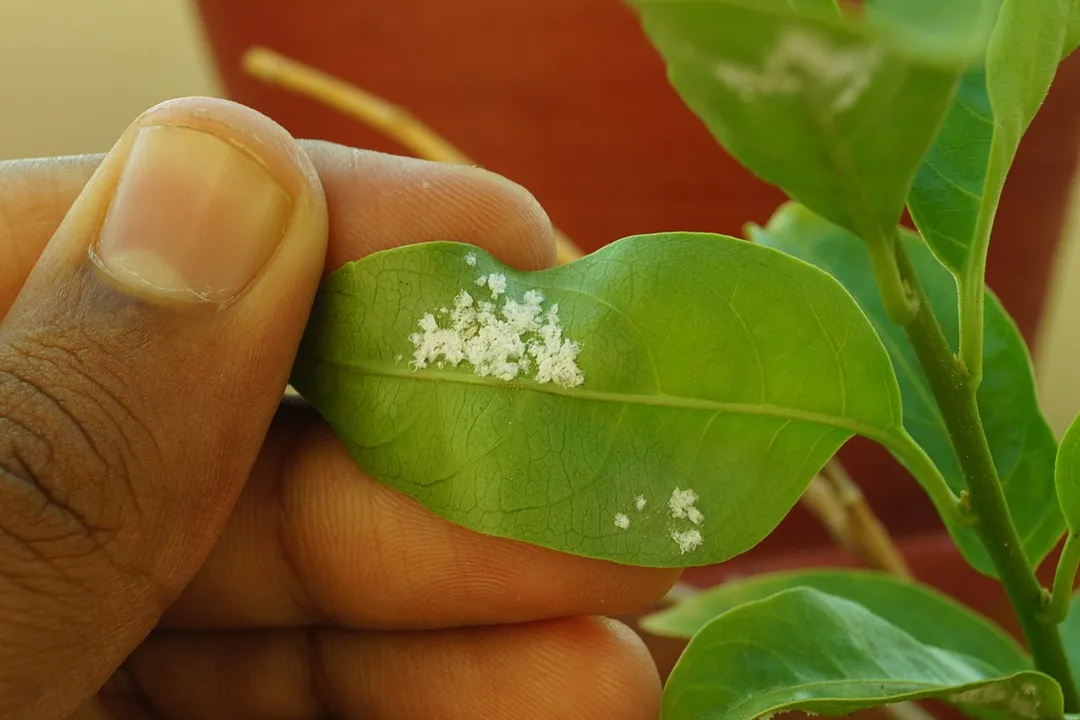
To maximize the effectiveness of chemical treatments, timing is crucial, focusing on the most vulnerable life stages. One optimal time is when nymphs first hatch into crawlers, before they have time to secrete their protective, heavy waxy coating. Another critical window involves targeting the overwintering stem mothers in early spring, applying treatment before they initiate large-scale asexual (parthenogenetic) reproduction, thereby preventing the subsequent explosive population increase that characterizes later outbreaks.
Related Questions
What characteristic feature gives woolly aphids their name?What dual purpose does the white, waxy filament serve for woolly aphids?How do woolly aphid populations typically increase rapidly during the growing season?What characterizes the holocyclic life cycle of the woolly apple aphid?What is a visible result of woolly aphid feeding on the aerial parts of plants?What secondary issue arises on leaves coated in the honeydew excreted by woolly aphids?What specific damage symptom is associated with root-feeding woolly apple aphid forms below ground?What distinctive structure is induced on oak leaves by the feeding activity of the woolly oak aphid?What characteristic of established woolly aphid colonies poses a specific hurdle for topical spray control methods?When is the efficacy of chemical intervention improved by targeting newly hatched crawlers or stem mothers?