Woolly Aphids Locations
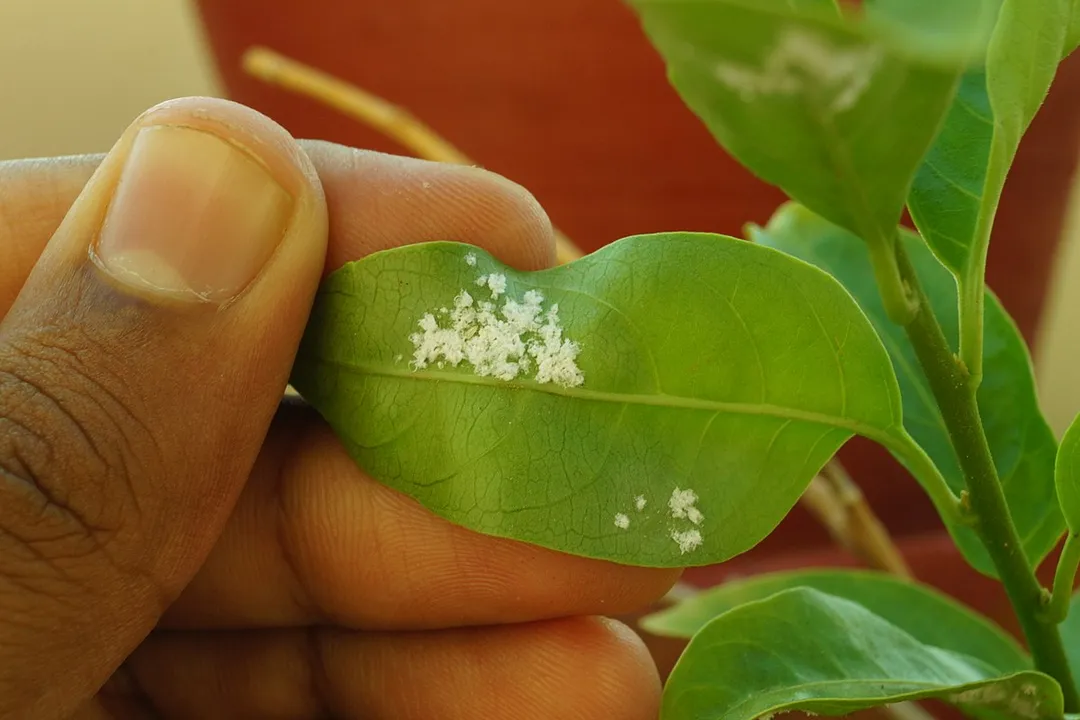
Woolly aphids might look like harmless tufts of cotton clinging to bark or stems, but these tiny insects represent a significant threat to specific host plants, most notably apple trees. [3][5][6][8] Belonging to the subfamily Eriosomatinae, these pests are easily identified by the white, waxy, flocculent material that covers their bodies, a characteristic that helps hide them from predators and the elements. [1][2] Understanding where these creatures congregate is the absolute first step in managing their presence, as their preferred feeding sites can be both highly visible and completely hidden from casual inspection. [2][4]
# Above Ground
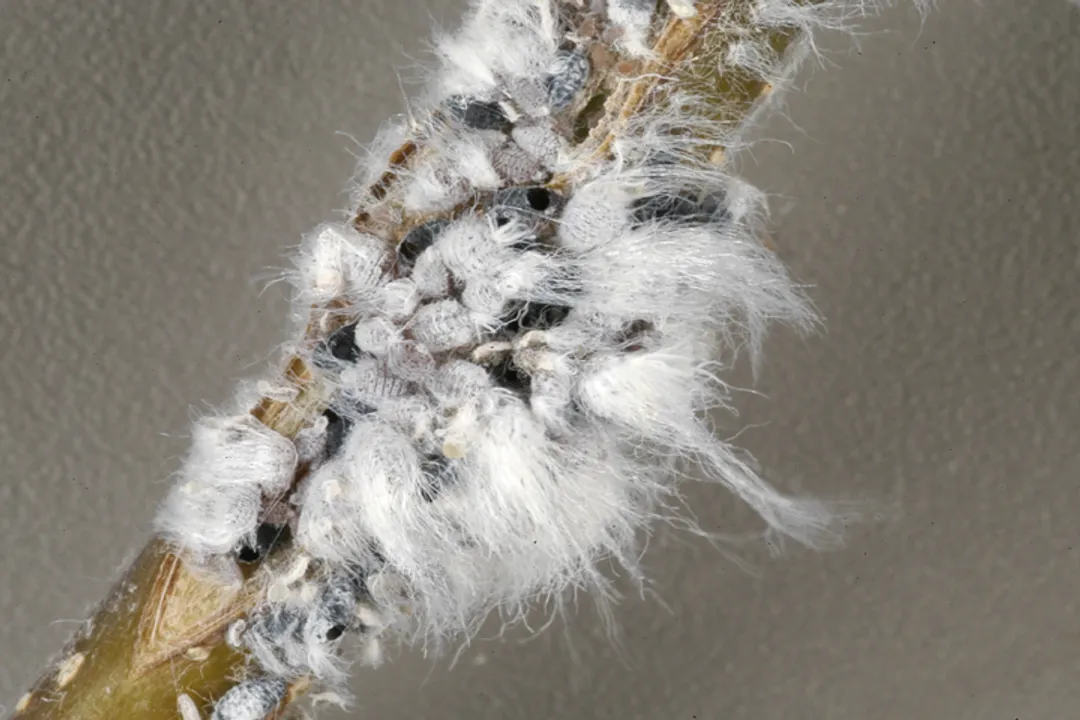
For many growers, the initial signs of a woolly aphid problem manifest above ground, specifically on the woody parts of their host trees. [3] The Woolly Apple Aphid (Eriosoma lanigerum) exhibits a distinct preference for feeding locations on the aerial portions of apple trees, Malus species. [5][6][8] You will frequently find colonies clustered in protected areas: along twigs, in branch crotches where limbs meet the trunk, or sometimes even on the trunk itself. [3][6][5]
A particularly telling location for infestation centers around areas where the tree has suffered previous damage or undergone pruning. The aphids often settle near pruning wounds or wounds caused by broken branches. [3][5] The tendency for infestations to begin around healing tissues suggests a weak point in the plant's defenses that these pests exploit, making detailed inspection of old cuts crucial for early detection, even if the visible infestation remains small initially. These feeding aggregations tap into the tree’s phloem, draining sap and often causing the plant tissue underneath the waxy secretion to become swollen or gall-like. [8] While the white fluff is the most obvious sign, sometimes only reddish or purplish leaf discoloration or stunted growth will alert a gardener that a colony is active nearby. [3]
# Root Habitats
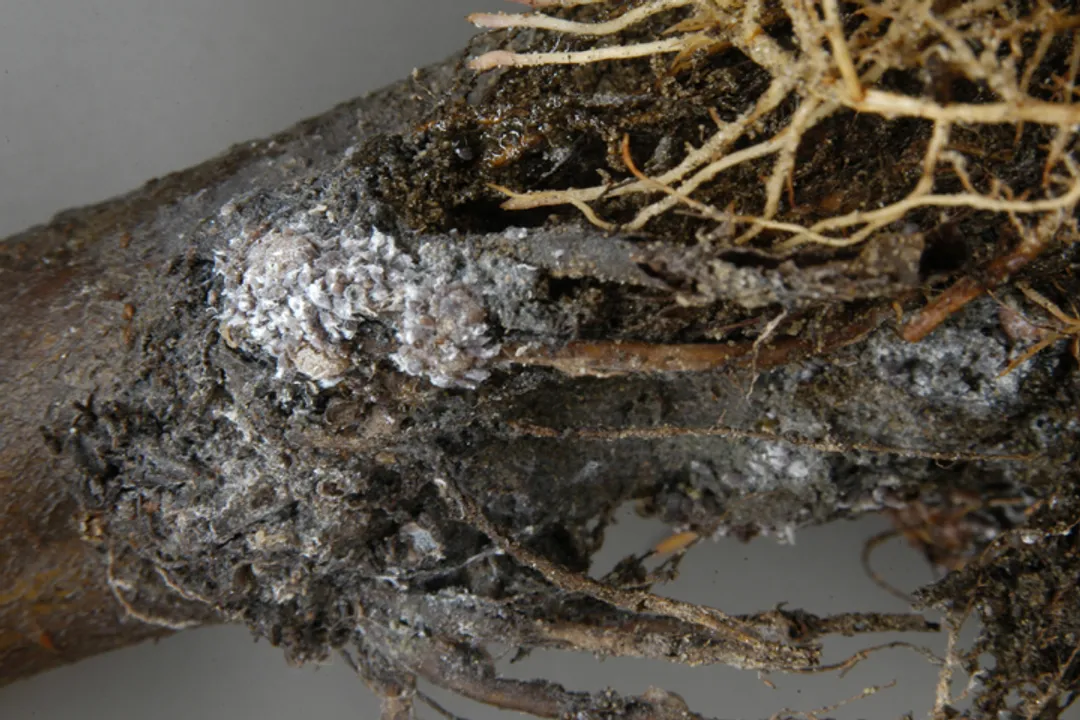
Perhaps the most problematic aspect of woolly aphid location is their dual existence. Once established above ground, the infestation often extends deep into the root systems of the host plant, creating a severe, hidden problem. [3][5][6] The root-feeding colonies of the Woolly Apple Aphid are notoriously difficult to find and manage. [8]
These subterranean populations are found directly on the roots, usually close to the soil line but capable of moving deeper, especially in lighter soils. [3][5][6] Root infestation causes the roots to develop galls, swellings, and eventual decay, which severely compromises the tree’s ability to take up water and nutrients. [3][8] This deep nesting behavior often means that a healthy-looking tree in spring could be slowly dying from root damage sustained the previous year, highlighting that management cannot rely solely on looking at the canopy. [5][6]
# Host Specificity
The location of these aphids is intrinsically tied to their host plant. While the term "woolly aphids" covers various species that infest different woody plants, [2][4] the notorious Woolly Apple Aphid is overwhelmingly associated with the Malus genus, meaning domestic apples and crabapples. [5][6][8] However, reports also indicate that these specialized aphids can sometimes be found on related plants within the Rosaceae family. [5]
It is important for observers to differentiate the site from other common woolly aphids. For instance, the Elm Woolly Aphid, another known member of Eriosomatinae, is found specifically on elms rather than apples. [1] When scouting for infestations, focusing monitoring efforts on known apple orchards or apple trees in mixed landscapes will yield the highest probability of confirming the presence of E. lanigerum. [6][8]
# Dispersal Vectors
To understand their current location, one must consider how they arrived there. Woolly aphids employ specific life cycle stages dedicated to finding new sites. [4][9] The primary method of long-distance movement is via winged forms, known as alates. [4][9] These winged adults typically appear during the latter part of the growing season, often in late summer or early fall, ready to establish new colonies. [9]
These alates are small and easily dispersed by wind currents, allowing them to travel considerable distances to colonize uninfested trees. [9] Once a favorable new spot is located—perhaps a young, tender sucker or a branch next to a primary infestation—the females settle and begin reproducing, often without mating, which leads to rapid local population growth. [4] Furthermore, ants are known to tend to aphid colonies, which can inadvertently aid in the relocation of some aphid forms to new feeding sites or even move them between roots and shoots, although the winged stage is the main driver for dispersal to entirely new plants. [4]
# Visibility and Hidden Colonies
The physical location of woolly aphids is often obscured by their protective covering. The dense, white, waxy filaments—the wool—make it difficult to spot the small, yellowish-brown bodies underneath, especially when the colony is young or small. [2] This camouflage is highly effective against natural predators like lacewing larvae and lady beetles, offering a significant survival advantage. [2]
Accurate location assessment requires parting this woolly mass or looking for evidence of honeydew (a sticky excretion) and subsequent sooty mold growth, although the wool often protects the insect from the worst of the mold's visible effects. [2] The stark difference in effective treatment between above-ground colonies (which respond well to dormant oils or contact sprays targeting the visible fluff) and root colonies (requiring systemic soil applications or specialized root treatments) means that accurate location identification dictates the entire management budget and timeline. If you only treat the visible spots in the crotches, you are leaving the established, damaging root system untouched to re-infest the crown later in the season. [5][6]
# Management and Site Selection
The management strategy employed is entirely dependent on accurately mapping the aphid's location on the host. [8] For the common Woolly Apple Aphid, control measures must address both the above-ground and below-ground populations, necessitating different approaches for each area. [5][6]
For the visible, above-ground sites on branches and twigs, horticultural oils applied when the trees are dormant can smother overwintering eggs or young stem mothers before the season fully begins. [6] Contact sprays during the growing season, while less effective against established, heavily-wooled colonies, might suppress new flyers before they can settle. [4][9]
Controlling the root populations requires a completely different strategy focused on the subterranean location. [3] Systemic insecticides, applied as a soil drench, move through the plant’s vascular system, making the sap toxic to the aphids feeding on the roots. [8] If an infestation is confirmed only in the roots, a foliar spray would be wholly ineffective, wasting product and time. Conversely, spraying the canopy when the root system is the primary reservoir offers no long-term benefit to the tree's overall health and vigor, which is being compromised beneath the soil line. [5][6] Therefore, a proper survey that deliberately checks both the trunk crevices and the area immediately around the base of the tree, looking for signs of decline or the presence of ants, is necessary before selecting a treatment plan.
Related Questions
#Citations
Eriosomatinae - Wikipedia
Woolly aphid: Identification, Care & Tips | RHS Advice
Woolly Aphids | Yard and Garden - Iowa State University
Woolly Apple Aphid | WSU Tree Fruit | Washington State University
[PDF] Woolly Aphids
Tree Fruit Insect Pest - Woolly Apple Aphid - Penn State Extension
Wooly Aphids – Watch Out, They're Here! - About Eating
Woolly Apple Aphid - Utah State University Extension
Why are woolly apple aphids flying around everywhere?