What characterizes the holocyclic life cycle of the woolly apple aphid?
Answer
Requiring two different hosts: a primary woody host and a secondary herbaceous host.
The holocyclic life cycle involves alternation between two distinct host plants to complete the full reproductive sequence. Specifically, species like the woolly apple aphid require a primary woody host, such as apple or pear trees, for one part of their cycle, and then migrate to a secondary, often herbaceous host, frequently an elm species, for the other part. This host alternation is a key feature distinguishing holocyclic species from monoecious species that complete their entire life cycle on one type of plant.
Related Questions
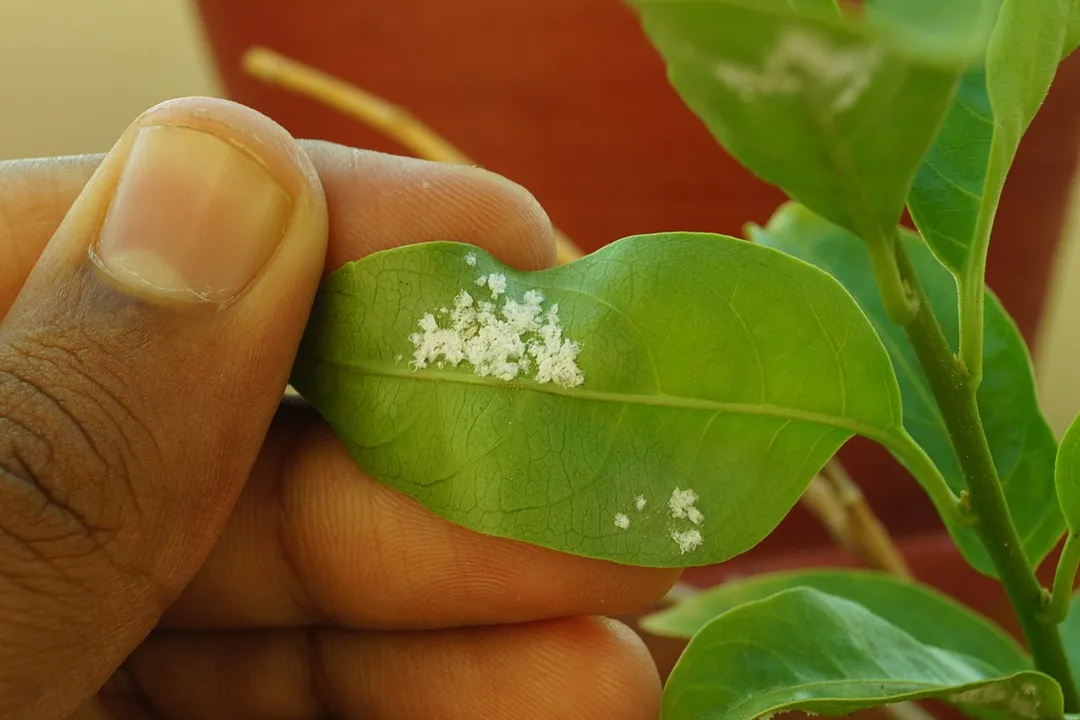
What characteristic feature gives woolly aphids their name?What dual purpose does the white, waxy filament serve for woolly aphids?How do woolly aphid populations typically increase rapidly during the growing season?What characterizes the holocyclic life cycle of the woolly apple aphid?What is a visible result of woolly aphid feeding on the aerial parts of plants?What secondary issue arises on leaves coated in the honeydew excreted by woolly aphids?What specific damage symptom is associated with root-feeding woolly apple aphid forms below ground?What distinctive structure is induced on oak leaves by the feeding activity of the woolly oak aphid?What characteristic of established woolly aphid colonies poses a specific hurdle for topical spray control methods?When is the efficacy of chemical intervention improved by targeting newly hatched crawlers or stem mothers?