Woolly Aphids Scientific Classification
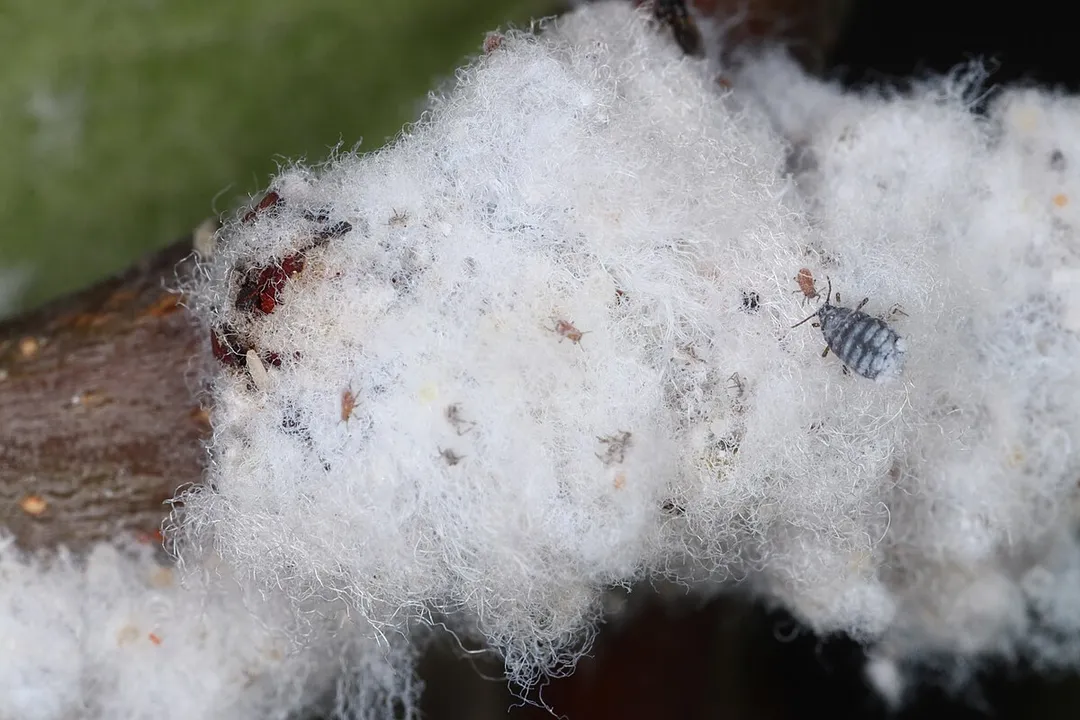
The tiny creature known as the woolly aphid, particularly the species Eriosoma lanigerum, presents a surprisingly complex case study when examining its placement within the biological classification system. While commonly recognized by the dense, white, cotton-like filaments covering its body—a feature that gives it its name, as lanigerum translates to "wool-bearing"—its true identity is revealed through a hierarchical structure stretching from the broadest kingdom down to its specific binomial nomenclature. [1][3] Understanding this classification moves us past simple identification toward appreciating its evolutionary relationships with other insects. [2]
# Taxonomic Ranks
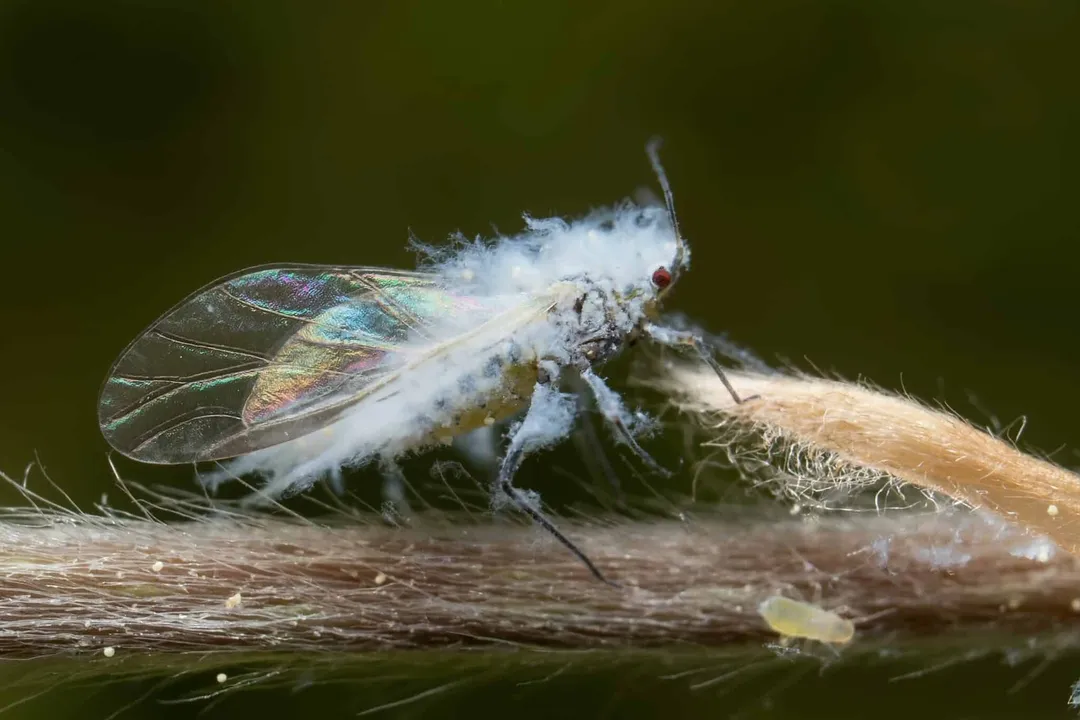
The formal scientific classification provides a precise roadmap for where the woolly apple aphid sits in the tree of life. This system, established by Linnaeus, uses nested categories, moving from general characteristics to highly specific ones. [2] For Eriosoma lanigerum, the hierarchy is established as follows:
- Kingdom: Animalia [2]
- Phylum: Arthropoda [2]
- Class: Insecta [2]
- Order: Hemiptera [2]
- Superorder: Sternorrhyncha [2]
- Family: Aphididae [2]
- Subfamily: Eriosomatinae [2]
- Genus: Eriosoma [1]
- Species: Eriosoma lanigerum [1]
It is helpful to view this progression not just as a list, but as a series of refinements, where each level adds defining characteristics that filter out vast numbers of other life forms. [2]
# Kingdom Animalia
At the broadest level, the woolly aphid is placed in the Kingdom Animalia. [2] This immediately separates it from plants, fungi, and bacteria. Animals are multicellular, eukaryotic organisms that are generally motile and heterotrophic, meaning they must consume other organisms for energy. [2]
# Phylum Arthropoda
Moving down, the aphid belongs to the Phylum Arthropoda. [2] This massive group includes insects, spiders, and crustaceans, all sharing several key features that are evident in the aphid: an exoskeleton, a segmented body, and jointed appendages. [2] The presence of the hard, chitinous external skeleton is fundamental to the success and structure of this entire phylum.
# Class Insecta
Within Arthropoda, the woolly aphid fits neatly into the Class Insecta. [2] This classification confirms the presence of three distinct body parts—head, thorax, and abdomen—and, crucially, three pairs of legs attached to the thorax. [2]
# Order Hemiptera
The Order Hemiptera groups the aphids with what are commonly known as the "true bugs," a category that also includes cicadas, leafhoppers, and scale insects. [2] Insects in this order share a specialized feeding apparatus: a piercing-sucking mouthpart, often referred to as a rostrum or stylet. [2] This physical trait is directly linked to their life as sap-feeders. [5] An interesting point to consider when dealing with heavily infested plants is that the order Hemiptera is phylogenetically distinct from groups like beetles (Coleoptera) or flies (Diptera), indicating that their method of nutrient extraction—inserting fine stylets into phloem tissue—is an ancient and highly specialized evolutionary adaptation. [2]
# Superorder Sternorrhyncha
The placement within the Superorder Sternorrhyncha further refines the evolutionary relationship. [2] This group contains the aphids, scale insects, whiteflies, and mealybugs. What unites them is the structure of their mouthparts, which are typically inserted deep into the plant tissue to reach the nutrient-rich phloem. [2] When you observe the woolly aphid clustered on bark or stems, you are looking at an organism that has evolved specifically to tap into the plant’s circulatory system using these modified mouthparts. [5]
# Family Aphididae
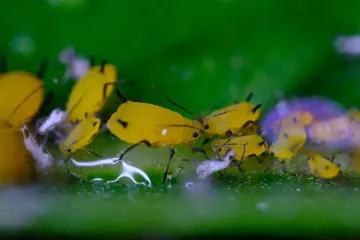
The Family Aphididae is the true home of the aphids. [2] This family is characterized by small, soft-bodied insects that reproduce rapidly, often parthenogenetically (asexually) for much of their life cycle. [2] While many aphids are pests, the sheer diversity within Aphididae means that some species are beneficial predators of other insects. [2] The woolly aphid’s membership here signals its sedentary adult form and reproductive strategy. [2]
# Subfamily Eriosomatinae
This is where the "woolly" characteristic begins to manifest in the classification. The Subfamily Eriosomatinae is specifically designated for aphids that produce waxy, woolly secretions. [2] This protective coating serves multiple functions: it deters predators and helps shield the colonies from environmental stress and perhaps even contact with certain systemic pesticides. [2] Other members of this subfamily might infest roots or gall-forming structures, showing that the tendency toward producing heavy wax is a shared trait within this specific lineage. [2]
# Genus and Species
Finally, we arrive at the binomial name: Eriosoma lanigerum. [1] The genus Eriosoma separates these woolly aphids from others that may secrete less prominent wax or display different life cycle characteristics. [1] The species epithet, lanigerum, directly references the most obvious feature: the woolly covering. [1] The common name, the woolly apple aphid, stems directly from this scientific nomenclature and the host plants it typically attacks, such as apple, pear, and hawthorn. [5][1]
# Etymology and Morphology Link
The descriptive nature of the scientific name is a gift to observers. The term lanigerum ("wool-bearing") clearly signals the primary visual identifier, which is the copious white, waxy fluff that encases the colonies. [1][3] This secretion can be particularly dense around branch crotches, wounds, or suckers on the tree trunk. [5] It is fascinating to note how closely the Linnaean system ties descriptive Latin to the observable morphology, even centuries later. [1]
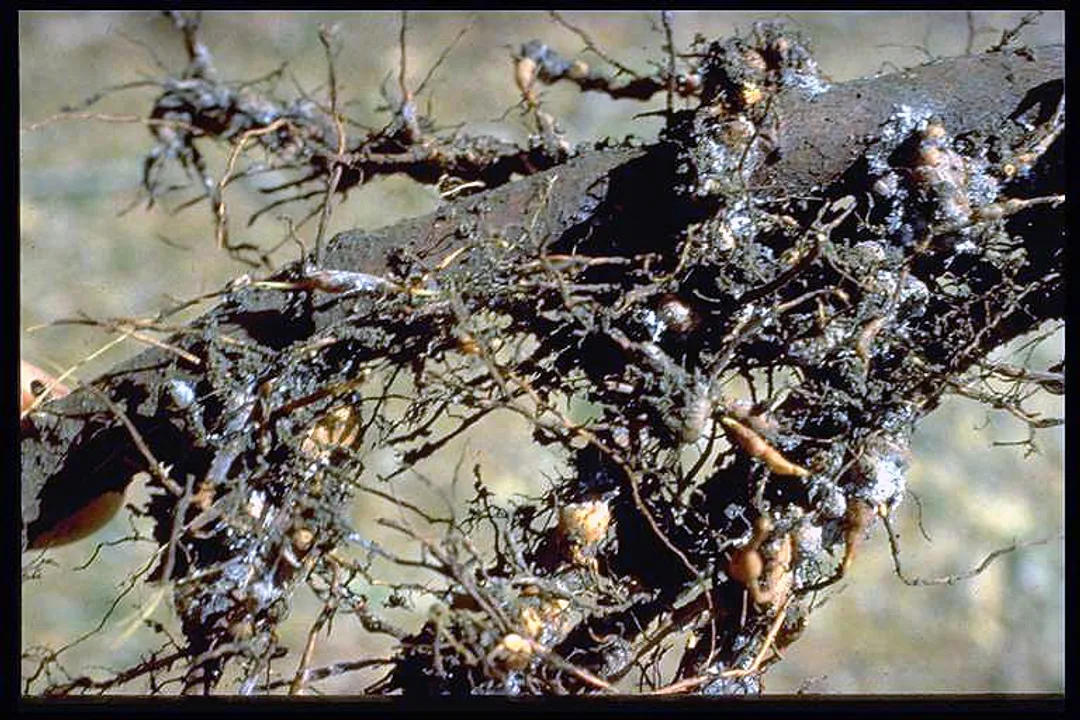
This classification underscores a vital, actionable insight for anyone monitoring infested orchards or home trees. Since the Eriosomatinae subfamily includes species that infest roots (like the related Eriosoma crataegi or similar root-feeding aphids), a thorough management check should not stop at the visible aerial colonies. [2][5] If aerial treatments fail to control an infestation, inspecting the root crown area just below the soil line for similar white woolly masses is a necessary diagnostic step, recognizing that the entire genus may exhibit this dual habitat preference. [1][5] The classification points toward an ancestral trait that may persist across different life stages or micro-habitats within the species complex.
# Contrasting Classifications
While Eriosoma lanigerum is definitively classified, it is useful to contrast it briefly with a different insect to solidify the importance of the higher ranks. For instance, a beneficial lady beetle, a natural predator of this aphid, would also be in the Kingdom Animalia, Phylum Arthropoda, and Class Insecta, but it would diverge at the Order level, belonging to Coleoptera (beetles) instead of Hemiptera (true bugs). [2] This distinction in Order immediately signals differences in mouthpart structure (chewing vs. piercing-sucking) and life cycle (complete metamorphosis vs. incomplete metamorphosis), explaining why the beetle actively seeks and consumes the aphid, rather than competing with it for sap. [2] The aphid’s position in Sternorrhyncha confirms its lifestyle as a specialized plant parasite, fundamentally different from its insect predators. [2]
The scientific classification, therefore, is not merely an abstract filing system; it is a direct reflection of the woolly aphid’s biology, feeding strategy, and protective adaptations, allowing entomologists and growers alike to predict its behavior and manage its impact based on its evolutionary relatives. [2][5]
Related Questions
#Citations
Eriosoma lanigerum - Wikipedia
Woolly Aphids Insect Facts - Eriosoma lanigerum - A-Z Animals
woolly apple aphid (Eriosoma lanigerum (Hausmann, 1802))
Wooly Apple Aphid - Field Guide to Common Texas Insects
woolly apple aphid (Eriosoma lanigerum (Hausmann, 1802))
Subfamily Eriosomatinae - Woolly Aphids and Gall-making Aphids
woolly aphids (Genus Prociphilus Koch, 1857) - EDDMapS
Woolly Apple Aphid - Eriosoma lanigerum - NatureSpot