Yellow Aphids Facts
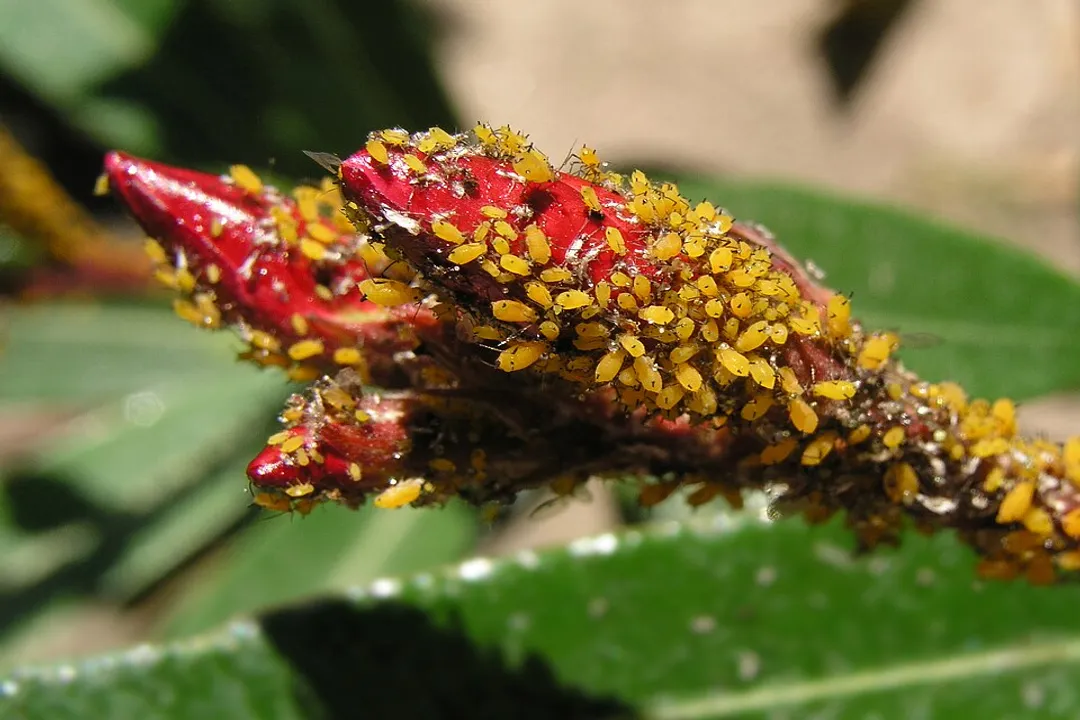
The term "yellow aphids" might bring to mind a single, uniform garden nuisance, but the reality is often more complex, especially when dealing with pests across different landscapes and crops. In many settings, this description points directly to the Oleander aphid, Aphis nerii Boyer de Fonscolombe. This insect is unmistakable thanks to its striking, bright lemon yellow coloration. However, in agricultural contexts, like commercial pecan orchards, a "yellow aphid complex" involving distinct species must be considered. A thorough understanding of these tiny sap-suckers requires looking beyond their cheerful color to their specialized diets, unique biology, and defense mechanisms.
# Distinctive Look
The Oleander aphid is readily identifiable, even for those without specialist entomological training, due to its high contrast markings. While the body is a vibrant yellow, the appendages—specifically the legs, antennae, and the siphunculi (the twin tubes near the rear of the abdomen used for excretion)—are dusky or black. Wingless adult females, which are most commonly observed, measure between 1.5 and 2.6 millimeters in length. They also feature a black structure at the rear tip of the abdomen called the cauda.
Winged adults, known as alatae, appear under certain conditions, such as when colonies become too dense. These winged forms are often more distinctly black and yellow, featuring dark wing veins and black markings on the head and thorax (the middle body section). Nymphs resemble smaller versions of the wingless adults, progressing through four stages before molting into maturity.
When one encounters yellow aphids in a pecan grove, the identification requires a closer look than simply noting the color. The Yellow Aphid Complex includes species like the black margined aphid (Monellia caryella) and the yellow pecan aphid (Monelliopsis pecanis). While both are yellow with black markings, the yellow pecan aphid is characterized by long setae (hairs) that stick out from the body at sharp angles, giving a somewhat "pincushion" appearance, which is not characteristic of the Oleander aphid. Furthermore, the yellow pecan aphid has red eyes, a feature that helps distinguish it when scouting for this complex.
# Host Preference
The dietary habits of yellow aphids are highly specific, which dictates where you are most likely to find them infesting plants. Aphis nerii, the Oleander aphid, shows a strong preference for plants belonging to the dogbane family, Apocynaceae, and the closely related milkweed family, Asclepiadaceae.
The namesake host is Nerium oleander, or common oleander. Other common garden and landscape hosts include various milkweeds (Asclepias spp.), such as butterfly weed and scarlet milkweed, as well as Vinca, Gomphocarpus (Swan plant), and Hoya carnosa (wax plant). For example, in Central Texas, these aphids are frequently observed clustering on tropical milkweed (Asclepias curassavica).
Interestingly, Aphis nerii can occasionally be found feeding on unrelated plants, including members of the daisy, bindweed, and spurge families, and has even been recorded on citrus, though these occurrences are less common than feeding on its primary hosts.
In contrast, the yellow aphids found in pecan production systems restrict their feeding primarily to the underside of pecan leaves, targeting either the major leaflet veins (M. caryella) or the fine network of veins throughout the leaf lamina (M. pecanis). This difference in host specialization means that a gardener treating a toxic oleander shrub is managing a different pest profile than an orchard manager monitoring thresholds on pecan trees.
# Life Cycle Speed
Yellow aphids, particularly A. nerii, exhibit a reproductive strategy that enables them to build massive colonies in very short periods. They are parthenogenetic and viviparous. This means that all individuals observed in the wild are female, and they reproduce asexually by giving birth to live young (nymphs) rather than laying eggs. Since sexual reproduction is unnecessary, a single female can rapidly found and sustain an entire colony.
The lifespan for these insects is short, often lasting only about one month, which necessitates this fast-paced reproduction to ensure generational success. Nymphs, after hatching, undergo five molts to reach maturity. Under favorable, warm conditions, this entire process happens quickly, leading to a surge in population density. When populations become too crowded, or if the host plant begins to decline, a portion of the developing nymphs will transition into the winged adult form, allowing them to disperse and colonize new plants. The ability of A. nerii to reproduce year-round in tropical or warm temperate zones, unlike many other aphid species that peak in cooler spring or fall weather, contributes to their persistent nature in those climates.
# Defense Chemistry
One of the most fascinating facts about the Oleander aphid is its incorporation of plant toxins for self-defense. Because its primary hosts, oleander and milkweeds, contain potent defensive compounds known as cardenolide glycosides (which function as cardiac poisons), the aphids sequester these chemicals into their bodies.
This toxicity is advertised through their bright yellow color, which serves as an aposematic or warning signal to potential predators. Furthermore, the aphids fortify the sugary substance excreted from their siphuncles, the honeydew, with these bitter chemicals. This chemical defense is quite effective against certain threats, such as some species of spiders, which reportedly retreat and begin cleaning themselves immediately after coming into contact with the secretion. However, this chemical shield does not deter all natural enemies, as specialized parasitoid wasps and generalist predators often continue to attack them.
# Colony Damage
The primary consequence of an aphid infestation is the continuous draining of plant sap from the phloem, the sugary transport tissue. While this feeding can directly cause deformed new growth or stunt overall plant vigor, especially under heavy, continuous pressure, the most visible damage is usually indirect.
Aphids excrete excess water and sugar as honeydew, a sticky, sweet substance that coats the leaves, stems, and anything beneath the plant. This sticky coating is an ideal substrate for the growth of sooty mold, a dark fungus that disfigures the plant, making it appear black and dirty. This layer of mold can further reduce the leaf's ability to photosynthesize efficiently, compounding the stress caused by the sap extraction.
Beyond the cosmetic and growth impacts, A. nerii serves as a vector for several plant viruses, including the Papaya Ringspot Potyvirus and Cucumber Mosaic Virus. For ornamental growers or home gardeners focused on butterfly waystations, this viral transmission potential is a significant, albeit invisible, threat alongside the messy honeydew. For pecan growers, honeydew accumulation serves as a key trigger for management action, as it directly impacts nut quality and tree health.
# Managing the Yellow Presence
Dealing with yellow aphids requires tailored strategies, considering whether the insect is the specialist A. nerii or one of the pecan pests.
# Natural Checks
Nature provides several built-in methods for keeping aphid numbers in check, assuming the ecosystem is balanced.
- Parasitoids: A key biological control agent for A. nerii is the parasitic wasp, Lysiphlebus testaceipes. The female wasp injects an egg into an immature aphid. The developing wasp larva consumes the host from the inside out, causing the aphid's body to swell and harden into a characteristic brown, papery casing known as a mummy.
- Predators: Various beneficial insects actively prey upon yellow aphids. These include larvae and adults of lady beetles, such as the Yellow shouldered ladybird (Apolinus lividigaster) and the Variable ladybird (Coelophora inaequalis). Larvae of Syrphid flies (hoverflies) and Lacewings are also effective predators.
- Fungal Pathogens: In some regions, a fungus called Cephalosporium lecanii can infect and rapidly decrease aphid populations.
It is important to note the dynamic between ants and aphids. Ants are often attracted to the honeydew and will actively tend and protect aphid colonies from predators and parasitoids, effectively acting as aphid "herders". Disruption of this symbiotic relationship can sometimes aid in control efforts.
# Actionable Control Steps
When intervention is necessary, management should prioritize methods that minimize harm to these natural enemies, especially when treating plants grown for wildlife benefit, such as milkweed for monarchs.
- Physical Removal: For small infestations or localized cosmetic issues on shrubs like oleander, a strong, direct stream of water can dislodge aphids. This is effective for immediate, localized clearing, though it is only a temporary fix as the aphids can easily crawl back or fly in.
- Cultural Adjustments: Because Oleander aphids favor tender, succulent new growth, reducing nitrogen fertilizer, excessive watering, and pruning back overly vigorous shoots can make the plant less attractive to initial colonization.
- Soft Chemistry: Insecticidal soaps or horticultural oils are highly recommended options for home landscapes. They are effective against soft-bodied insects like aphids, work via contact, and are generally considered less disruptive to beneficial insects compared to broad-spectrum synthetic insecticides. However, applications must be done carefully—thorough watering beforehand and application in the cooler parts of the day (early morning or late evening) are advised to prevent leaf burn.
- Pecan Thresholds: In commercial pecan settings, control hinges on specific economic thresholds that vary throughout the season, such as applying insecticide if the count exceeds an average of 20 per compound leaf between June 1 and August 15. Furthermore, resistance management becomes critical here, advising growers to rotate insecticides with different Mode-of-Action Group Numbers to maintain long-term effectiveness.
If we synthesize the management approach, a gardener scouting their plants can adopt a triage system. For a few bright yellow specks on a prized oleander, water is a good first choice. If the honeydew and sooty mold are starting to look unsightly, a gentle, targeted spray of insecticidal soap offers control while likely sparing the resident wasp population. Only when the infestation compromises the plant's health significantly, or if the aphid is resistant to natural controls (as A. nerii's chemical defenses allow it to evade some predators), should more serious chemical options be considered. This tiered approach respects the complexity of the insect's ecology while addressing human aesthetic concerns.
# Global Context
The Oleander aphid is considered cosmopolitan, meaning it is found across the globe in tropical to warm temperate climates. It is believed to have spread outwards from the Mediterranean region, the native home of the oleander plant. While thriving across much of the world, even in places like New Zealand, where it is considered a pest of Swan plants, its presence is sometimes limited by climate—in cooler areas like Poland, it might only be found inside a glasshouse. Conversely, in locations like London, small, persistent populations can still establish themselves outdoors. This global distribution, often following the cultivation of its favored hosts, highlights how easily ornamental plants can act as vehicles for pest introduction and establishment.
Related Questions
#Citations
Oleander Aphid, Aphis nerii Boyer de Fonscolombe ... - UF/IFAS EDIS
Oleander Aphid - Field Guide to Common Texas Insects
Aphids, Host Preference, and Plant Taxonomy - | BYGL
Yellow Aphids Facts & Photos | Wowzerful
Oleander Aphid | NC State Extension Publications
Oleander Aphids - Texas Master Naturalist
Yellow Aphid Complex / Pecan / Agriculture - UC IPM
Oleander aphid - Aphis nerii - Interesting Insects
Aphis nerii - Wikipedia