Woolly Aphids Physical Characteristics
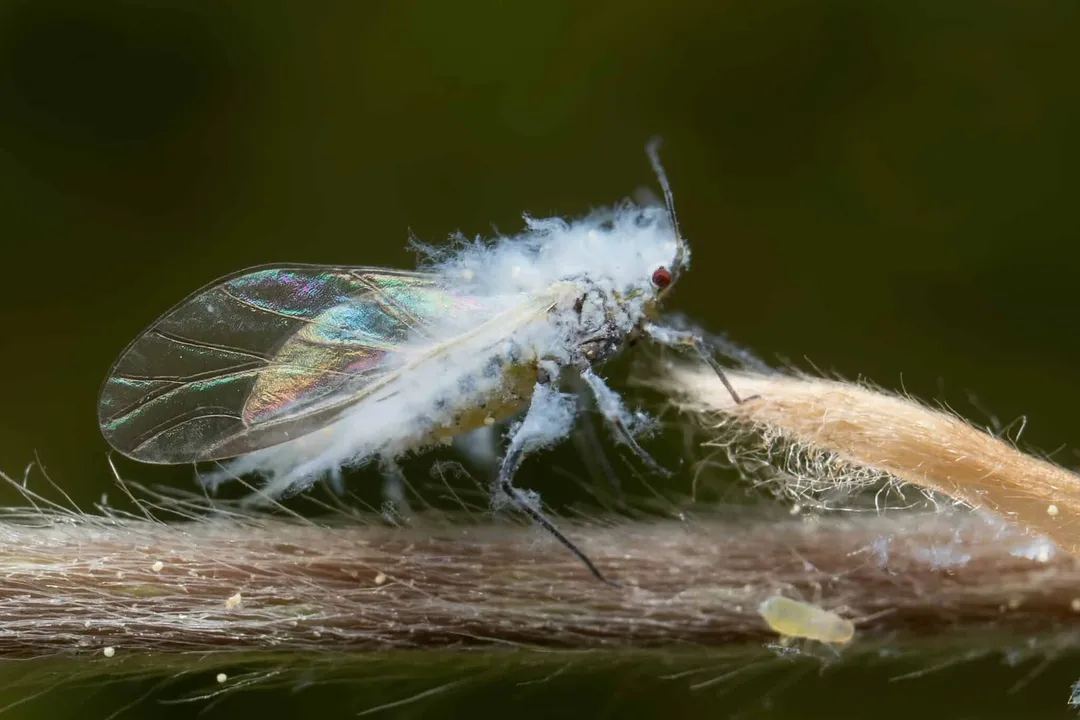
The visual presentation of a woolly aphid colony often causes more alarm than the appearance of a single insect. What initially catches the eye is rarely the aphid itself, but rather the distinctive, cotton-like fluff it generates. This material, which gives the insect its common name, is a waxy secretion produced by the aphid, covering its body and that of its nearest neighbors. [3][4] When these insects gather in large numbers, this white, fibrous mass can look remarkably like small tufts of lint, cotton balls, or even a sign of mold or fungal growth on the bark or branches of affected plants. [6][9]
# Waxy Filaments
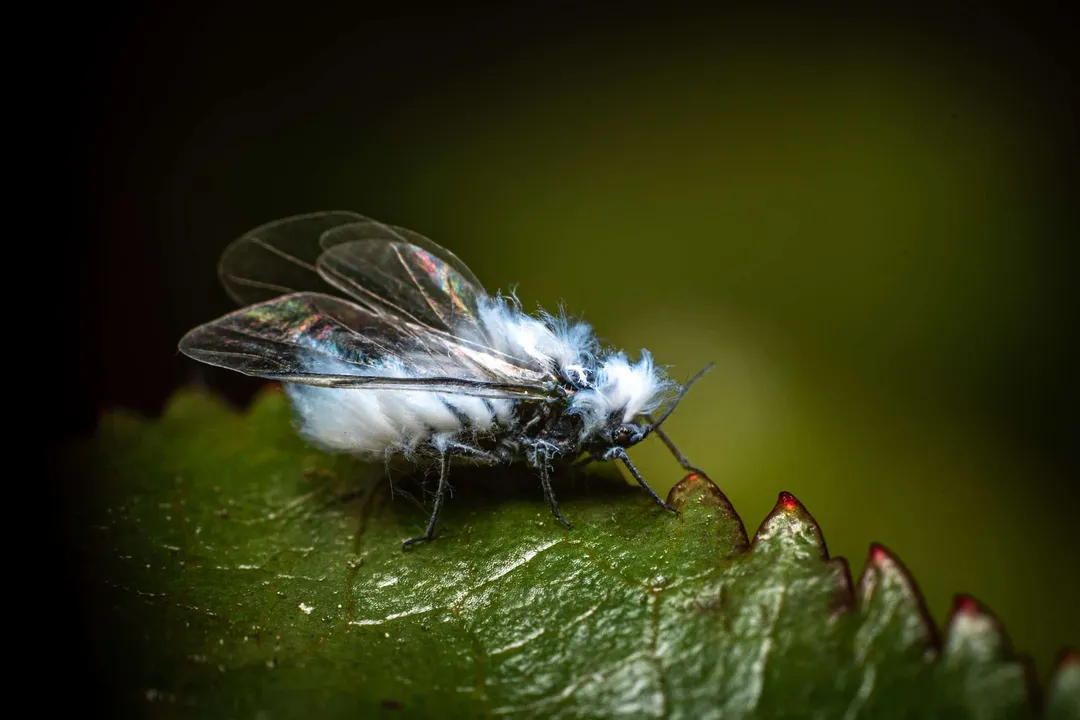
The defining physical characteristic of these pests, belonging to the subfamily Eriosomatinae, is this external layer of wax. [2] This coating is not just a visual marker; it serves a critical protective function for the small insect beneath. [4] The filaments are created as the aphid feeds, appearing as a fluffy, white substance that obscures the actual body structure. [7] For the gardener or tree owner, this woolly covering presents a significant challenge when attempting pest control. Because the wax covers the aphid's exterior, common contact insecticides struggle to reach the insect's body surface effectively, essentially providing the colony with a built-in shield. [4] Considering this defensive benefit, it’s interesting to note that while the wax aids survival against chemical sprays, its high contrast against plant material—dark bodies on green leaves or brown bark—makes the colony highly conspicuous to a keen-eyed observer or to beneficial predators that rely on visual cues. [1][5]
# Insect Body
Beneath the protective covering, the woolly aphid is a true aphid, though its exact size and hue are specific. Adult specimens are quite small, typically measuring around of an inch in length. [1][5][8] Converting that to metric, this equates to approximately $1.5$ to $2.5$ millimeters. [7] Despite the common description of their collective appearance, the body color of an individual woolly aphid is quite dark. [4][8] Sources indicate that the actual body coloration ranges from a reddish-brown to a purplish-black or simply dark gray. [1][4][5] This dark core is often partially or entirely obscured by the waxy secretion. [7]
In terms of general insect anatomy, the aphids possess the standard features expected of their order, although these are often hidden by the wax. They are noted to have relatively long antennae and legs compared to some other aphid species. [1] Nymphs, the immature stages, are very similar to the adults in appearance, covered in the same waxy filaments, leading to the entire feeding cluster appearing uniformly fuzzy and white. [1][5]
# Colony Appearance
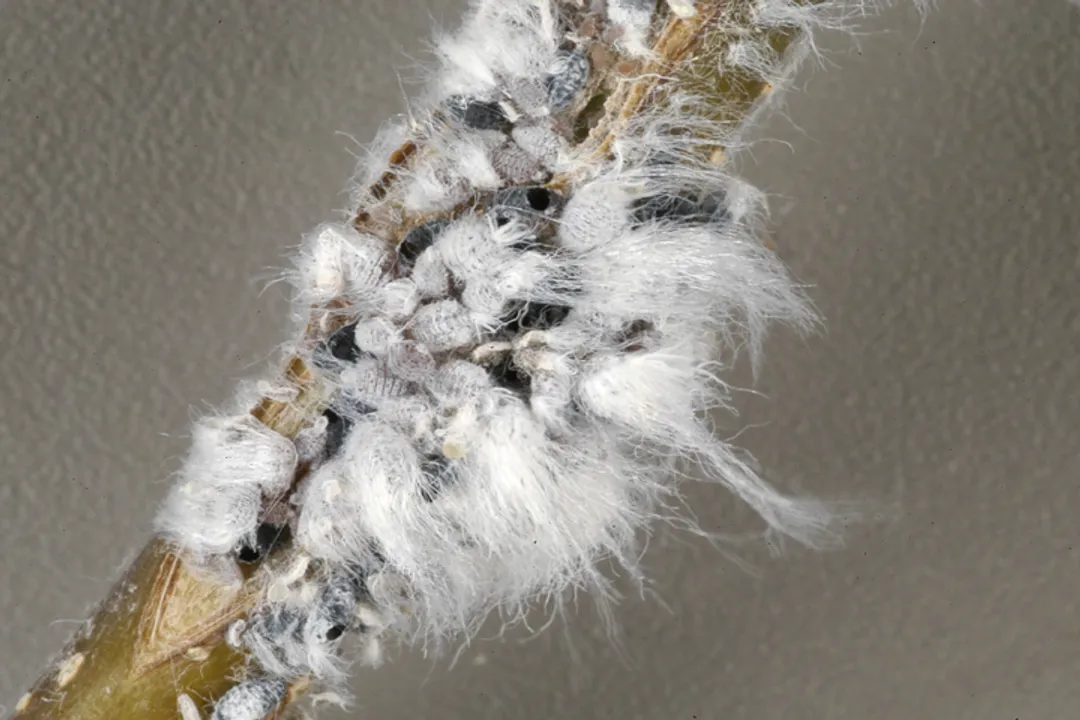
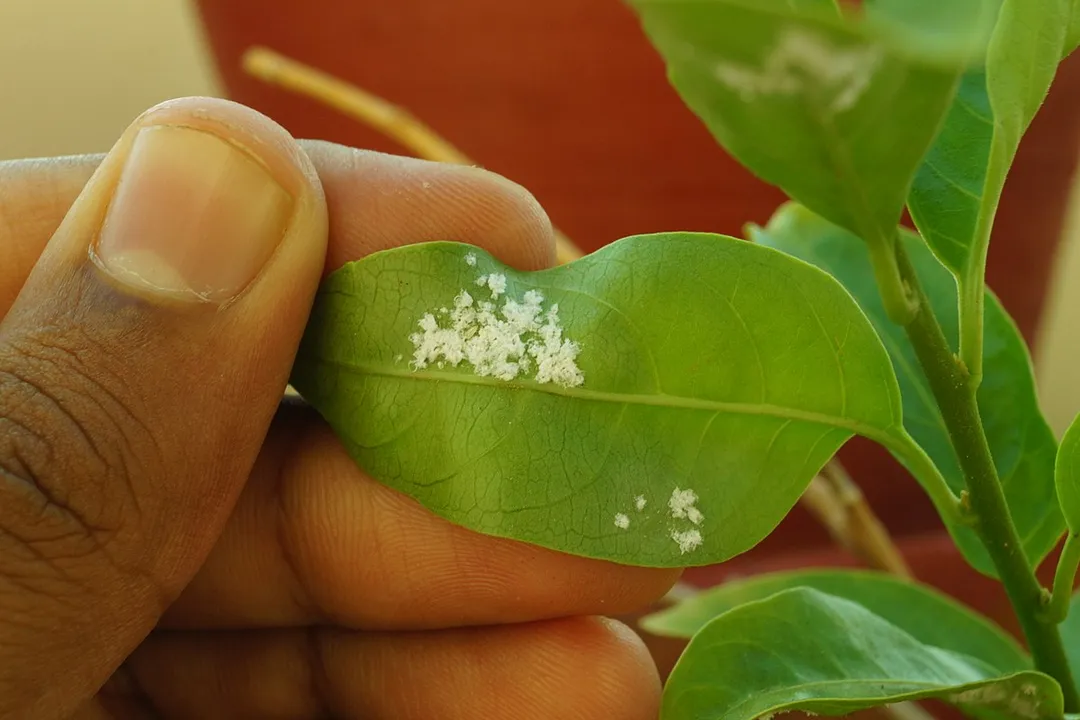
Woolly aphids rarely exist as solitary individuals; their most characteristic physical expression is seen when they aggregate. [5] They tend to cluster together on host plants, often near feeding sites such as young twigs, branches, or sometimes on roots, depending on the specific species. [5][8] When these clusters form dense aggregations, the combined effect of the white waxy filaments creates the prominent, noticeable mass that characterizes an infestation. [6]
To put the scale into perspective, if one were to carefully remove the waxy filaments from a single adult aphid measuring about of an inch, the insect itself is tiny. However, a dense, established colony can cover a significant area of bark or stem tissue, making the visible white mass several times larger than the combined surface area of the thousands of minute bodies residing within it. This disparity between the insect's actual size and the size of the visible infestation is a key physical characteristic of their presence. [7]
When distinguishing between the different life stages within a mass, the visual cues remain largely consistent. Both nymphs and adults are enveloped in the wax. [1] While winged forms do exist in some species or under certain environmental pressures, the vast majority of the visible, actively feeding colony will consist of wingless nymphs and stem mothers, all sharing that characteristic fuzzy, white exterior. [5] The waxy material itself is generally described as being produced continuously, helping to build up the voluminous, cottony appearance over time as the colony matures. [3]
# Identification Nuances
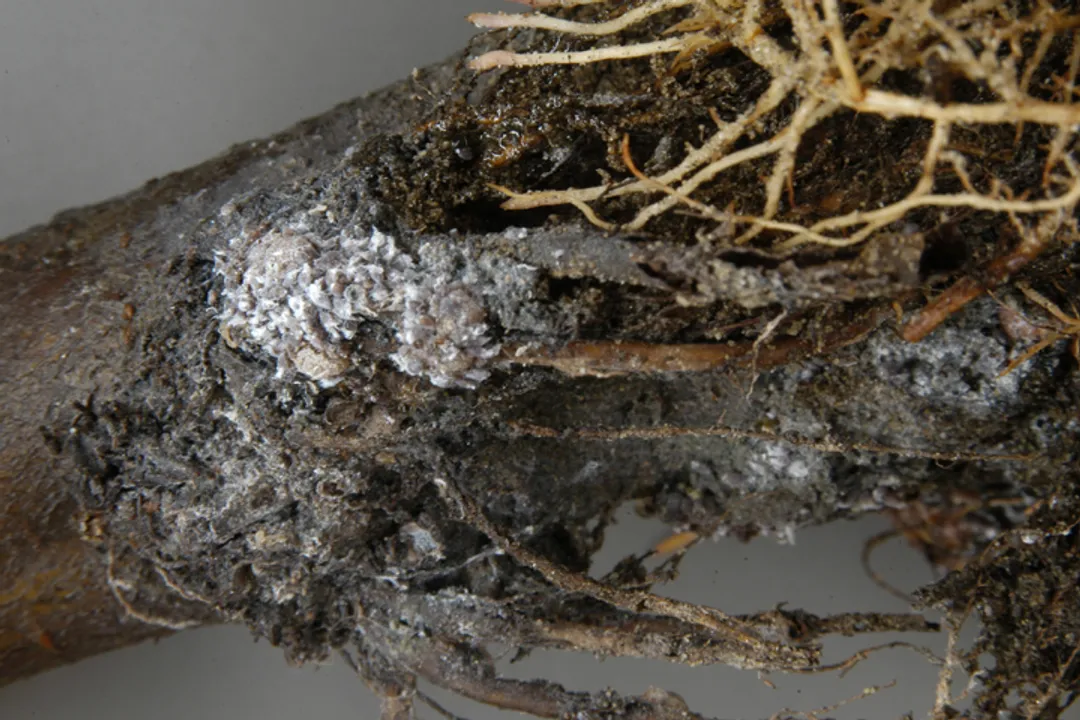
For someone observing an unknown infestation, understanding the specific look of the woolly aphid versus other white, fuzzy pests is important. The description consistently points toward a fluffy or cottony texture rather than a powdery one, like that found on mealybugs, although both secrete wax. [2][3] The woolly aphid's wax tends to be longer and more thread-like, creating distinct filaments that move slightly in the breeze, differentiating it from the flatter, more scale-like coating of other pests. [1] The dark body color showing through the sparse areas of wax confirms the identification, as many other common white pests are entirely pale or translucent. The presence of distinct, elongated, waxy filaments covering small, dark-bodied insects clustered on woody growth is the signature physical trait of the woolly aphid. [1][8] This reliance on external secretion for camouflage and defense means that physically examining the insect requires careful handling to brush away the protective layer and observe the true, small, dark insect underneath. [4]
Related Questions
#Citations
Trees and Shrubs: Invertebrates: Woolly Aphids—UC IPM
Eriosomatinae - Wikipedia
Woolly aphid: Identification, Care & Tips | RHS Advice
Woolly Aphids | Yard and Garden - Iowa State University
Woolly Apple Aphid | WSU Tree Fruit | Washington State University
This cotton-like white mass is actually a gathering of woolly aphids ...
Woolly Aphids Insect Facts - Eriosoma lanigerum - A-Z Animals
Tree Fruit Insect Pest - Woolly Apple Aphid - Penn State Extension
Woolly aphids look like lint and they're all over Alabama. What to know