What distinctive structure is induced on oak leaves by the feeding activity of the woolly oak aphid?
Answer
Leaf galls, which are abnormal tissue growths.
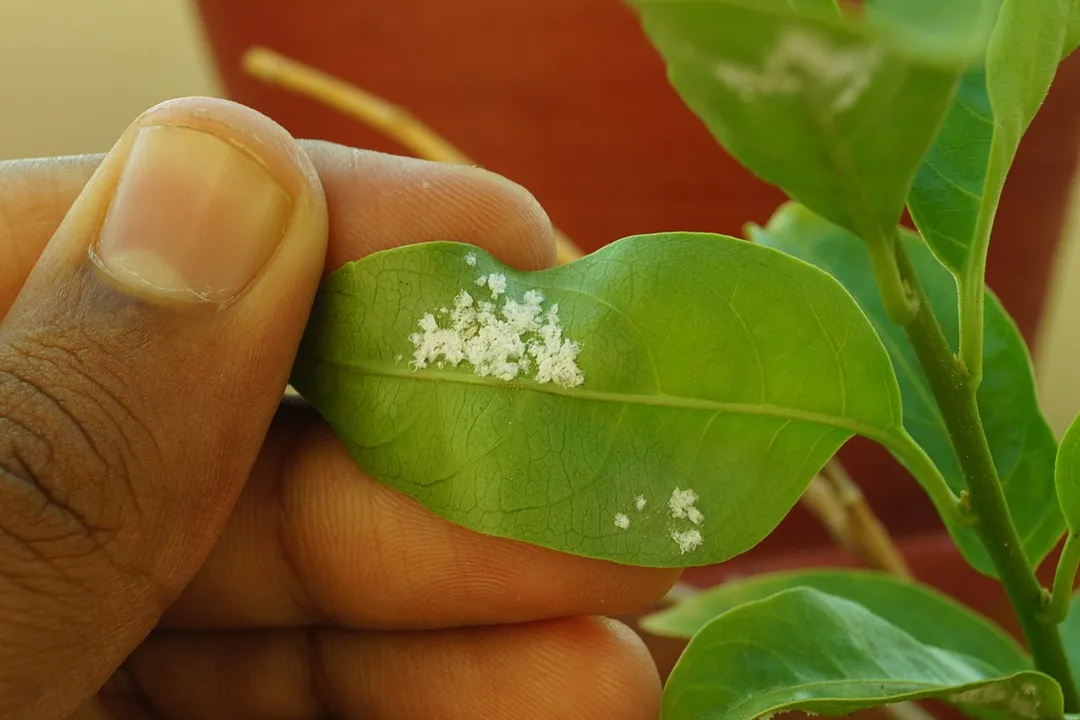
The feeding activity of the woolly oak aphid (*Stegopterna dentata*) on oak trees specifically triggers the development of leaf galls. These galls are abnormal growths of plant tissue, likely caused by growth-regulating substances injected by the aphid during feeding. These localized tissue expansions consume the tree's resources, and if an infestation is particularly heavy across the canopy, the resulting stress can sometimes lead to the premature dropping of the affected leaves.
Related Questions
What characteristic feature gives woolly aphids their name?What dual purpose does the white, waxy filament serve for woolly aphids?How do woolly aphid populations typically increase rapidly during the growing season?What characterizes the holocyclic life cycle of the woolly apple aphid?What is a visible result of woolly aphid feeding on the aerial parts of plants?What secondary issue arises on leaves coated in the honeydew excreted by woolly aphids?What specific damage symptom is associated with root-feeding woolly apple aphid forms below ground?What distinctive structure is induced on oak leaves by the feeding activity of the woolly oak aphid?What characteristic of established woolly aphid colonies poses a specific hurdle for topical spray control methods?When is the efficacy of chemical intervention improved by targeting newly hatched crawlers or stem mothers?