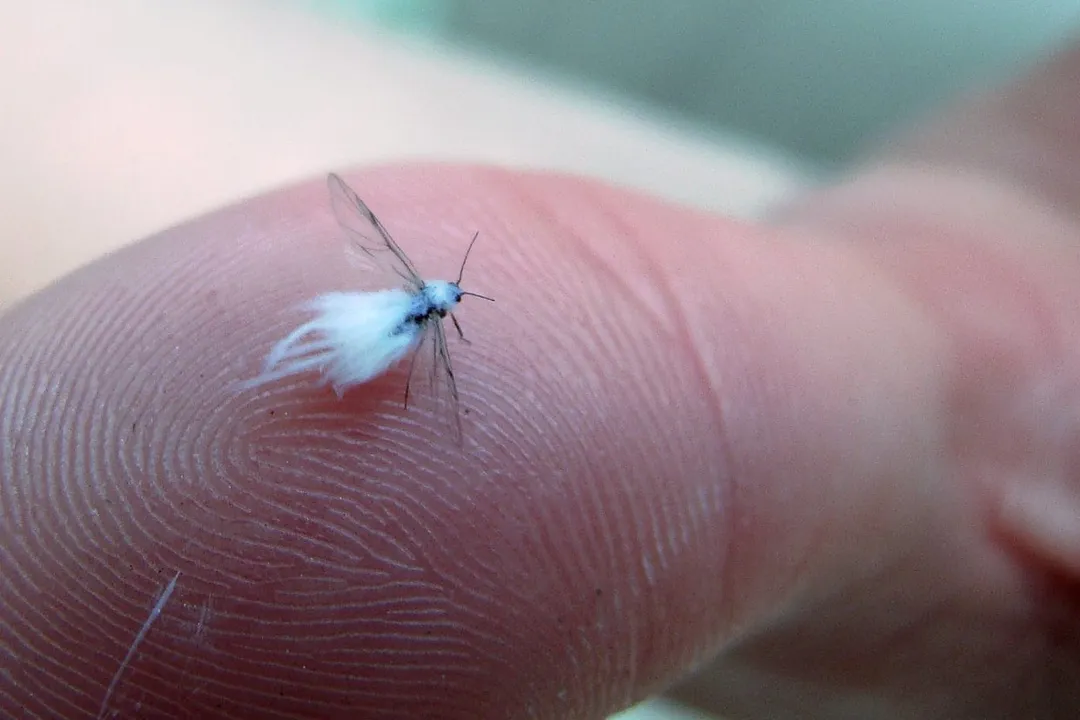
What is the foundation of rapid population expansion in woolly aphids during active seasons?
Asexual reproduction via parthenogenesis
The explosive growth seen in woolly aphid populations when resources are abundant relies fundamentally on asexual reproduction, specifically a process known as parthenogenesis. This method allows females to produce offspring that are genetically identical clones of themselves without requiring fertilization. Compounding this efficiency, most aphids exhibit viviparity during the growing season, meaning they give birth to live nymphs that are already developing, bypassing the need to lay eggs first. This combination means a female can begin reproducing almost immediately upon maturity, leading to exponential population increases perfectly timed to exploit a fresh resource flush, such as new apple growth, ensuring immediate adaptation to current conditions.