Woolly Aphids Diet
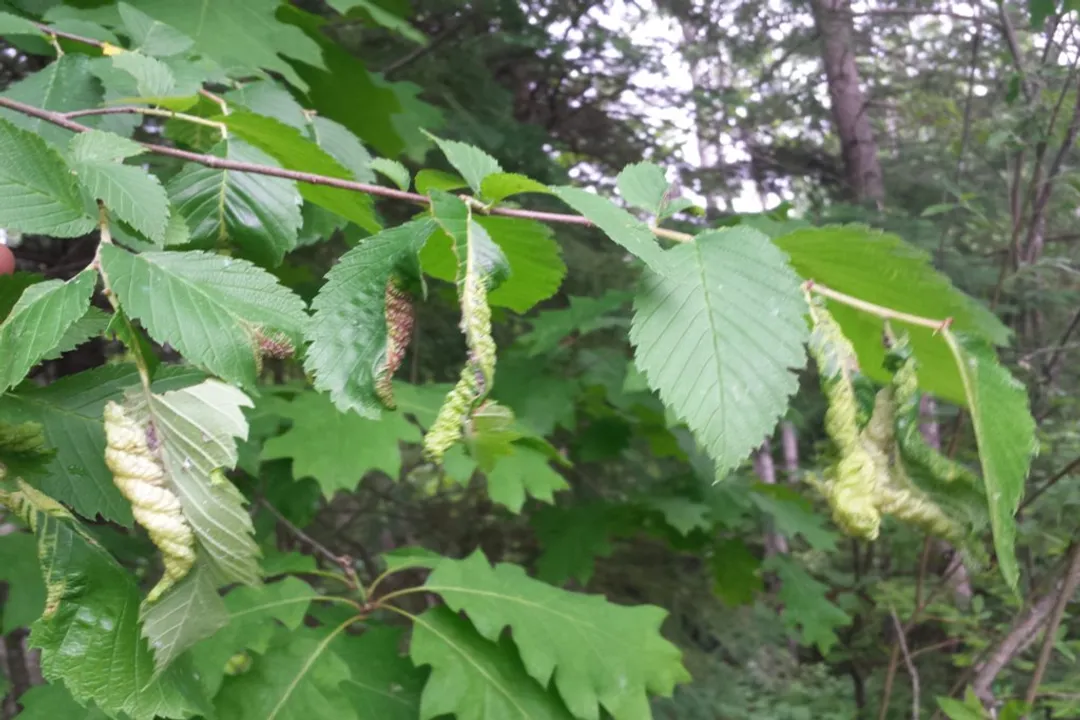
Woolly aphids belong to the subfamily Eriosomatinae, and while they share a common feeding strategy, their specific diets and the resulting impact on their host plants vary considerably depending on the species involved. At the most fundamental level, every woolly aphid consumes plant material by using specialized, piercing-sucking mouthparts to extract phloem sap from the host tissues. This sugary, nutrient-rich fluid is the sole source of sustenance for these insects.
# Sap Extraction
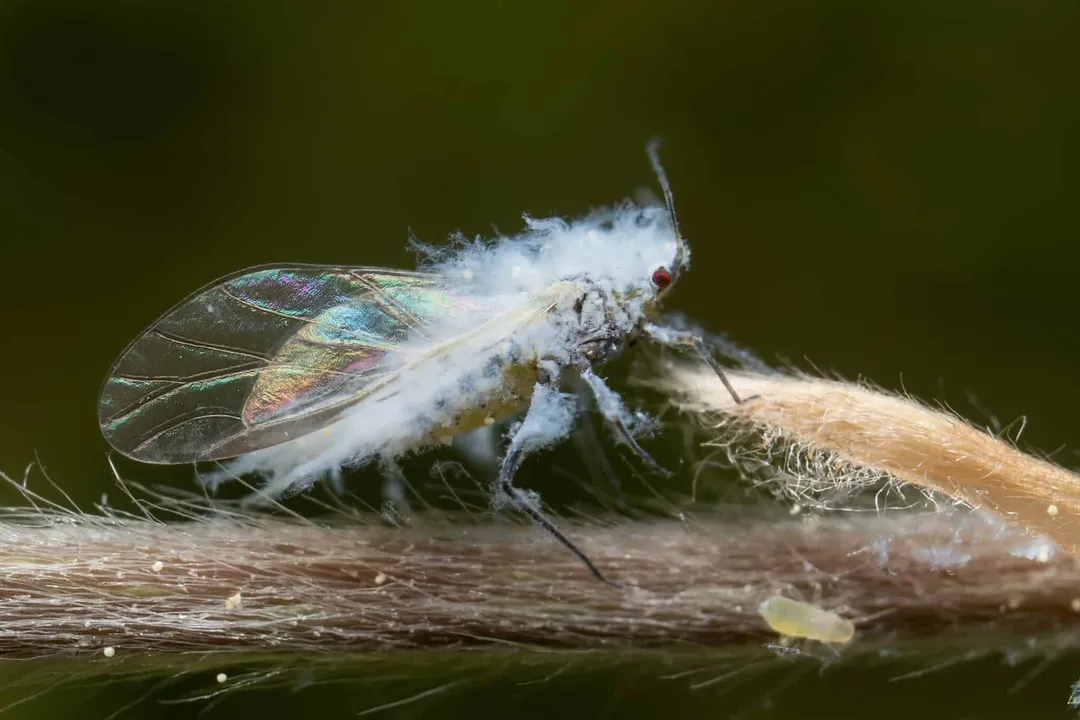
The act of feeding for these small insects is a continuous process involving specialized anatomical structures. The mouthparts are adapted for penetrating plant tissue to access the phloem, which is the vascular tissue responsible for transporting sugars produced during photosynthesis throughout the plant. The aphid essentially taps into the plant's internal plumbing system to draw out sustenance.
While the specific location of this feeding can change throughout the insect’s life cycle or based on the species, the underlying dietary requirement—phloem sap—remains constant.
# Apple Feeder Diet
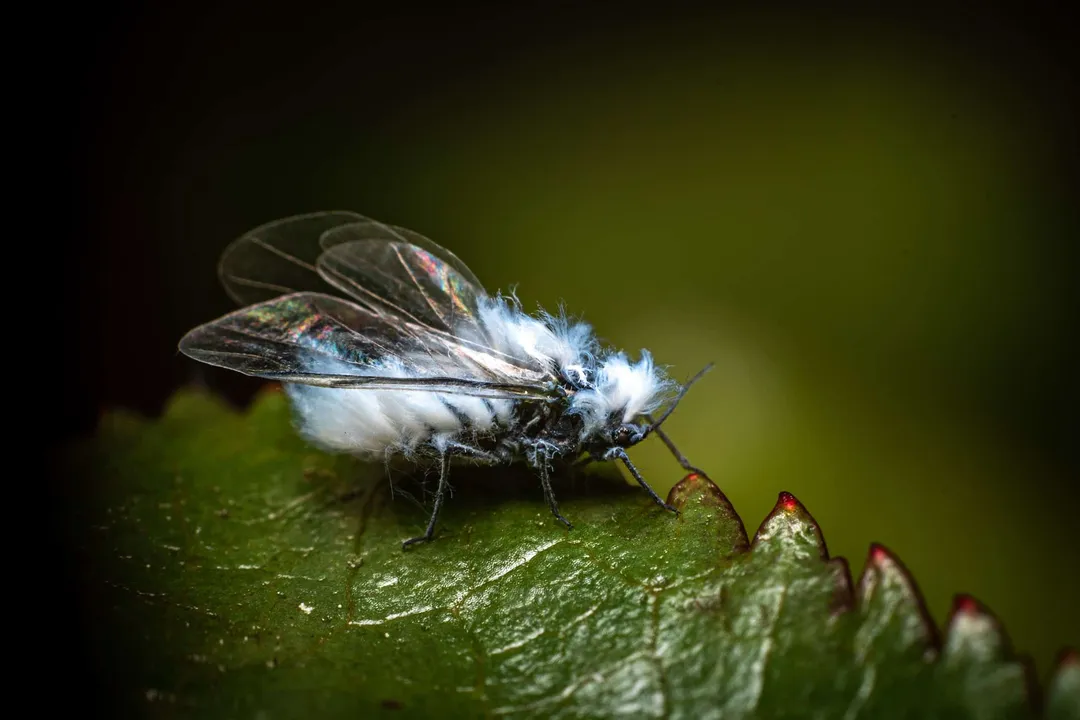
One of the most commonly discussed varieties is the woolly apple aphid, scientifically known as Eriosoma lanigerum. The diet of this particular aphid is centered almost exclusively on pome fruit trees.
# Primary Hosts
The primary food sources for the woolly apple aphid are apple (Malus domestica) and pear (Pyrus) trees. Feeding occurs in two distinct areas of the plant, often leading to different manifestations of damage.
- Twigs and Shoots: Aphids congregate on the bark of young shoots and twigs, where they feed directly on the sap. This feeding activity is destructive enough to cause localized swellings or galls to form in the infested areas.
- Roots: A more insidious feeding site is the root system. The aphids settle on the roots and continue to feed on the sap there. This subterranean feeding is often hidden from casual inspection but can cause significant damage to the structural integrity and nutrient uptake of the tree over time.
# Secondary Hosts
Beyond the commercial fruit trees, the woolly apple aphid has a known preference for certain ornamental species, which can serve as reservoirs for the pest. These secondary hosts include Cotoneaster and Pyracantha. Another recorded host plant, which highlights the breadth of their feeding capability within certain plant families, is Pyrus calleryana, commonly known as the Bradford pear.
When feeding on these hosts, the resulting damage profile—galls on above-ground growth and infestation on roots—mirrors that seen on apple trees. The presence of these galls on twigs can eventually lead to cankering and localized dieback in the affected branches.
# Elm Feeder Diet
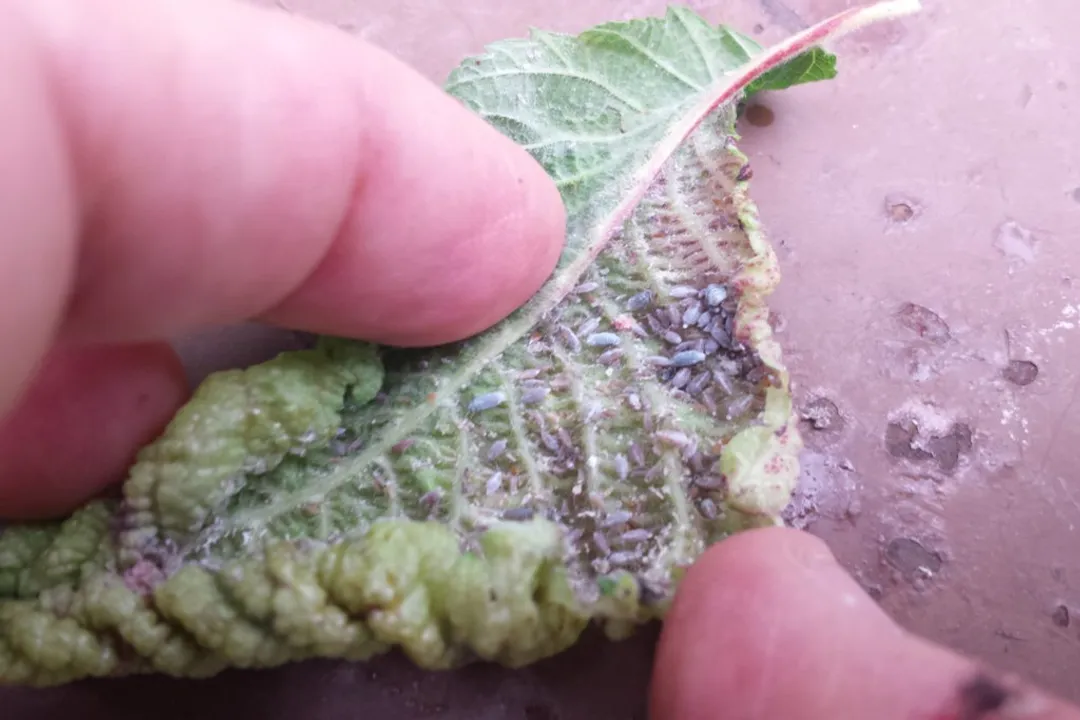
A different species, the woolly elm aphid (Eriosoma americanum), demonstrates a specialized, two-stage dietary regime tied to the life cycle of its host, the elm tree (Ulmus).
# Initial Foliar Diet
In the spring, the lifecycle begins with the aphids feeding on the underside of developing elm leaves. This concentrated sap extraction from the leaf tissue triggers a specific reaction in the plant: the formation of leaf galls. The feeding is not uniform across the entire tree; rather, it is concentrated on those leaves where the primary overwintering egg hatched. These galls manifest as red or purple pouches or distorted areas on the leaves.
# Sustained Root Diet
Crucially, the elm aphid’s diet does not end with the leaves. Once the first generation of aphids has fed and matured into winged forms (alates) around mid-summer, they depart the galls. These winged migrants then seek out new locations to establish colonies, specifically targeting the roots of elm trees.
Once established on the roots, the aphids settle in for the long term, forming colonies that continue to feed on the root phloem sap year-round. This subterranean feeding protects them from harsh weather conditions and many surface-dwelling predators. This means that while the visible evidence of their feeding (the leaf galls) is temporary, the continuous, protected feeding on the roots represents a sustained drain on the tree's vitality throughout the growing season and into the winter.
# Comparing Feeding Strategies
The differences in feeding location between the woolly apple aphid and the woolly elm aphid illustrate a key distinction in pest pressure. The woolly apple aphid feeds both above and below ground throughout its primary infestation period on apples and pears. In contrast, the woolly elm aphid uses the leaves for a dramatic, but short-lived, gall-inducing feeding event before migrating to the roots for a long-term, hidden feeding existence. For the apple host, the gardener may see damage on both the branches and the roots simultaneously, whereas with the elm aphid, the visible leaf damage signals that a more permanent, hidden root infestation is also underway.
It is interesting to consider the long-term stress these feeding patterns place on the hosts. While the leaf galls on elm are visually alarming, they involve a localized, relatively small portion of the tree's total leaf area. The continuous, protected sap drain from the entire root system of the elm, however, likely represents a greater cumulative physiological impact over a full year than the temporary leaf damage. Similarly, the woolly apple aphid’s tendency to cause swellings on twigs and roots suggests that the feeding interrupts the transport pathways both above and below ground, potentially leading to more diffuse, systemic weakening compared to a pest that only targets one specific transport system. Understanding where the specific woolly aphid species is feeding determines the immediate visible symptom and the necessary intervention. For instance, treating the woolly elm aphid in late summer requires focusing inspection efforts near the soil line, long after the visible leaf galls have withered.
Related Questions
#Citations
Trees and Shrubs: Invertebrates: Woolly Aphids— ...
Woolly Aphids
Eriosomatinae
Wooly Aphids by Phil Nixon | Flowers, Fruits, and Frass
Woolly Aphids Insect Facts - Eriosoma lanigerum
Woolly elm aphid feeding |
Woolly aphid: Identification, Care & Tips