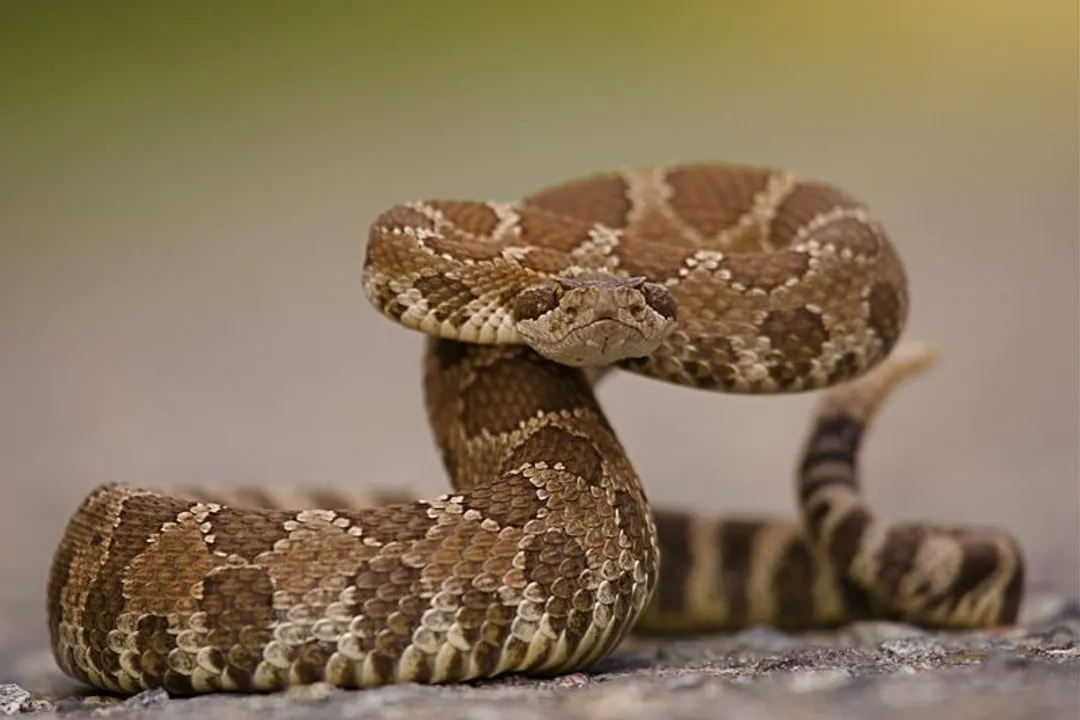
What physiological adaptation enables *Crotalus atrox* to thrive in high-temperature environments where many other ectotherms struggle during peak heat?
Behavioral plasticity allowing activity during cooler periods like dawn, dusk, and night
While the Western diamondback possesses physical adaptations for its dry habitat, a critical factor in its success within high-temperature environments is its behavioral adaptability concerning activity cycles. Although they are ectotherms, they manage the intense midday heat not through exceptional internal cooling, but by modifying *when* they are active. They exhibit behavioral plasticity by becoming most active during the cooler parts of the day—specifically at dawn, dusk, and throughout the night, especially when summer temperatures peak. This strategy allows them to exploit resources and hunt when competitors that require cooler temperatures for activity are inactive, maximizing their niche stability.