What hypothesis is proposed to explain why some rattlesnakes in areas with frequent human interaction might exhibit less vigorous or shorter rattles over generations?
Snakes that rattle less frequently might be less likely to be disturbed or killed by humans or coyotes
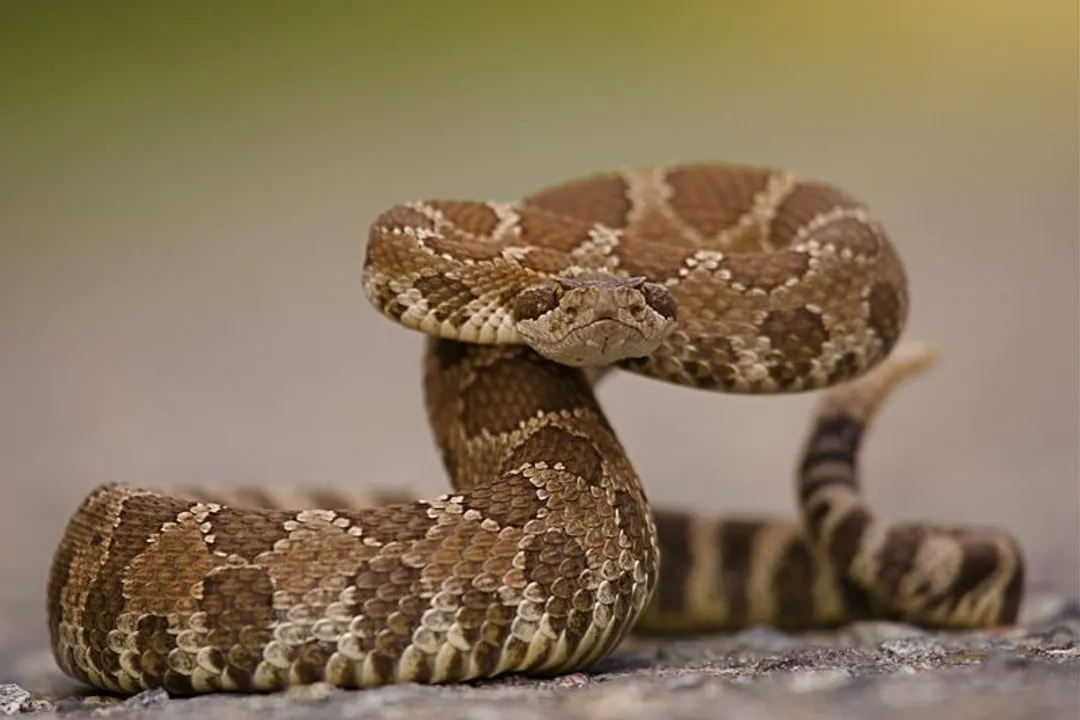
Contemporary environments heavily shaped by human activity introduce novel selective pressures that can mold even established anti-predator defenses like the rattle. One proposed mechanism, termed human-mediated selection, suggests that snakes exhibiting a lower threshold for rattling, or those with shorter/less noticeable rattles, may survive longer in areas frequented by people or livestock. If the act of rattling provokes a lethal defensive response from humans or predators like coyotes, the genetic tendency toward a less pronounced acoustic display becomes slightly advantageous, leading to that trait becoming more common over multiple generations through differential survival rates.