What mechanism allows *Heterodon nasicus* to safely consume toads with defensive skin toxins?
Answer
Producing a substance in Duvernoy's gland secretions to break down toad toxins
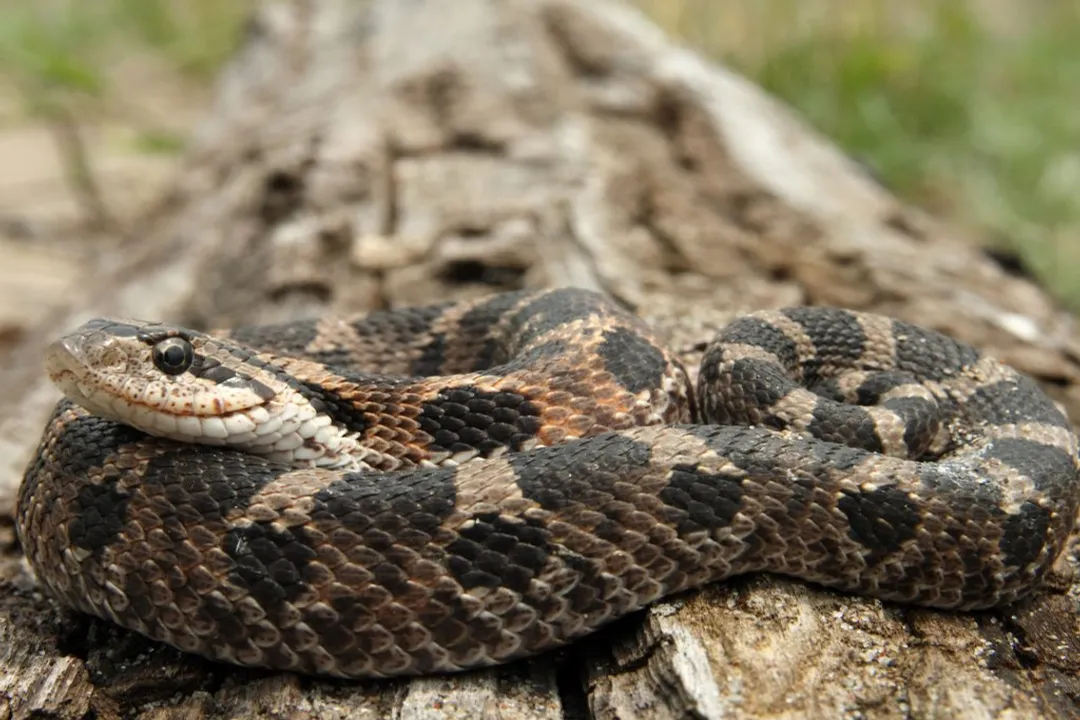
The consumption of toads, which typically secrete defensive toxins from their skin to deter predation, is made possible for the Western Hognose Snake through a unique chemical adaptation involving its salivary secretions. The snake possesses Duvernoy's glands, and the compounds secreted from these glands are believed to play a critical role in detoxifying the prey item. These secretions are thought to actively break down or neutralize the noxious compounds produced by the toad's skin, effectively creating a safe window for the snake to digest the meal without suffering ill effects from the amphibian's primary chemical defense system.
Related Questions
What specialized physical characteristic identifies the Western Hognose Snake?What is the primary function of the *Heterodon nasicus*'s shovel-like snout?What is the technical term for the Western Hognose Snake's death-feigning behavior?Where are the venom-delivering fangs located in the mildly venomous Western Hognose Snake?What specialized primary prey item do Western Hognose Snakes consume, often facing chemical defenses?Which sex of the Western Hognose Snake generally attains greater overall size and weight?What specific action might a Western Hognose Snake take if turned over while successfully performing thanatosis?What mechanism allows *Heterodon nasicus* to safely consume toads with defensive skin toxins?Which environmental characteristic is strongly associated with the distribution of the Western Hognose Snake?For keeper well-being, what substrate characteristic must be provided to allow the natural foraging behavior of *Heterodon nasicus*?