Western Rat Snake Facts

The common nomenclature surrounding the Western Rat Snake can sometimes lead to confusion, as this widespread reptile is frequently referred to as the Black Rat Snake, especially in eastern parts of its range or when discussing the dark color morphs prevalent in certain areas. [1][4] For readers encountering this snake in the field, recognizing that these terms often describe the same or closely related taxa within the Pantherophis genus is important for understanding the available natural history information. [1][7] These snakes are highly visible members of the ecosystem, often inhabiting landscapes shaped by human activity alongside wild woodlands. [2][8]
# Scientific Placement
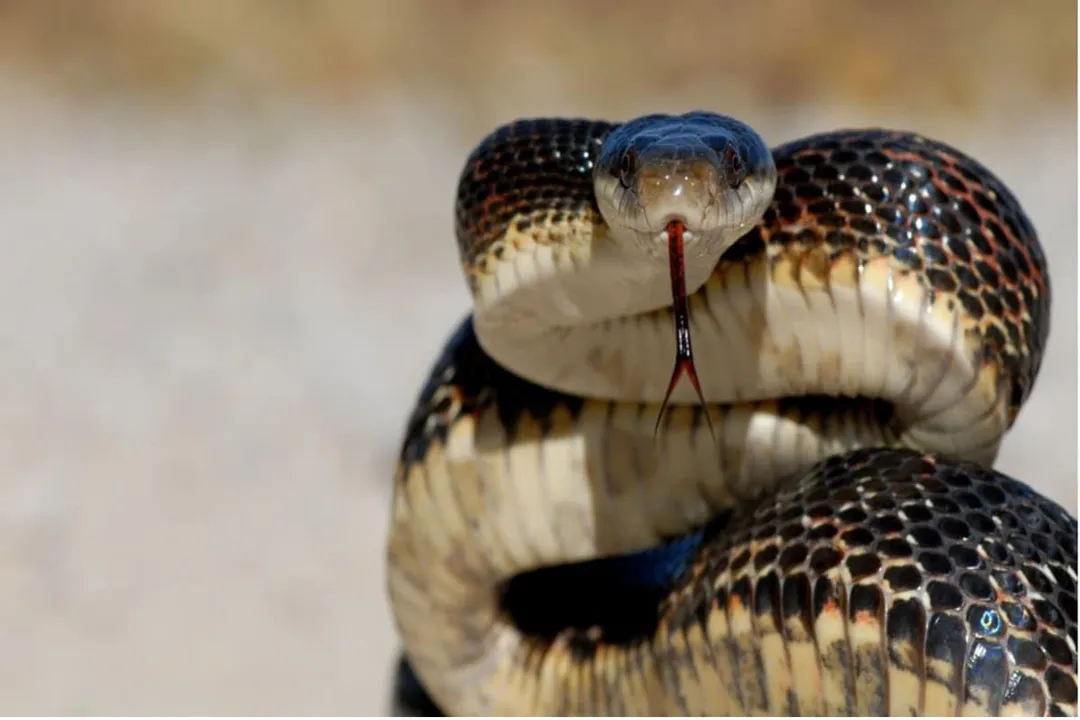
This non-venomous colubrid snake belongs to the family Colubridae. [2] Its scientific classification places it within the genus Pantherophis. [1][7] Historically, taxonomic classifications have seen shifts; for instance, the species was once classified under Elaphe obsoleta. [1] Understanding its placement helps distinguish it from other North American colubrids, such as the rat snakes found further west or south, which may have different habits or appearances. [7]
# Physical Traits
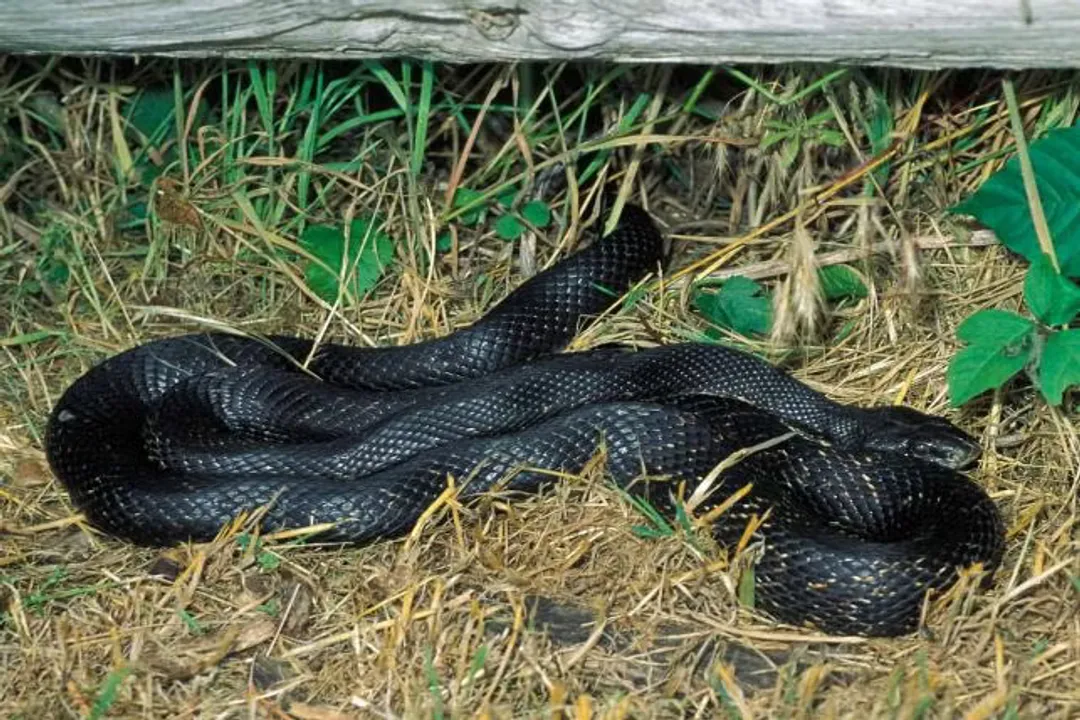
Western Rat Snakes exhibit notable size variation, frequently reaching lengths of up to six feet, with some individuals exceeding this considerably. [2][9] While they are large, heavy-bodied snakes, they are remarkably agile climbers, a necessary trait given their arboreal hunting habits. [4]
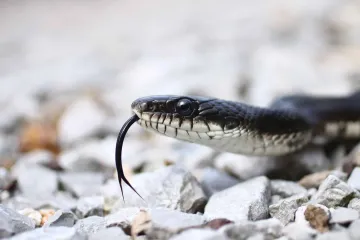
Coloration is one of the most variable aspects of this species. Juveniles typically display a blotched or patterned appearance, often appearing lighter or grayish with dark markings, which aids in camouflage among leaf litter or bark. [3][8] As they mature, especially individuals developing into the dark morphs common in areas like Nebraska, they often darken significantly, appearing almost entirely black. [8] This pattern loss as the snake ages is a common trait, meaning a very dark, uniformly colored adult might obscure the juvenile patterning seen in younger specimens. [3]
It is important to differentiate between individuals based on age and locale, as size and color intensity can offer clues:
| Trait | Juvenile/Subadult | Adult (Dark Morph) |
|---|---|---|
| Pattern | Distinct blotches, often with light background | Uniformly black or very dark gray [3][8] |
| Size Potential | Smaller, thinner | Can reach 6 feet or more [2][9] |
| Ventral Color | Lighter, often checkered pattern | Darkening, though some lighter scales remain |
When assessing a potentially large, dark snake, recognizing that the pattern fading is a natural progression, rather than evidence of a different species, prevents misidentification. [8]
# Habitat Niches
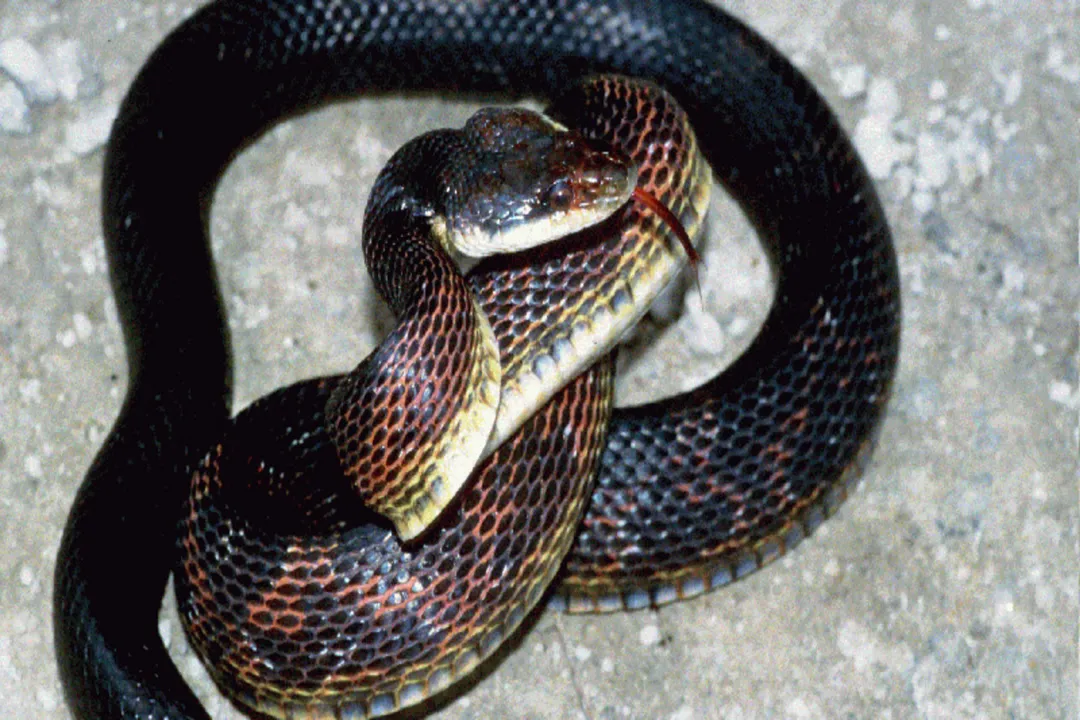
The adaptability of the Western Rat Snake allows it to thrive across a diverse set of environments throughout its range, which spans much of the central and eastern United States. [1] They show a marked preference for areas that provide both cover and access to prey sources. [2]
These snakes are often associated with woodland edges, brushy areas, and even swamps, but they readily adapt to human-modified landscapes. [2][8] Structures like abandoned barns, sheds, and farm buildings are favorite haunts, providing excellent shelter from predators and temperature extremes, as well as reliable nesting sites for prey like birds and rodents. [4][8] In Missouri, for example, they are frequently observed near farms and fields. [3] While they are terrestrial foragers, their capability to climb is extensive; they are frequently found in trees or high up in structures hunting bird nests. [4]
This preference for edges and structures means that encountering one near a homestead or while walking woodland borders is quite common. Observing where these snakes choose to spend their time—often near dependable food sources like rodent populations in haylofts or grain storage—shows a pragmatic approach to survival rather than a strict adherence to deep wilderness. [3]
# Dietary Habits
The Western Rat Snake’s primary role in the ecosystem revolves around its consumption of small vertebrates, placing it high on the list of beneficial reptiles for controlling pest populations. [9] Their diet heavily favors warm-blooded prey.
Rodents, including mice and rats, form the bulk of the adult diet. [2][9] They are adept at locating and raiding rodent nests, whether they are on the ground or hidden within the walls of a structure. [3] Beyond mammals, they consume birds and their eggs, which often necessitates their climbing activities. [2][3] While primarily carnivorous, their dietary flexibility might occasionally include amphibians or other small reptiles, though these are less frequently reported as staple foods. [2]
# Threat Response
When confronted by a potential threat, the Western Rat Snake exhibits a tiered defense strategy, moving from avoidance to active deterrence. [5] Initially, they may attempt to escape, relying on their speed or by climbing away from a ground-level predator. [4]
If cornered or feeling highly stressed, they employ several dramatic measures:
- Vocalization and Hissing: They may flatten their heads, open their mouths, and produce a loud hiss. [5]
- Tail Vibration: A particularly notable defense is the rapid vibration of the tail against leaf litter or dry wood. [3] This action effectively mimics the sound produced by a venomous rattlesnake, a form of Batesian mimicry intended to scare off potential threats that might avoid true pit vipers. [9]
- Muscular Contraction: If physical contact is made, the snake will coil tightly and squeeze its prey or attacker using constriction. [4] This is their primary method of subduing prey or neutralizing a threat once escape fails. [4]
One interesting aspect of this defensive display is the energy expenditure involved in the rattlesnake mimicry. While effective against inexperienced predators or curious humans, maintaining such a high-energy posture is taxing, suggesting that the snake reserves this performance for situations where escape is truly blocked. [3][5] A casual flick of the tail is common, but the full, sustained buzzing display is usually reserved for serious perceived danger.
# Human Interaction
The general disposition of the Western Rat Snake, especially the non-venomous nature of the species, makes it a welcome sight for many landowners focused on natural pest control. [3] Their effectiveness at managing rodent populations in and around barns or storage areas is well-documented. [9] Unlike some other snakes that might be drawn to human habitation only when sick or desperate, these snakes actively seek out areas with abundant prey, making their presence a sign of a healthy, if slightly pest-ridden, local environment. [8]
Responsible coexistence involves observing from a distance and allowing the snake to move on, recognizing its contribution to the local balance. Since they lack venom, the risk to humans lies only in being bitten defensively, which is rare unless the snake is physically handled or cornered. [3][5]
Related Questions
#Citations
Pantherophis obsoletus - Wikipedia
Western Rat Snake - Facts, Diet, Habitat & Pictures on Animalia.bio
Western Ratsnake | Missouri Department of Conservation
Black Rat Snake Facts and Information | United Parks & Resorts
10 Amazing Black Rat Snake Facts - Chattahoochee Nature Center
Despite their size and striking appearance, Western Rat Snakes are ...
Western Rat Snake (A Guide to Snakes of Southeast Texas)
Western Black Ratsnake | Amphibians, Turtles & Reptiles of Nebraska
Western Rat Snake - Pantherophis obsoletus - A-Z Animals