Western Blind Snake Facts
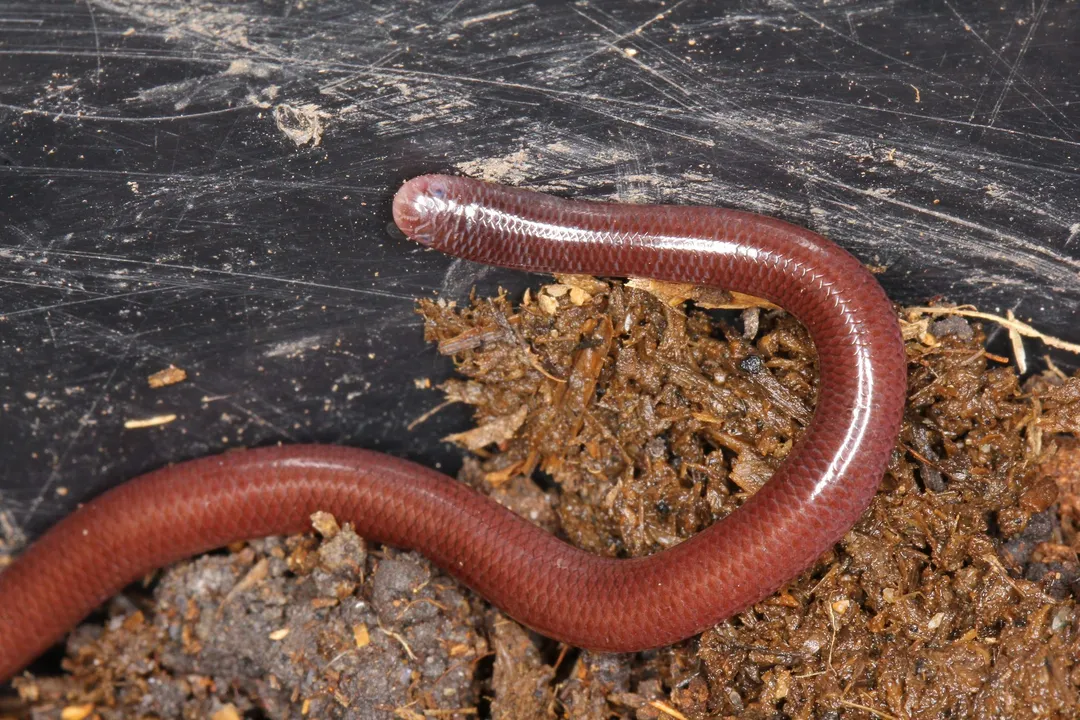
The Western Blind Snake, a creature that often goes entirely unnoticed by casual observers, presents a fascinating study in adaptation to a subterranean existence. These tiny reptiles, sometimes called Western Threadsnakes, are masters of working beneath the surface, leading lives hidden from the sun and most terrestrial predators. [3][5] For anyone discovering one of these delicate serpents, perhaps unearthed during gardening or found near a foundation, understanding their unique biology is key to appreciating this non-venomous inhabitant of arid and semi-arid regions. [2][4]
# Names and Lineage
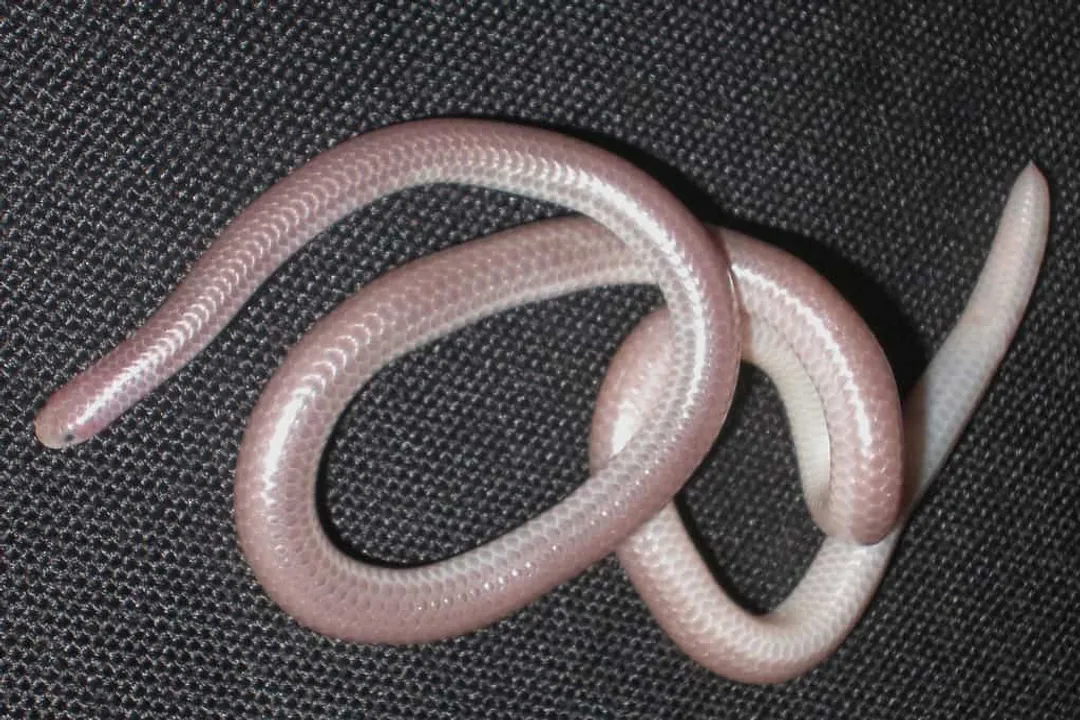
The classification of this small snake has seen shifts over time, which can sometimes lead to confusion when reading older field guides or local literature. [9] Scientifically, it is currently recognized under the genus Rena, specifically as Rena humilis. [1][6] However, many resources still refer to it by its former name, Leptotyphlops humilis. [9] This history of reclassification is common in herpetology as scientists refine their understanding of evolutionary relationships. [4] Common names also vary; while "Western Blind Snake" is widely used, "Western Threadsnake" is another frequently encountered descriptor, referencing its exceptionally thin, thread-like body structure. [5][8] Regardless of the name used, these snakes belong to the family Leptotyphlopidae, often referred to as the threadsnakes or blind snakes, which distinguishes them from the more familiar, but superficially similar, earthworms. [1][7]
# Subtle Appearance
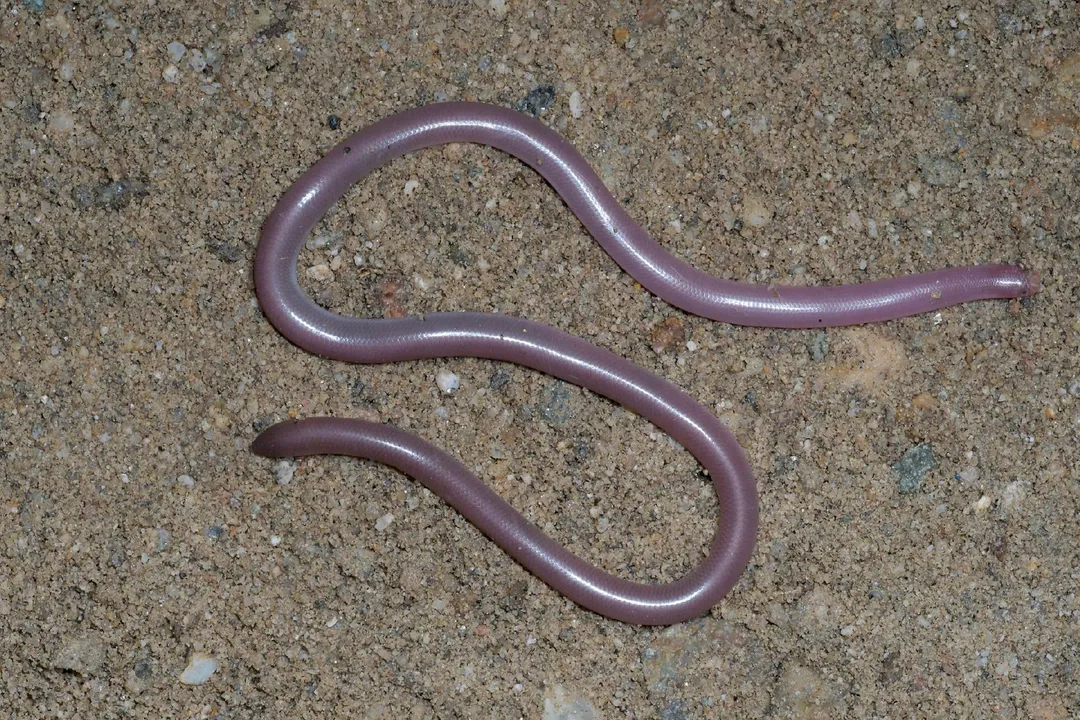
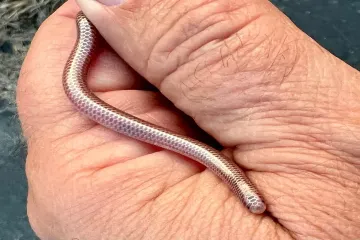
One of the most striking features of the Western Blind Snake is its diminutive size. Adults rarely exceed 10 to 12 inches in length, with many specimens being considerably shorter, often measuring between 5 and 7 inches. [3][7] Their bodies are cylindrical, extremely slender, and smooth, giving them that characteristic "thread" appearance. [4] Coloration is typically uniform, ranging from light tan, pale brown, pinkish-brown, or even a pearly gray. [2][1] This coloring provides excellent camouflage against the sandy or loose soils they inhabit. [6]
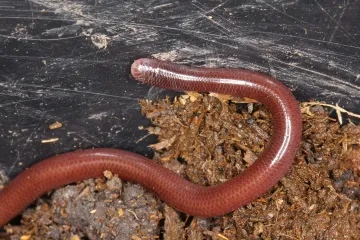
A key feature separating them from other small, non-snake creatures lies in their integument. The scales are smooth and glossy, which often results in an iridescent sheen under direct light, making them look almost metallic or shiny, an effect quite distinct from the duller texture of an earthworm. [3] Contrast this with their head structure: the head is barely distinguishable from the neck, and their eyes are minute, appearing as tiny black dots beneath semi-transparent scales. [1] They possess no functional eyelids. [7] This reduced eye structure confirms their adaptation to a life spent primarily underground, where vision is minimally useful. [4]
If you happen upon one of these snakes outside of its usual habitat—perhaps near a desert patio or a disturbed patch of soil—it’s easy to mistake it for a large earthworm or a grub larva because of its small size and lack of prominent facial features. [7] However, running a finger over it (if you are comfortable doing so) will immediately reveal the slick, cool texture of reptile skin rather than the segmented, slimy feel of an annelid. [2] This visual similarity is a classic example of convergent evolution, where unrelated species evolve similar traits to adapt to similar environmental pressures, in this case, burrowing life.
# Where They Live
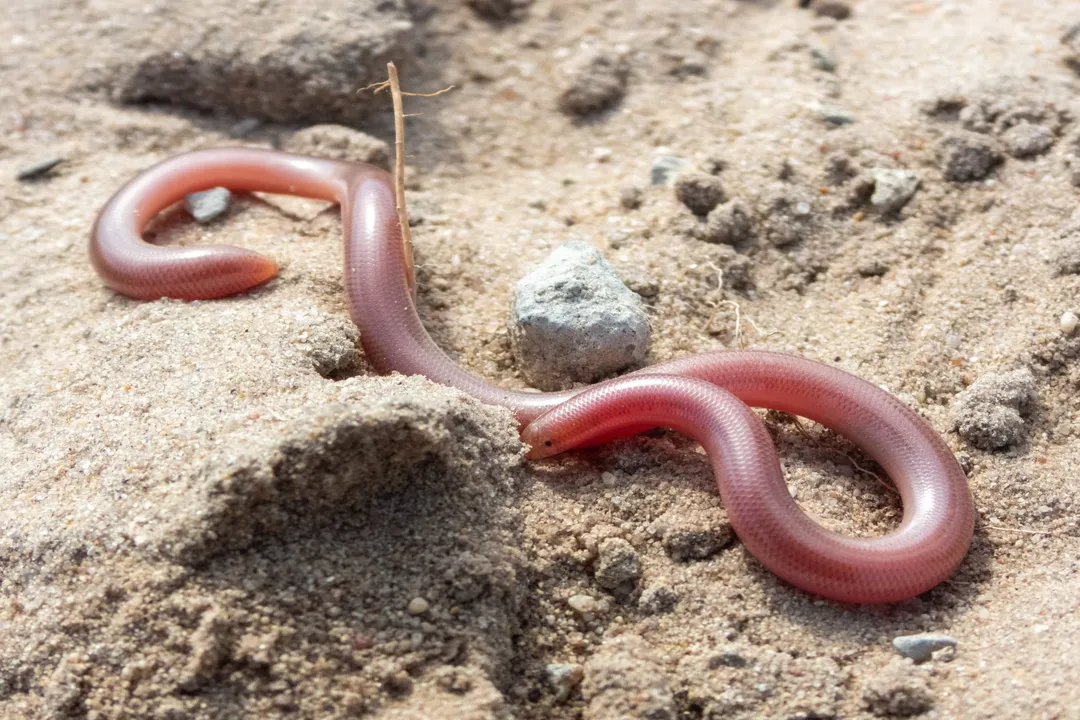
The geographic distribution of Rena humilis spans a significant portion of the American Southwest and northern Mexico. [1][2] Their range includes states such as California, Nevada, Arizona, New Mexico, Utah, and parts of Texas. [6][9] They are typically found in deserts, arid scrublands, and sometimes in more developed areas, provided the ground conditions are suitable. [5]
The primary requirement for their habitat selection isn't necessarily the overall climate, but rather the substrate itself. [2] Western Blind Snakes are fossorial, meaning they spend the vast majority of their lives underground. [6] They prefer loose, sandy, or fine-gravelly soils where they can easily move through the matrix of dirt particles. [3] Areas with abundant subterranean insect activity and adequate soil moisture retention will support higher populations. For instance, in the mountainous or rocky regions where the soil is too compacted or too coarse, these snakes are unlikely to be found, even if the general climate appears appropriate. [5][6] Observing where these snakes are found can actually serve as an unusual, albeit indirect, indicator of soil composition in a local area.
# Underground Existence
Their fossorial nature dictates almost every aspect of their life history. They are nocturnal, usually emerging only briefly at night, especially after heavy rains soften the substrate, allowing for easier movement and foraging. [2][3] When they do emerge, they move with a distinctive, slow, inching motion, looking much like an earthworm or a piece of string being pulled through the sand. [5]
The diet is highly specialized. Western Blind Snakes feed almost exclusively on soft-bodied insect larvae and small insects found underground, with a particular preference for ants and termite eggs and larvae. [2][7] They are not constrictors, nor do they possess venom or fangs for defense or predation; instead, they use their sharp, small teeth to grip and consume their prey whole. [4] Because their prey is small and numerous, the snakes must consume a constant supply of food to maintain energy reserves, making the presence of a healthy subterranean ant colony essential for their survival. [2]
When threatened or disturbed, their defense mechanism is minimal. They may attempt to burrow rapidly back into the soil. [3] Some sources note that they might flick their tail or bite if handled roughly, but their tiny mouths and teeth pose no threat to humans. [7] They are entirely harmless, a fact worth emphasizing for gardeners or children who might encounter one. [8]
# Reproduction and Lifespan
Unlike some other snakes, the Western Blind Snake is oviparous, meaning it lays eggs rather than giving birth to live young. [1] Females deposit small clutches, typically numbering between one and six eggs, in moist, protected areas underground, often near a food source. [2] The eggs themselves are small, white, and leathery. [7] Parental care, after the eggs are laid, is generally absent, which is typical for reptiles of this nature. The hatchlings are miniature versions of the adults, already equipped to begin their subterranean lives immediately upon emerging from the egg casing. [4] Information on their exact lifespan in the wild is difficult to ascertain due to their secretive nature, but they are generally thought to live for several years, similar to other small, slow-metabolizing reptiles in stable environments. [2]
# Range Variations and Subspecies
The species Rena humilis historically encompassed several recognized subspecies, though modern taxonomy sometimes consolidates or redefines these groupings. [1] For instance, in areas like New Mexico, researchers might encounter descriptions referencing Leptotyphlops humilis segregus. [9] Similarly, regional guides focusing on specific states, like Nevada or specific areas in California, detail slight variations in coloration or size correlating with their local populations. [5][8] These local variations highlight how isolated populations adapt subtly to the microclimates and soil types prevalent in their specific corner of the desert Southwest. [6] For example, a population residing in the finer, pale sands of a specific basin might exhibit a lighter, more pinkish hue than a population in the darker, loamier soil near a riparian zone in a different part of the state. This subtle camouflage optimization is a testament to natural selection at work, even in a creature so small and unassuming. [4]
# Practical Interaction Tips
For those living in the snake's range, understanding how to coexist peacefully is straightforward due to their harmless nature. If you find a Western Blind Snake while digging in your garden or turning compost, the best course of action is gentle relocation. [2] Simply pick it up carefully, supporting its fragile body, and place it back into loose soil or under a damp piece of wood or rock, ideally close to where you found it. [8] Because they are not venomous and pose no threat, there is no need for alarm or chemical control methods. [7] In fact, given their diet of ants and termites, they might be viewed as beneficial members of the local ecosystem by keeping certain insect populations in check, though their individual impact is minor compared to larger predators. [2]
When dealing with ground disturbances, remember that their greatest vulnerability is exposure to the sun and dry air, which can rapidly dehydrate them. [3] If you use mulch or landscaping fabric, ensure there are still areas where the soil beneath remains loose enough for them to burrow easily, which helps maintain a balance between human landscaping preference and local reptile needs. Their very thin bodies mean they are susceptible to accidental injury from garden tools, so mindful digging is always a good practice when working in areas known to harbor small, secretive wildlife. [5]
Related Questions
#Citations
Rena humilis - Wikipedia
Western Threadsnake (Rena humilis) - Desert Museum
Western Blind Snake - Rena humilis - A-Z Animals
Western Blind Snake - Facts, Diet, Habitat & Pictures on Animalia.bio
Western Threadsnake - Nevada Department of Wildlife
(species) rena humilis - Utah Natural Heritage Program Field Guide
Rena humilis Facts for Kids
Western Threadsnake - Malibu Creek State Park
NMHS - Leptotyphlops humilis - New Mexico Herpetological Society