What material forms prime outdoor sanctuaries for D. crocata during the day?
Answer
Under logs, rocks, and bricks
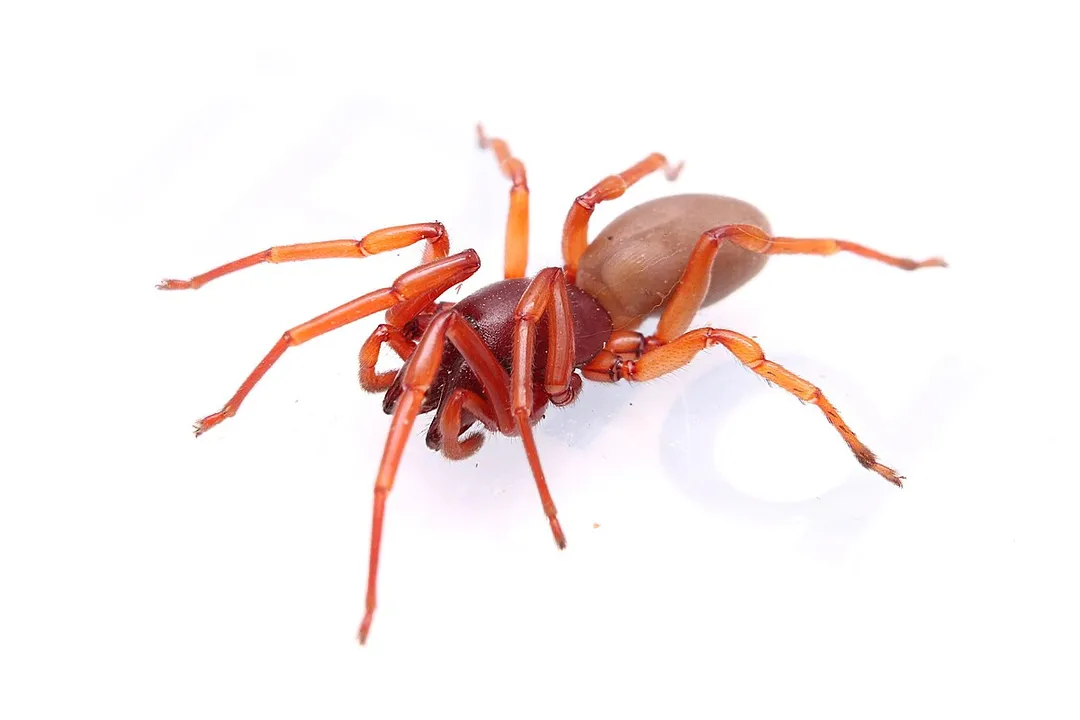
During the nocturnal hours, the woodlouse spider hunts actively; however, during the day, its location is strictly governed by the need for concealment, security, and protection from daylight and desiccation. The prime outdoor locations for establishing these daytime sanctuaries are those materials that retain moisture and offer ready shelter. These locations include being found directly under logs, rocks, and bricks. Furthermore, areas rich in heavy leaf litter, woodpiles, mulch, and beneath plant pots serve as excellent hiding spots. The spider is not necessarily tied to the wood itself, but rather the consistently moist, shaded microclimate created by these elements where its primary prey congregates.
Related Questions
Where does the geographical origin of the woodlouse spider, Dysdera crocata, trace back to?What distinct physical feature leads to alarm or misidentification in Dysdera crocata?Which structural hideaway is cited as the most frequently cited location for D. crocata indoors?During which season is the woodlouse spider often cited as the most common time to encounter them?What material forms prime outdoor sanctuaries for D. crocata during the day?The presence of Dysdera crocata is almost entirely dictated by the location of which armored prey?How does the woodlouse spider hunt compared to orb-weavers or cobweb spiders?Besides common cracks and gaps, what documented means of entry has D. crocata used to enter dwellings?What is notable about the spiderlings after the female D. crocata deposits her eggs?In North America, the distribution of D. crocata stretches westward as far as which state?