What attracts Joro spiders to your house?
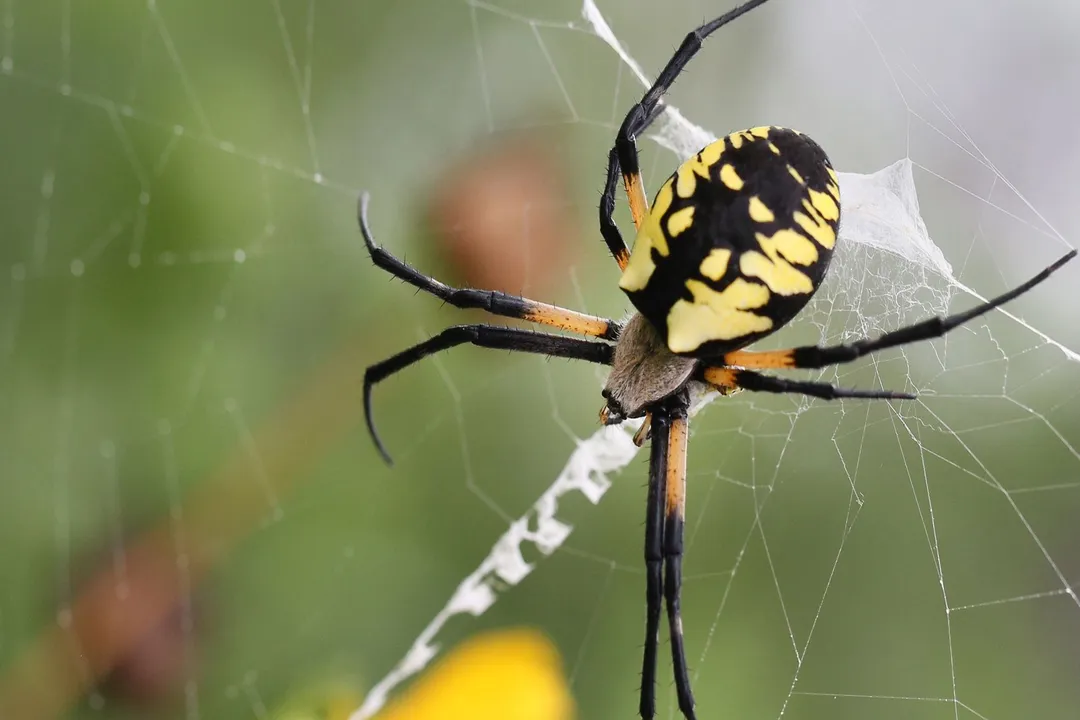
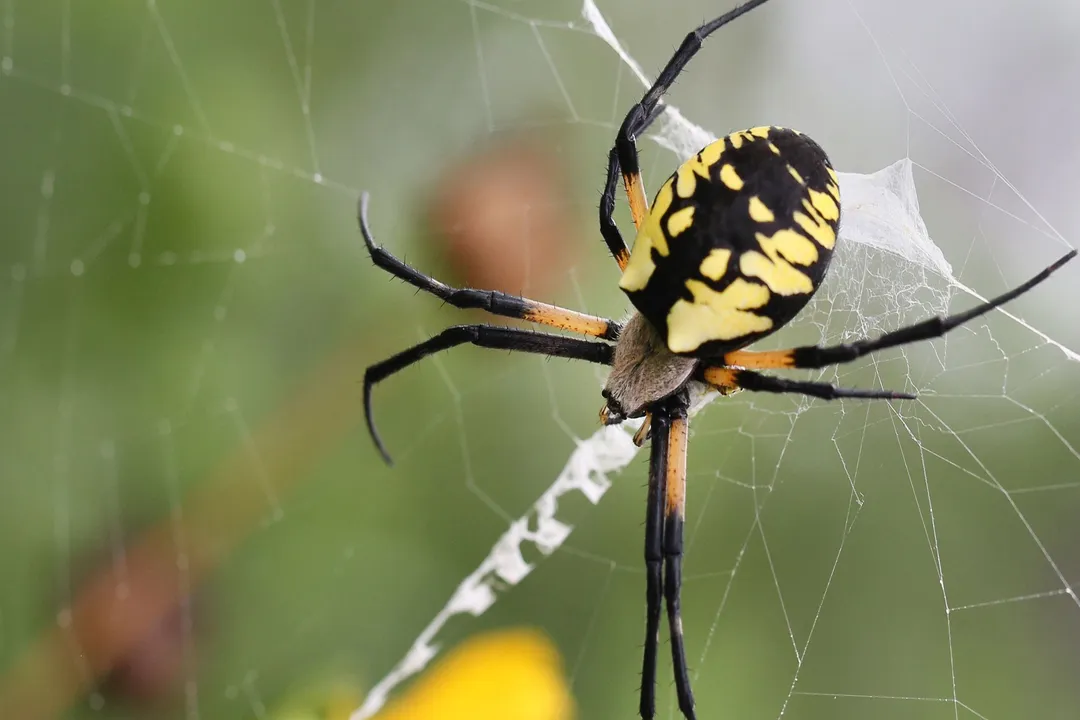
The sudden appearance of large, dazzling yellow and black spiders near your home can certainly raise eyebrows, especially if you haven't encountered them before. These striking arachnids are the Joro spider, Trichonephila clavata, an invasive species originally hailing from East Asia. [4][7] Understanding what draws them to your property isn't about finding a single "spider magnet," but rather recognizing the environmental and structural conditions that perfectly suit their unique lifestyle, particularly their need for large, stable web structures and an ample food supply. [5]
# Web Placement Needs
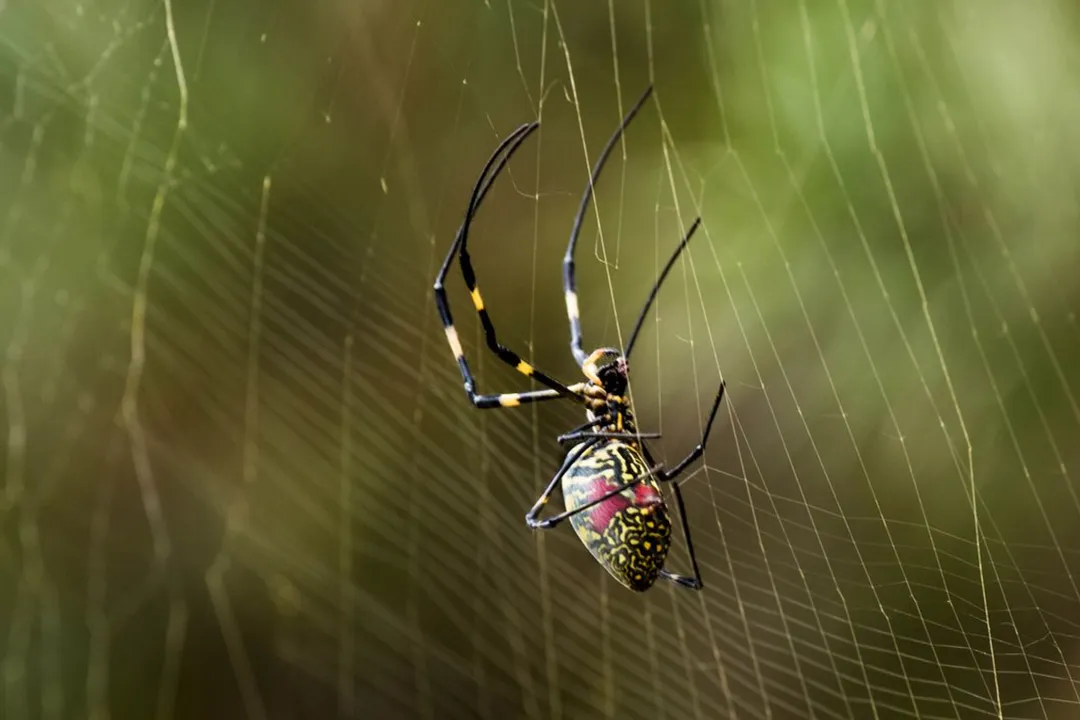
Joro spiders are renowned for the massive, messy, three-dimensional webs they construct, which can span an impressive 10 to 30 feet across and sometimes reach eight feet in height or width. [5][7] This scale immediately dictates where they will settle. They aren't typically interested in the dark corners of your basement; instead, they seek out open, sunny areas where they can anchor their engineering marvels between solid, widely-spaced points. [7]
This means that houses or yards offering specific structural elements become prime real estate. If you have deck railings, porch eaves, light poles, or even large shrubbery separated by an open gap, you are providing the ideal scaffolding. [1] They seem to favor areas where human structures intersect with open air, creating natural pathways for flying insects. The large female spiders, which are significantly bigger than the males, need this robust anchor system to support their impressive hunting grounds. [4] Their choice of location is purely practical: a weak anchor means a ruined web and a lost meal.
If you look around your property and see their characteristic webs strung between your fence line and a nearby tree, or spanning the gap between your porch support beam and the house siding, you've identified the immediate physical draw: structural support for a giant net. [1][7]
# Insect Buffet
While the structure attracts the web, the sustenance keeps the spider there. Just like any other predator, the Joro spider is fundamentally attracted to areas where its prey is abundant. [4] Joro spiders are effective ambush hunters, relying on their sticky, bright yellow silk to snag flying insects. [5]
What kind of insects are on the menu? Anything that flies within range of that massive web—flies, mosquitoes, moths, and various other flying arthropods become potential meals. [4] A yard that inadvertently supports a thriving population of these flying insects will naturally become a more attractive hunting ground for any large orb-weaver, including the Joro.
Consider the microclimate around your home. Areas that are shielded from strong winds but still offer good exposure to the sun are often insect hotspots. If your house sits near a garden that attracts pollinators, or if you have outdoor lighting that brings night-flying insects close to the exterior walls in the evening, you are creating an unwitting buffet line that the Joro spiders are highly adept at locating. [9]
An interesting observation in areas newly colonized by Joro spiders is that their presence often correlates with the density of nearby deciduous trees and the maintenance level of surrounding unkempt brush. Dense, overgrown areas near a home's perimeter often harbor more insects, creating a gradient of prey availability that draws the spiders closer to the man-made structures offering the best anchor points.
# Timing and Seasonality
The timing of their appearance is another critical factor in determining why you notice them now. Joro spiders are not typically a year-round presence in the same way some house spiders are. They undergo a life cycle that leads to their most visible phase in the late summer and fall. [4]
The small spiderlings hatch in the spring, often dispersing on silken "balloons" (ballooning) to spread out over a wide area. [7] They spend the summer growing larger, often building smaller, less noticeable webs. It is when they reach sexual maturity in the late summer and early autumn that the large females construct their most conspicuous, giant webs, often near outdoor gathering spots or along frequently traveled paths, as they are focused on mating and laying eggs. [4]
If you are noticing them now, it is likely this reproductive phase. The attraction isn't to the house itself, but to the time of year when they need the best possible location to secure a mate and maximize their chances of capturing enough food to support egg production. An older, established web structure from a previous year might also offer an initial, attractive anchoring point for a new female arriving in the area. [5]
# Physical Attributes and Camouflage
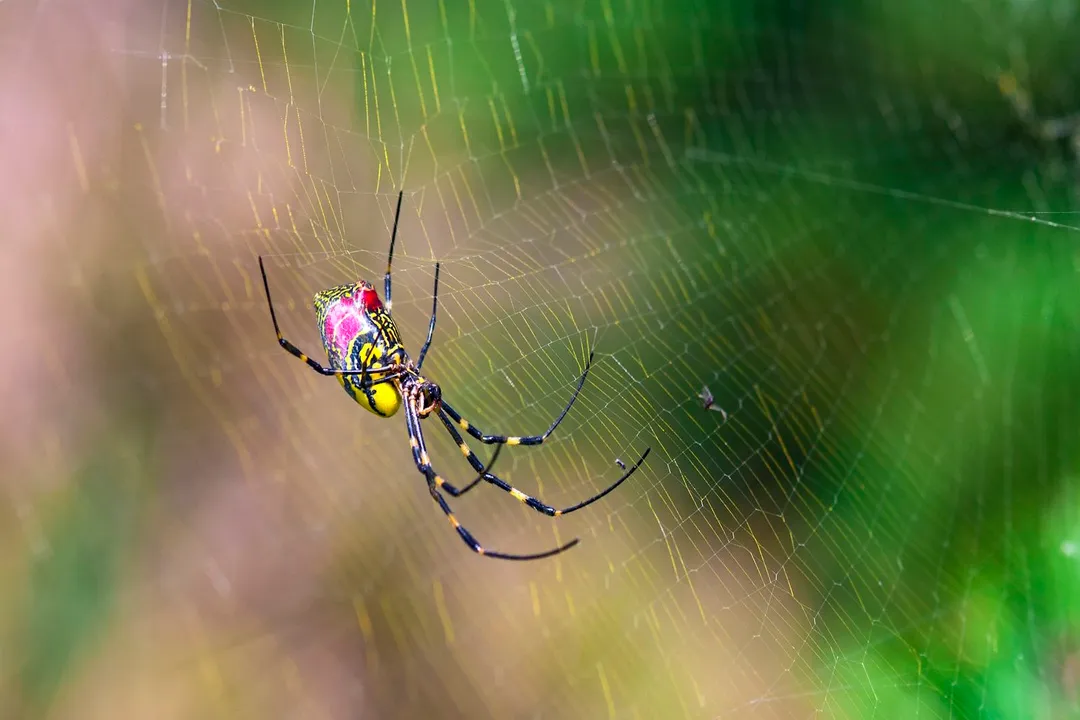
While camouflage isn't usually the primary draw for a spider that sports vibrant yellow and black markings, the Joro's appearance can sometimes work in its favor or at least make it seem less alarming than other pests. The females exhibit striking colors: a yellow and black abdomen, often with reddish markings, and legs banded with blue and yellow. [7]
They are certainly not trying to hide when they reach maturity. However, in areas with dappled sunlight filtering through leaves, the high contrast of their web and body can sometimes blend surprisingly well with the background noise of leaves and shadows, especially from a distance. [7] This is less about attracting them and more about why they go unnoticed until their web is directly in your path.
The sheer size difference between the sexes is notable; the females are large, while the males are tiny in comparison. [4] The large size of the female is what necessitates the massive web structure, tying back to their structural requirements.

# Site Selection Insights
To better understand the attraction, one can look at it from a homeowner's perspective on potential deterrents. Since they prefer high, open anchoring points, reducing the number of available structures near the building envelope is key.
Here is a synthesized approach homeowners might consider when evaluating their yard for Joro suitability:
| Structural Element | Joro Preference | Actionable Tip |
|---|---|---|
| Deck Railings/Eaves | Stable, horizontal anchors | Periodically sweep or spray these areas clean of webs, especially in late summer. [1] |
| Overhanging Branches | Inter-branch support for large webs | Trim back branches that are within 5-10 feet of your home's walls or main entry points. [6] |
| Outdoor Lighting | Attracts insect prey | Switch to sodium vapor or yellow-tinted bulbs, which are less attractive to night-flying insects, thereby reducing the secondary food source near the entry points. [9] |
| Dense Vegetation | Shelter for spiderlings/general insect habitat | Keep grass cut and trim back dense, tangled shrubbery close to the foundation. [6] |
This analysis highlights that the attraction is a combination of structure and prey. If a house provides the best anchor points in an area with high insect activity, the Joro spider will claim that territory. [4]
# Danger Perception
While not directly answering what attracts them, the relative lack of danger associated with Joro spiders might contribute to their established presence in new areas. People are less inclined to immediately eradicate a pest that isn't perceived as immediately harmful. Joro spiders are generally not aggressive, and bites are rare, typically only occurring if the spider is directly handled or trapped against the skin. [7] The bite has been compared to that of a bee sting, suggesting a low venom threat for most people. [4] This lower threat profile might mean that smaller, less persistent infestations are allowed to mature and reproduce season after season.
# Management and Deterrence Clues
Examining methods for keeping them away implicitly tells us what they don't like, which contrasts with what attracts them. Effective management strategies focus on removing the essential elements they need:
- Web Removal: Regularly destroying the web is highly effective because they need a stable, intact structure to hunt from. [1] If a web is constantly destroyed, the spider will often move to a nearby, more reliable spot.
- Vegetation Control: Keeping vegetation trimmed back away from the immediate exterior walls removes alternative anchor points and reduces the density of general insect populations near the house. [6]
- Sealing Entry Points: While Joro spiders are primarily outdoor web-builders, sealing cracks and crevices around the home is a good general practice that prevents smaller spiders from taking up residence in sheltered areas, which might otherwise attract larger predators later in the season. [6]
If you find yourself dealing with Joro spiders, it's a signal that your immediate outdoor environment—the eaves, decks, and surrounding plant life—offers an ideal intersection of stable anchoring locations and a steady supply of flying insects during their late-season reproductive period. [1][4] They are attracted to good real estate, and for them, good real estate means a massive, sun-drenched scaffold over a busy insect flight path.
Related Questions
#Citations
Everything You Need to Know About Joro Spiders and ... - Bug Busters
How to repel Joro spiders: Experts share their solutions
Joro spiders and how to keep them away from my house? - Reddit
Joro spiders: What they are and how to get rid of them - Tom's Guide
Joro spider trap using gnat sticky trap and yardstick - Facebook
Where did Joro Spiders Come From - Orkin
What Are Joro Spiders and Are They Dangerous? - Hawx Pest Control
Everything You Need to Know About Joro Spiders - MosquitoNix®
How to Keep Spiders Out of Your Home | ScottsMiracle-Gro US