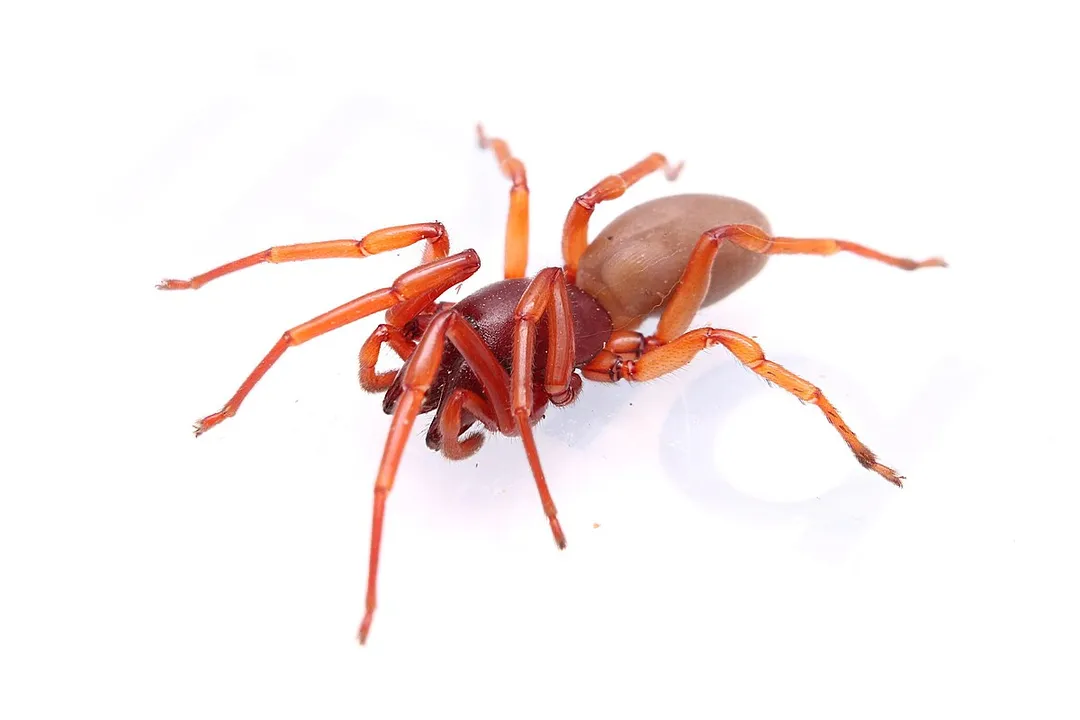
Why does *Dysdera crocata* possess elongated and robust chelicerae?
Answer
To pierce the tough exoskeleton of the woodlouse.
The defining characteristic of the woodlouse spider's predatory apparatus is its large, elongated, and robust chelicerae, which function as powerful jaws. This physical adaptation is directly necessitated by its primary diet, which consists of woodlice (pill bugs or sowbugs). These crustaceans possess a hard outer shell, or exoskeleton, which requires significant crushing strength and piercing ability to penetrate. While the spider does possess venom, the physical structure of the jaws is crucial for overcoming the physical defense of its prey, unlike many other spiders that rely solely on venom delivered through relatively thin fangs to subdue softer-bodied insects.
Related Questions
What is the family classification for the woodlouse spider, *Dysdera crocata*?Why does *Dysdera crocata* possess elongated and robust chelicerae?How many eyes does the woodlouse spider possess, unlike *Tegenaria* or *Eratigena* genera?What specific terrestrial crustaceans constitute the primary diet of the woodlouse hunter?What feature camouflages the female *Dysdera crocata*'s egg sac in its damp habitat?When bitten by a woodlouse spider, what characterizes the typical localized reaction in humans?What environmental condition is essential for the woodlouse spider because of its reliance on woodlice?Which hunting web structure is typically *not* constructed by the nocturnal woodlouse spider?What is the general body length range for adult male woodlouse spiders compared to females?If pest management is deemed necessary for *Dysdera crocata*, what is the recommended primary defense strategy?