Woodlouse Locations
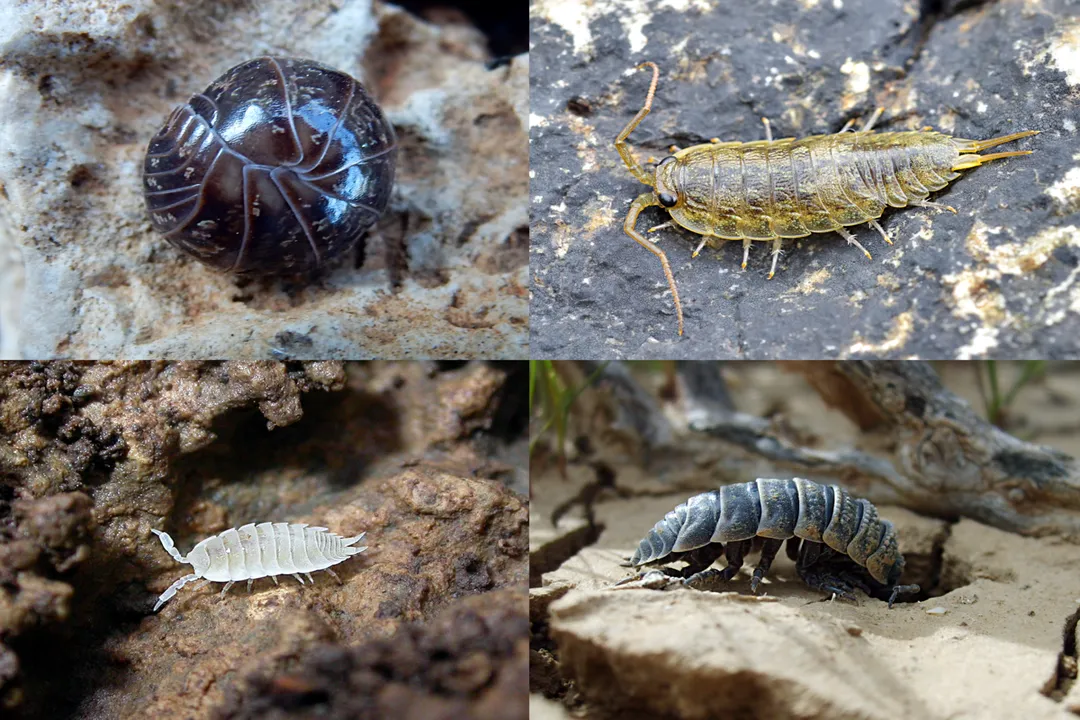
The discovery of woodlice, those small, segmented creatures often found scurrying away when you lift a damp log or a garden stone, usually prompts a moment of curiosity, often followed by a slightly uncomfortable realization: these aren't insects. They are, in fact, terrestrial crustaceans, meaning they are distant relatives of crabs and shrimp that have managed to adapt to life on land. [1][2][4][5] Because of this heritage, their location is governed by one absolute, non-negotiable requirement: moisture. Wherever you find them congregating, you have found a place where humidity is high, light is absent, and decay is usually underway. [2][3][4]
This reliance on damp environments explains why they are rarely found out in the open during the day, especially in dry weather. They possess primitive, gill-like respiratory structures, which require constant moisture to function effectively, as these structures cannot handle dry air well. [4][5] This biological necessity creates a predictable pattern for observing them, making the search for "woodlouse locations" essentially a search for microclimates within your immediate surroundings. [1][2]
# Crustacean Habitats
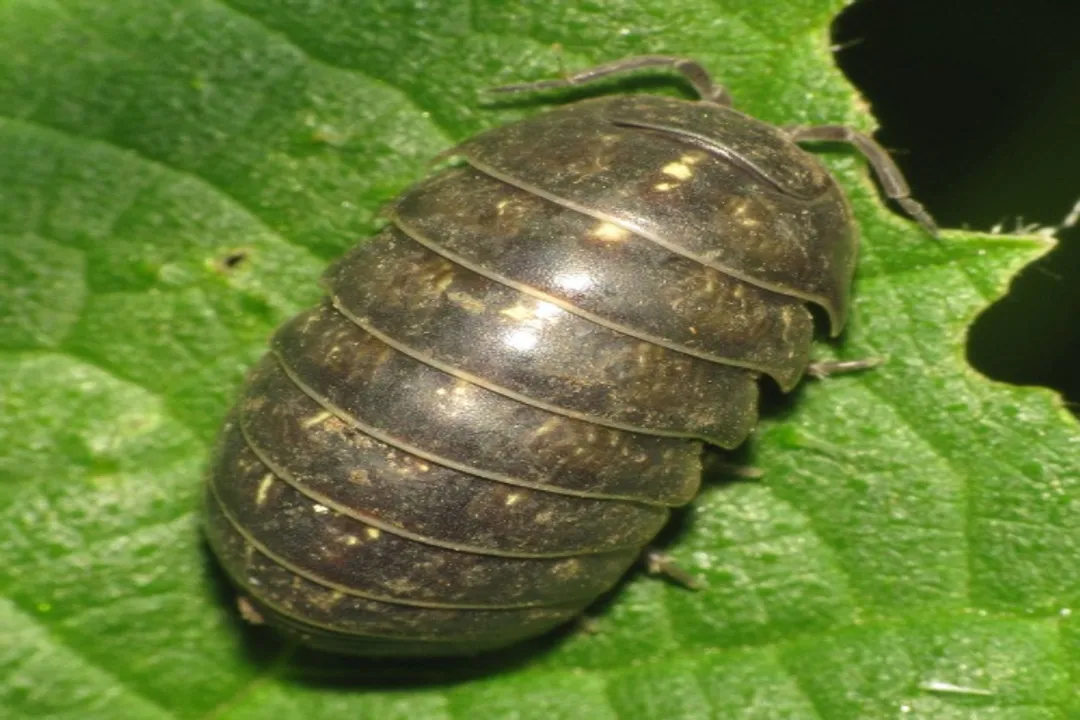
Understanding the difference between the common types helps interpret where they might settle. In many regions, you encounter the common rough woodlouse (Porcellio scaber) or the pill bug (Armadillidium vulgare). [1][4] A key difference, behaviorally speaking, relates to their location strategy: pill bugs have the famous ability to roll into a tight, protective ball—a behavior known as conglobation—to conserve moisture and defend themselves. [1] Sow bugs, which are often flatter and possess tail-like appendages, generally cannot roll up completely; they tend to rely more heavily on burrowing or seeking out intensely damp crevices for protection. [1]
The general group is often referred to by many names: roly-polies, slaters, or cheesebugs, depending on local dialect and which species is prevalent. [1][7] Regardless of the name, their required environment remains the same: dark, damp, and often associated with organic material that is breaking down. [3][4] They are detritivores, meaning they primarily feed on decaying vegetable matter, which naturally concentrates them near rotting wood, damp leaves, and decomposing garden waste. [1][3] This feeding habit is intrinsically linked to their habitat selection.
# Preferred Outdoor Spots
The garden and the immediate area surrounding a building present the most diverse array of potential woodlouse locations. They are masters of finding and exploiting small pockets of stable, humid air within the landscape. [2][8]
# Under Structure
One of the most reliable places to locate aggregations of woodlice is beneath any object that insulates the soil from sun and wind. This includes paving slabs, loose bricks, pieces of flat stone, or discarded lumber. [4][7] Lifting these objects reveals a micro-ecosystem that has been maintained at a higher humidity level than the surrounding air. If the soil beneath is rich in organic matter, such as decomposing leaves or old mulch, the woodlice will thrive there, often hiding directly against the cool, damp underside of the covering object. [3]
A practical observation for naturalists is that the material matters; wood that is actively rotting and saturated with water often houses a denser population than dry, hard stone, simply because the wood itself contributes to the humidity level through its own decay process. [3]
# Natural Cover
Leaf litter is another prime location, particularly when it has started to mat down and compact near the base of trees or hedges. [7] In established lawns or wooded areas, a thick layer of fallen leaves creates an insulating blanket where moisture is trapped for long periods. Similarly, the area directly beneath loose tree bark, especially on older, unhealthy trees, is a favoured spot, offering both shelter and a food source in the form of peeling, dead bark fibers. [4][7]
Compost heaps are veritable woodlouse cities. The combination of consistent moisture, deep organic material, and insulation from the outer layers makes them ideal environments. [3] If you break open a well-established, damp compost pile, you will almost certainly find numerous individuals moving through the warming interior layers as they consume the decaying contents. [1][3]
# Containers and Pots
For those who maintain container gardens, overturned or long-sitting terracotta pots or plastic containers become excellent artificial refuges. [4] These objects trap moisture underneath them, and if the soil below is kept consistently moist—as is common practice for potted plants—the woodlice will establish themselves quite happily out of sight. [4] This location is often encountered when gardeners move pots they haven't touched in several months.
# Indoor Hiding Places
While woodlice are generally outdoor inhabitants, they can certainly be found inside structures, though this usually indicates an environmental issue within the building itself. [9] They do not breed well in the dry conditions typical of heated indoor living spaces. [9] Their presence indoors is a direct signal that a damp, dark area exists somewhere near their entry point.
# Foundation Issues
The most common entry points for woodlice into a home are associated with the foundation or ground-level entryways. They might enter through cracks in the foundation walls, gaps around poorly sealed utility entrances, or weep holes designed for foundation drainage. [9] Once inside, they migrate toward the darkest, wettest spots they can find.
# Damp Zones
Basements and crawl spaces are hotspots for indoor infestations if moisture control is lacking. [9] Locations near leaking pipes, damp concrete floors, or areas where water condensation accumulates—such as under sinks or near floor drains in utility rooms—become temporary havens. [9] Because they need humidity to survive, you are far more likely to find them clustered near a leaky water heater or behind a refrigerator that sweats condensation than in a dry, well-ventilated closet.
If you live in an older home, a particularly interesting location to check is the space between the interior wall lining and an exterior wall, especially if the exterior siding is compromised or the foundation perimeter drainage is poor. A localized area of rising damp or a persistent leak can create a hidden, favorable corridor for them within the building fabric itself. [9]
# Factors Influencing Location Choice
The precise location a woodlouse selects isn't entirely random; it's a dynamic response to immediate environmental conditions, which can shift dramatically over a 24-hour cycle. [2]
# Light and Darkness
As nocturnal detritivores, woodlice are strongly negatively phototactic, meaning they actively move away from light. [2] During the day, they seek maximum darkness to prevent their respiratory surfaces from desiccating. At night, they emerge to forage, moving across soil or pavement surfaces, which is when they are occasionally seen making a quick dash for cover. [5]
# Temperature Gradients
While moisture is paramount, temperature plays a secondary role. They prefer cool environments, which is why they are often found directly against the cool surface of concrete or stone, away from direct sun exposure. [2] In summer, this means seeking deeper refuges, perhaps burrowing slightly into the soil beneath a log rather than just sitting on top of it. Conversely, in winter, they might aggregate in larger numbers beneath insulation (like a thick layer of mulch or a heavy stone) to benefit from the slight thermal stability it offers compared to the freezing air above. [8]
# Seasonal Shifts in Habitat
The time of year significantly alters where you are most likely to encounter them. During periods of extended drought, woodlice may become much harder to find, having burrowed deeper into the soil profile or retreated to the lowest, coolest points of a structure. [3] Their movement patterns shift almost entirely underground or deep under pavement until the next substantial rain event moistens the upper soil layers. [3]
Consider this: During a dry summer, finding a few active woodlice on the surface in the evening might suggest a nearby, persistent source of water—perhaps an underground irrigation line or a perpetually shaded, perpetually damp corner near a retaining wall. This contrasts sharply with late autumn, where heavy rains saturate the topsoil, causing them to spread out more superficially under nearly any piece of surface debris. [8] This seasonal flux means that a location reliable in May might be barren in August, requiring the observer to adjust their search criteria based on recent weather patterns.
# Surveying Locations
To summarize the search for these common crustaceans, one must think in layers, starting from the most accessible and moving toward the most hidden.
| Layer | Primary Location Example | Condition Favored | Likelihood of Discovery |
|---|---|---|---|
| Surface Debris | Leaf litter, loose bark | High moisture, good insulation | High (especially after rain) [3][7] |
| Intermediate | Under stones, pots, pavers | Stable temperature, high humidity | Very High (classic spots) [4][7] |
| Structural Edge | Foundation cracks, vents | Direct path to interior dampness | Moderate (indicates entry point) [9] |
| Interior Damp | Basements, under sinks, near leaks | Constant moisture source | Low (indicates structural flaw) [9] |
| Deep Soil | Below mulch layer, deep under logs | Maximum moisture retention | Low (only in extreme drought) [3] |
If you are cataloging different species in your garden, the density of the population in these locations can sometimes offer clues. Areas where they are found heavily matted together, perhaps several dozen in one small patch, often indicate a major food source nearby, usually a substantial piece of decaying wood or a well-established, long-neglected pile of organic material. [1]
Ultimately, the location of the woodlouse is a direct readout of the local hydrology and decomposition rate. They are not pests in the traditional sense, as they are beneficial recyclers of dead organic matter, [3] but their presence indoors is a clear indicator that environmental control, specifically reducing moisture and sealing entry points, is necessary. [9] They are nature's tiny, armored indicators of excess dampness, wherever that dampness happens to accumulate. [2][4]
Related Questions
#Citations
Woodlouse - Wikipedia
Common Woodlouse - University of Puget Sound
Pillbug, Roly-Poly, Woodlouse Armadillidium vulgare (Latreille ...
Common woodlouse | The Wildlife Trusts
Woodlouse - Types, Habitat, Diet, Lifespan, Life Cycle, & Pictures
Woodlouse - Armadillidium nasatum - BugGuide.Net
ID Guide to Common Woodlice - NatureSpot
Wonderful Woodlice - Northumberland National Park
Woodlouse Guide | Oniscidea | Presto-X Pest Control