Woodlouse Spider Diet
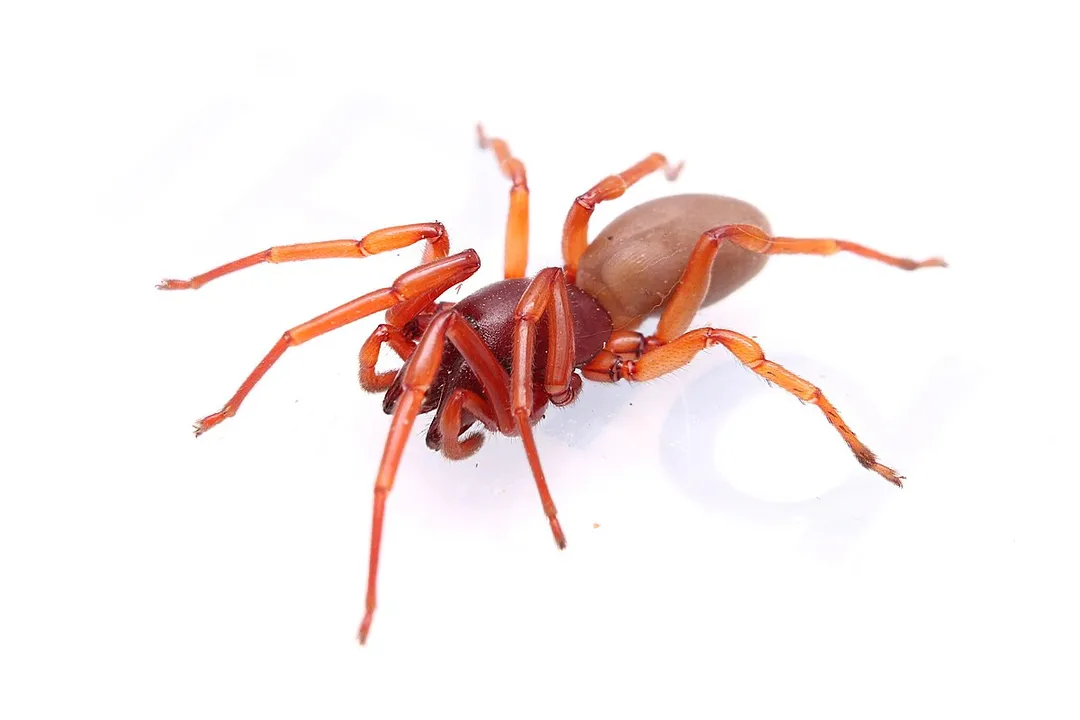
The Woodlouse Spider, scientifically known as Dysdera crocata, possesses a reputation that often precedes it, frequently due to its vivid, reddish-orange cephalothorax and its somewhat formidable appearance, though its feeding habits are what truly define its ecological niche. [1][2] This creature is instantly recognizable, often described as possessing a somewhat glossy or leathery look. [9] While many spiders build elaborate webs to snare flying or crawling insects, the diet of the Dysdera crocata is much more singular and specialized, revolving almost entirely around one type of terrestrial crustacean. [2][5] This focus on woodlice, which are also known as pill bugs or sow bugs, sets them apart from the generalist appetites of many common house spiders. [1][4]
# Specialized Diet
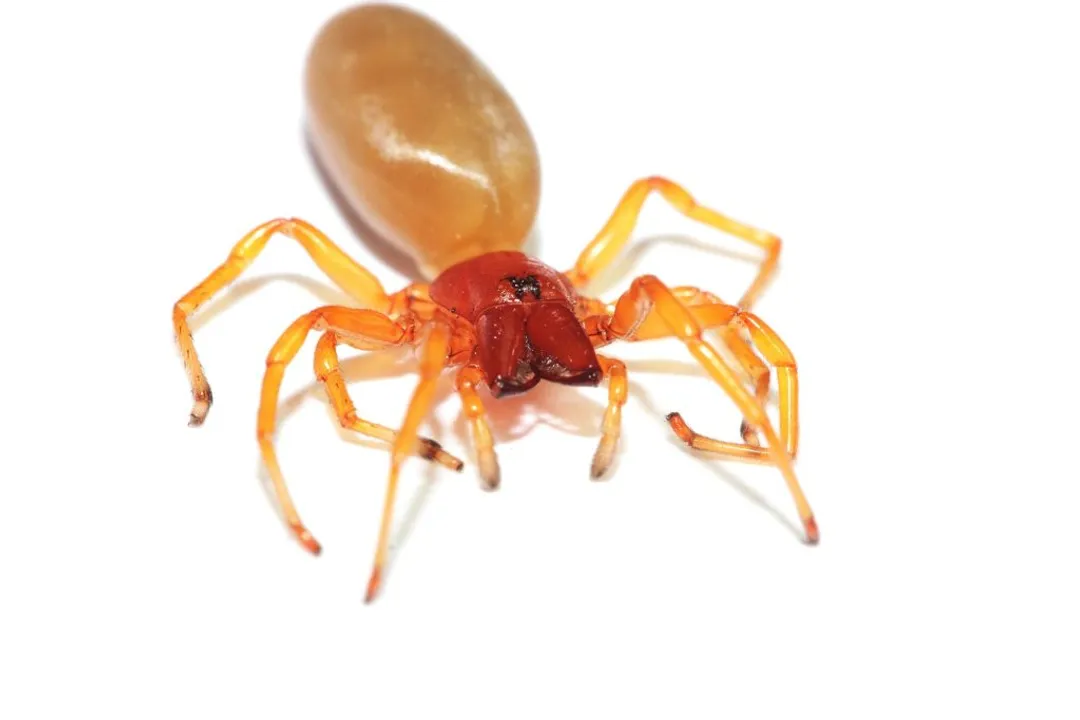
The primary dietary component for the Woodlouse Spider is, unsurprisingly, the woodlouse. [1][10] These spiders are named for this specific preference because woodlice, belonging to the order Isopoda, form the vast majority of their meals. [2][9] In fact, their existence seems intrinsically linked to the presence of these small, segmented scavengers. [3] Unlike generalist hunters that might snag a passing fly or a stray beetle, D. crocata actively seeks out the damp, dark environments where woodlice thrive—under logs, stones, leaf litter, or debris. [2][3]
When observing spiders in a damp, sheltered habitat—think under a loose paving stone or a rotting log—if you encounter a Woodlouse Spider, you can be almost certain that its immediate food source is within striking distance. [3] While the name is definitive, it is worth noting that woodlice are not the only thing they will consume, but they are certainly the preferred and most frequently captured item on the menu. [1][10]
# Fangs and Venom
The spider's specialized diet has resulted in specific evolutionary adaptations, most notably visible in its dentition and venom composition. [1] The Woodlouse Spider is equipped with prominent, reddish-orange chelicerae, which appear quite large relative to its body size. [9] These powerful appendages are crucial for subduing prey that is often armored with a tough exoskeleton. [1]
The venom delivered by D. crocata is adapted for dealing with the chitinous shell of the woodlouse. [2] Interestingly, although they appear fearsome, the venom is not considered medically significant to humans. [10] Most sources agree that a bite, which is rare unless the spider is severely provoked or trapped against the skin, is comparable to a bee sting in terms of immediate effect, perhaps causing some localized redness or swelling. [1][10] This mild effect on humans contrasts with its effectiveness against its armored primary food source. [1] The spider uses its strong jaws to pierce the woodlouse's armor and inject the paralytic agents. [2]
# Hunting Other Food
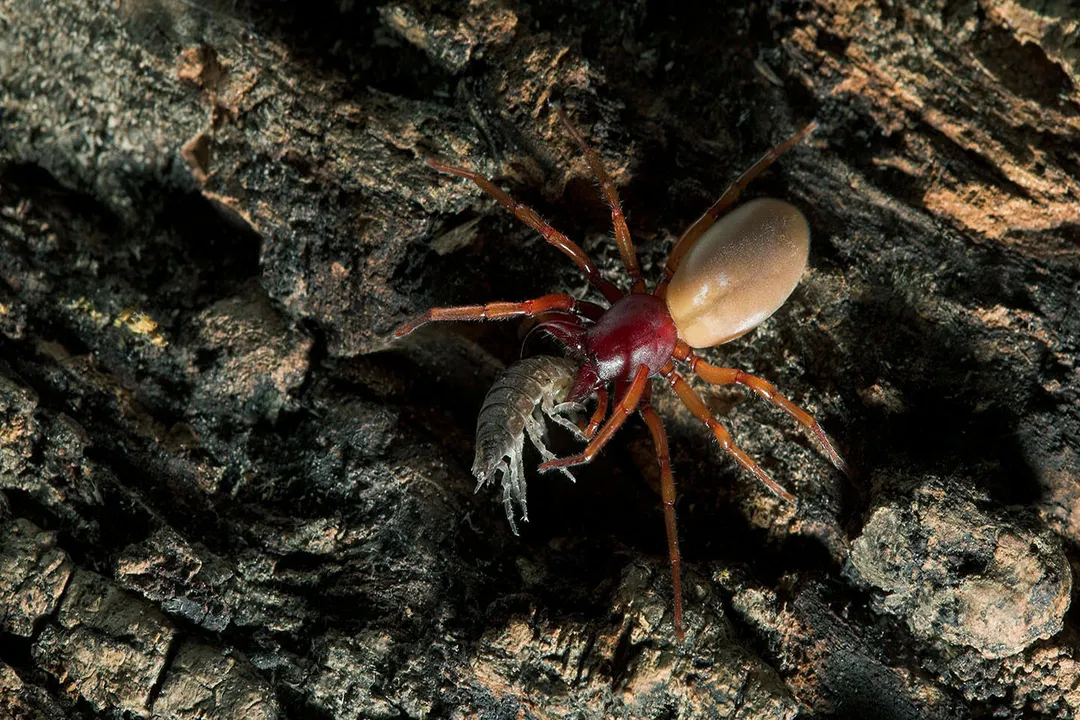
Even a specialist must adapt when the primary resource becomes scarce. Although the focus is heavily on woodlice, reports and observations indicate that Dysdera crocata will consume other small invertebrates when woodlice are unavailable or when a different, slower-moving item presents itself. [2][5]
One area of common discussion among enthusiasts is whether they prey on other spiders. [4] In certain circumstances, they have been noted to consume other spiders, which are often found in similar dark, humid locations. [4] However, this is typically opportunistic rather than a primary hunting strategy. [2] They are not web-builders in the traditional sense; they generally hunt actively or ambush prey near their hiding spots rather than relying on a sticky net. [3] This active hunting style means they might take other crawling insects such as small beetles or silverfish if the opportunity arises. [1][10]
For the purposes of understanding their role in a localized ecosystem, it is useful to consider their feeding hierarchy. If we were to map out the typical intake, it would look something like this:
| Prey Item | Frequency/Preference | Notes |
|---|---|---|
| Woodlice (Isopoda) | Primary/Dominant | The core of the diet, driving habitat selection. [2][5] |
| Other Small Invertebrates | Secondary | Includes silverfish, small beetles, and occasionally other slow-moving arthropods. [10] |
| Other Spiders | Opportunistic | Rare, usually only when woodlice are depleted or a small spider wanders too close. [4] |
This distinct preference means that a location with a healthy population of D. crocata is likely also harboring a significant, possibly unseen, community of woodlice beneath the surface detritus. [3]
# Habitat and Feeding Connection
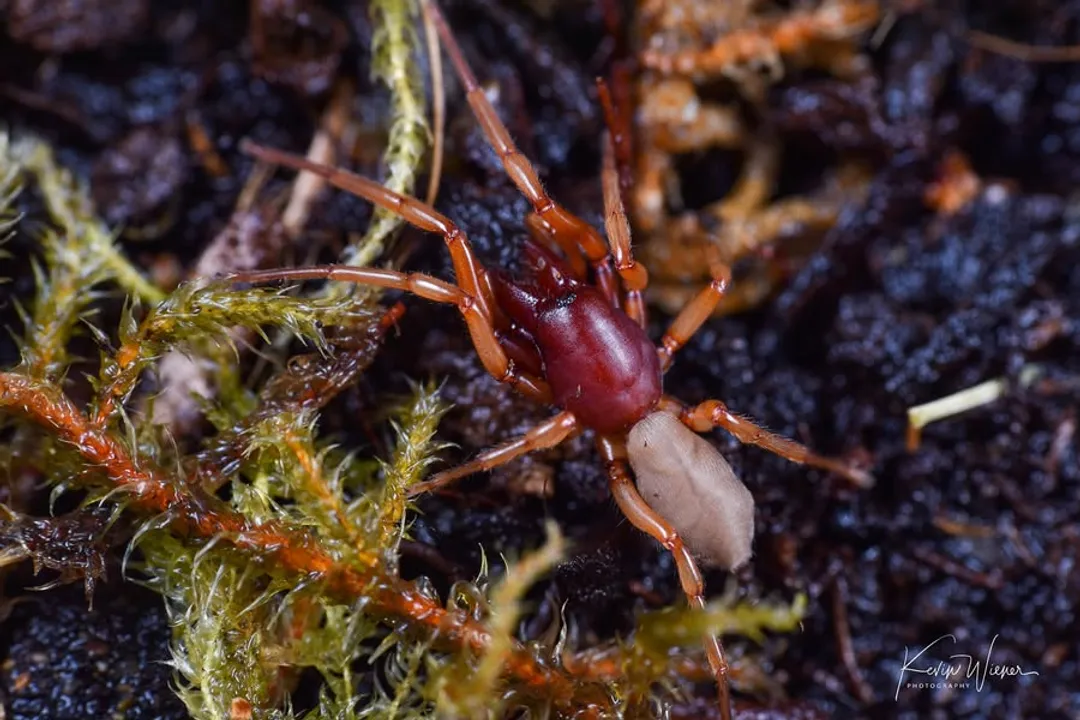
The Woodlouse Spider’s dietary requirements directly dictate where people are most likely to find them, which is an important piece of practical knowledge for homeowners or gardeners. [3] Since woodlice require consistent moisture and darkness to survive—they breathe through modified gills and must avoid desiccation—the spider follows suit. [2]
You will rarely find a Woodlouse Spider out in the open, sunny lawn or high up on a window screen, which is common for orb-weavers or jumping spiders. [5] Instead, they prefer ground cover, mulch, leaf piles, under stones, or inside damp basements and sheds. [3][10] Their hunting strategy is therefore tied to the ground layer. They don't construct large capture webs; rather, they create silken retreats or small sheet-like mats near the ground to rest upon or use as a tripwire near an entrance to their hiding spot. [3][9] When a potential meal, like a woodlouse foraging for decaying matter, blunders too close to this retreat, the spider launches an attack. [3]
Considering this habitat dependency offers a practical insight for those wishing to observe them without disturbing their environment. If you are turning over compost bins or lifting damp sheets of plywood in the yard, you are looking directly into the spider's larder. A careful approach, perhaps using a soft brush and a clear container, allows observation of the spider without undue stress to the creature, giving you a better chance to see its specialized tools in action against its preferred quarry. [9] Conversely, for pest management, the presence of many Woodlouse Spiders might indicate a persistent, damp woodlouse problem that needs addressing at the source—managing moisture and removing decaying organic matter where the woodlice breed—rather than focusing on the spiders themselves. [5]
# Active Pursuit Mechanics
The act of feeding for Dysdera crocata is characterized by its directness, a departure from the patience often required by web-builders. [3] Once prey is located, the spider rushes out from its hiding spot. [3] The capture is often swift, relying on powerful legs to hold the struggling prey while the formidable chelicerae find purchase. [1]
A fascinating aspect of the Woodlouse Spider’s feeding relates to how it handles prey that might roll up defensively, such as the pill bug. [4] While the sources don't explicitly detail the maneuver used to unroll a successfully defended pill bug, the combination of strong, gripping appendages and specialized venom suggests they can either wait for the woodlouse to uncurl out of necessity or use force to pin it down and penetrate the vulnerable joints or the less-armored underside. [1][2] This active predation relies more on speed and biting power than on the sheer adhesive quality of a large web structure. [3]
It is important to note the distinction between the Woodlouse Spider and other common household spiders often confused with it. House spiders, which typically build messy, irregular webs, consume a broader range of soft-bodied insects caught in those webs. [4] The Woodlouse Spider, preferring to stalk or ambush its armored meal, avoids that sticky trap-building lifestyle almost entirely. [3][9] This difference in hunting style influences where one finds them indoors—the basement or garage floorboards are more likely haunts than high ceiling corners. [5] Understanding this dietary driver helps explain why you might see one inside during a dry spell outdoors; they are simply following their primary food source indoors to find reliable humidity. [2]
Related Questions
#Citations
Woodlouse spider - Wikipedia
Woodlouse Spider (Dysdera crocata) - Woodland Trust
Woodlouse Hunter Spider - Penn State Extension
Can house spiders eat woodlouse? - Reddit
Woodlouse Spiders Identification | Pest ID - Bug Out
This is a female Woodlouse Hunter Spider (Dysdera crocata). They ...
Woodlouse Spider - Dysdera crocata - NatureSpot
The Woodlouse Spider - Holmes Lawn & Pest
Woodlouse Spider - Dysdera crocata - iNaturalist
Woodlouse Spider Animal Facts - Dysdera crocata