What is the life cycle of a yellow sac spider?
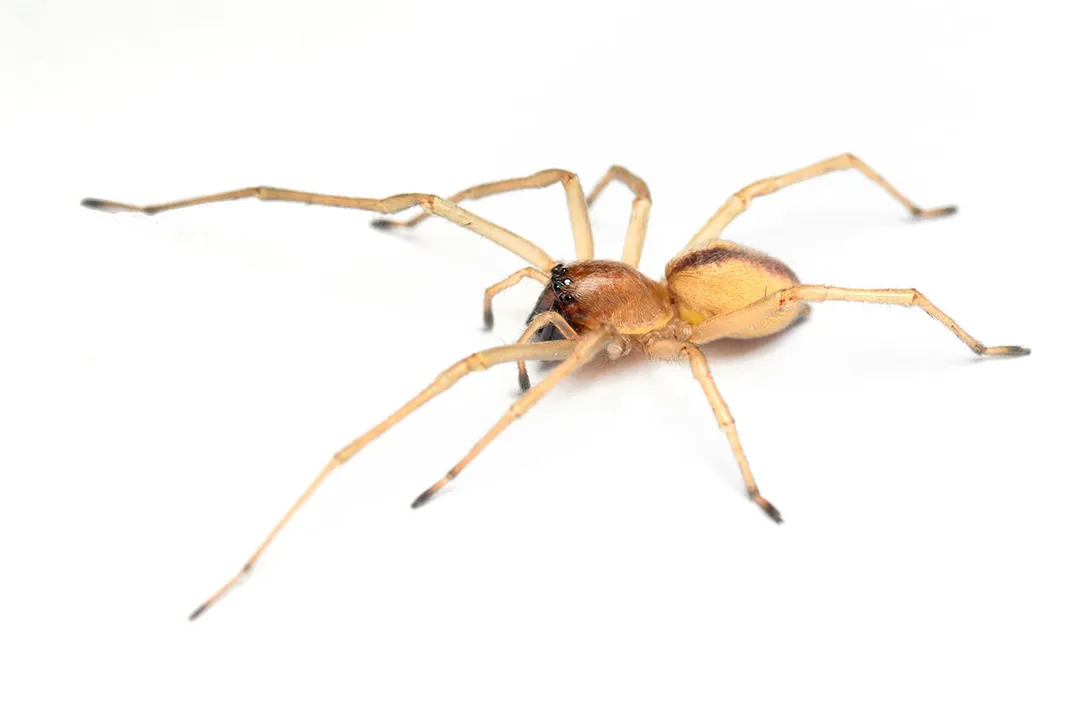
The life cycle of the yellow sac spider, often belonging to the genus Cheiracanthium, is a relatively straightforward progression through egg, nymphal stages, and finally, adulthood, though the timing of these stages is heavily influenced by local climate and environment. [1][4] These small, pale spiders, typically ranging from pale yellow to greenish-yellow, are known more for their tendency to wander indoors than for their complex social structure. [2][3][7] Tracking their development reveals a pattern defined by protective silk structures and several growth phases before they reach maturity. [2][5]
# Initial Stage Egg
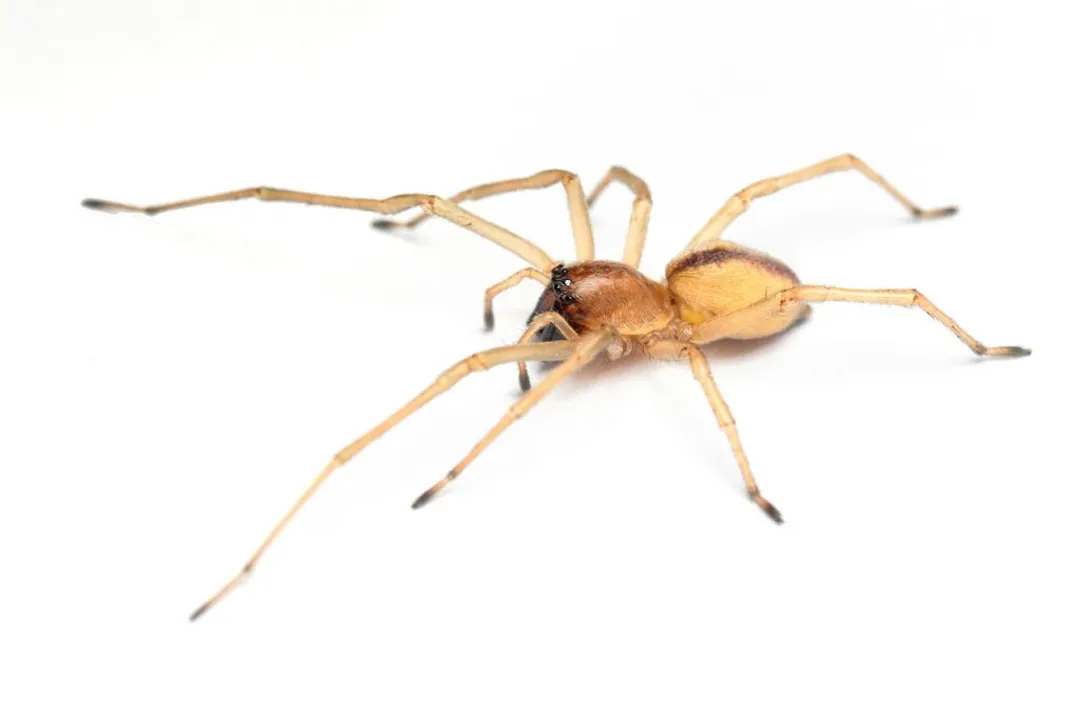
The cycle begins with the female spider, which constructs a silken egg sac to protect her developing offspring. [1][5] This sac is not usually found suspended in an open web, as these spiders are active hunters, or vagrants, rather than web-builders for capturing prey. [2][4] Instead, the egg sac is often hidden in dense foliage outdoors, under bark, or in secluded corners within structures. [1][5]
The appearance of the egg sac itself is a key identifier for this stage. It is typically a small, silken, pear-shaped or oval structure, usually about half an inch in diameter, and is often whitish or pale yellow. [1][5][10] Inside this protective casing, the female deposits a clutch of anywhere from just a few eggs up to around 100, though averages frequently fall between 40 and 60 eggs. [1][5][10] Some sources note that the female may deposit multiple egg sacs throughout the season. [5]
# Hatching Events

Once the eggs are laid and secured within the sac, incubation begins. [5] The time required for the eggs to hatch varies significantly based on temperature. In warmer conditions, development proceeds much faster than when temperatures are cooler. [4] While specific incubation periods can vary between species and precise conditions, hatching generally occurs within a few weeks after deposition. [1]
Upon hatching, the spiderlings, or first-stage nymphs, emerge from the egg sac. These juveniles look remarkably similar to the adults, though they are much smaller and may lack the distinctive adult coloration or fully developed reproductive organs. [1][2] They are often translucent or very pale at this stage. [2]
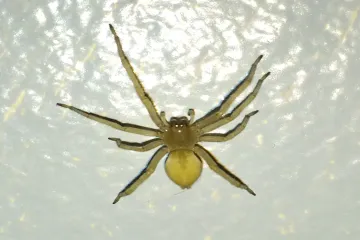
# Nymphal Development
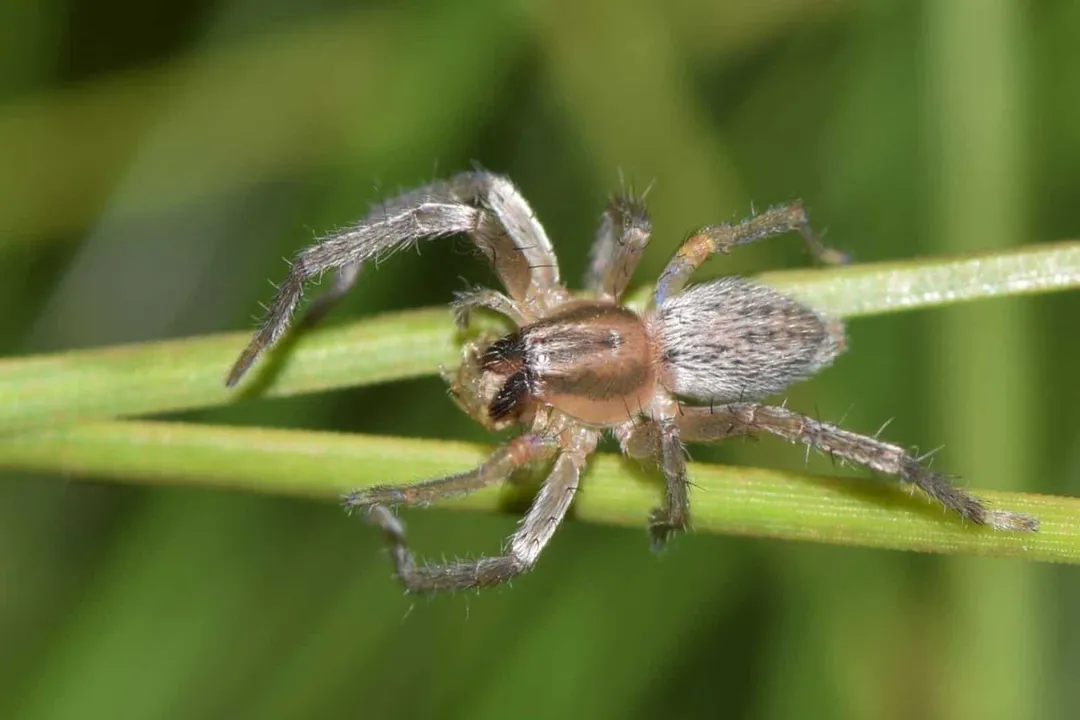
The period between hatching and reaching full sexual maturity is spent in the nymphal stage, characterized by several molts. Since they lack the ability to expand their hard external skeleton, growth necessitates shedding the old cuticle—a process called ecdysis.
The number of times a yellow sac spider molts before reaching its final adult instar (stage) is reasonably consistent across descriptions for common species like Cheiracanthium inclusum. [9] Most sources indicate that they undergo five to seven molts. [5][9] Each molt allows the spider to increase in size and gradually attain the characteristic pale yellow or greenish hue of the mature spider. [2]
A fascinating aspect of this development involves the temporary use of silk retreats. While the egg sac is strictly for reproduction, the nymphs and the adults also spin small, silken sacs, often referred to as retreats, whenever they are preparing to molt. [2][3] The spider seals itself inside this temporary dwelling before shedding its skin. Considering the difference in purpose, one might initially assume the silk structure is only for egg-laying, but it is actually a critical element for all stages facing this vulnerable period of growth or renewal. [2][3]
# Adulthood and Longevity
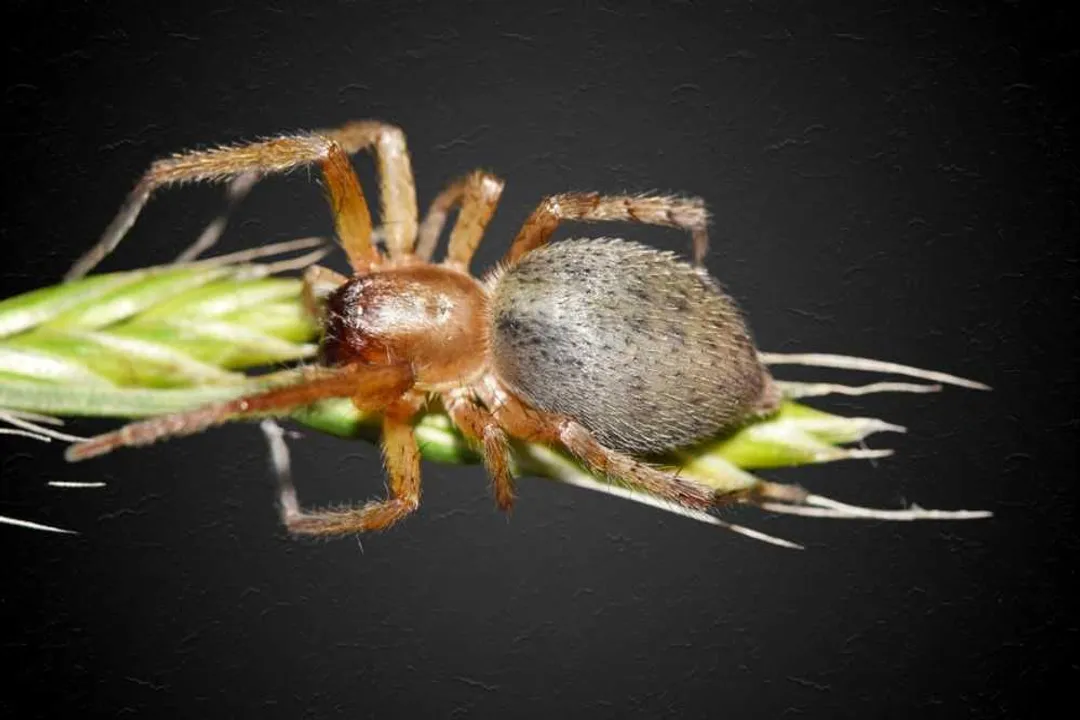
After the final molt, the spider is considered an adult. Males and females look generally alike but differ in size and structure. [1] Males are typically smaller and more slender than females. [5] Once mature, their primary focus shifts to feeding and reproduction.
The overall lifespan is generally considered to be about one year. [4] However, the specific timing of the life cycle—how many generations occur within that year—is highly dependent on geography and environment. [4]
# Generational Cycles
The number of generations a yellow sac spider completes within a single year, known as its voltinism, is a critical factor in their population dynamics and indoor activity levels. [4]
In temperate or cooler climates, the cycle often leans toward being univoltine, meaning only one generation completes its entire development from egg to adult within the active season. [4] In these regions, the spiders that emerge in the spring will mate and lay eggs, and the resulting offspring might overwinter as late-stage nymphs or young adults, waiting for warmer weather to mature the following year. [4]
In contrast, warmer areas or stable indoor environments that provide consistent temperatures year-round can support bivoltine or even continuous generations. [4] If conditions are ideal, a spider may complete the entire egg-to-adult process more than once within a 12-month period. [4] This difference in developmental pace is significant; a northern population might disappear entirely indoors once cooler weather hits, whereas populations in southern locales or climate-controlled buildings might persist year-round. [4][10] This means that while the maximum lifespan is roughly a year, the developmental timeline for any single individual can compress substantially under favorable, warm conditions. [4]
# Overwintering Behavior
The strategy for surviving the cold months is directly tied to the generational timing. [4] Spiders that are univoltine usually survive the winter as adults or late-stage nymphs that have already progressed significantly through their growth phases. These individuals emerge early in the spring to begin reproduction, starting the next cycle. [4] They seek sheltered locations, often utilizing the protection offered by the structure of buildings, mulch, or leaf litter when outdoor temperatures drop. [4][10] The ability to survive as a more developed spider, rather than as an egg, is a key survival mechanism in regions with harsh winters. [4]
# Habitat Context and Appearance Consistency
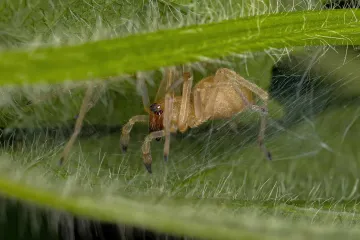
While the life cycle details the progression of time, the spider's habitat dictates where we observe these stages. Yellow sac spiders are primarily outdoor dwellers, favoring dense vegetation, shrubs, and woodpiles. [1][4] They only enter homes frequently as they search for mates or, later in the season, suitable overwintering sites. [2][7]
It is important to note the variation in their appearance across these stages, as identification can be tricky. [1][9] While they are generically called "yellow sac spiders," the specific shade can vary; some individuals retain a greenish tint, which can sometimes lead to confusion with other common house spiders. [1][2] Furthermore, the markings on the abdomen—often faint, broken, or continuous transverse lines—can be present or nearly absent depending on the specific species or even the environmental stress during development. [1][5]
| Stage | Approximate Duration (Variable) | Key Activity | Primary Location |
|---|---|---|---|
| Egg | A few weeks (Temperature dependent) | Incubation | Within silken egg sac |
| Nymph (Instars 1-5/7) | Several weeks to months | Feeding and Molting (in retreat sacs) | Foliage, bark, under debris |
| Adult | Remainder of the year | Mating and Egg Laying | Varied, moving indoors seasonally |
# Final Thoughts on the Cycle
The life cycle of the yellow sac spider is fundamentally driven by favorable temperatures, which dictates whether it will produce one or multiple successful reproductive cohorts annually. [4] From the moment the female secures her eggs in a protective silk purse, through the numerous growth spurts marked by the construction of temporary molting retreats, the spider is engaged in a race against seasonal change. [2][3] Successfully reaching adulthood allows the final generation of the year to find a safe place to wait out the cold, restarting the familiar process when spring returns. [4]
Related Questions
#Citations
Yellow Sac Spiders
Everything You Need to Know About Yellow Sac Spider
Yellow Sac Spiders Identification | Pest ID
Yellow sac spiders - Plant & Pest Diagnostics
Cheiracanthium inclusum | INFORMATION
Yellow Sac Spiders: Identification and Removal
The Yellow Sac Spider
Yellow Sac Spiders in Idaho
Cheiracanthium inclusum
Yellow Sac Spider: Facts & Identification Guide