Besides common cracks and gaps, what documented means of entry has D. crocata used to enter dwellings?
Answer
Agricultural products like grapes
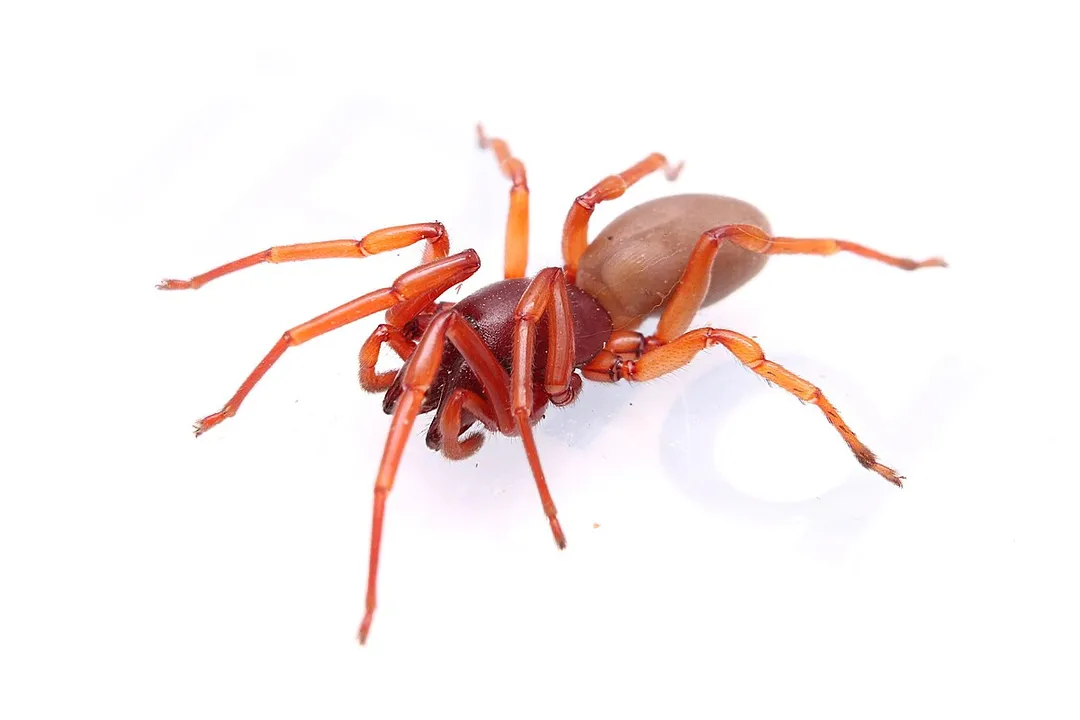
The methods by which woodlouse spiders gain entry into human dwellings are often opportunistic, involving slipping through small cracks around poorly sealed entry points like doors or windows. However, documentation shows a specific, non-traditional pathway: *D. crocata* has been documented arriving via agricultural products, with grapes specifically cited as one such item that can bring an infestation indoors. This means that produce brought in from outside sources can inadvertently initiate an indoor presence. When seeking to exclude them, sealing lower perimeter gaps is most effective, as they rarely ascend far from ground level seeking shelter, unlike insects that might climb higher.
Related Questions
Where does the geographical origin of the woodlouse spider, Dysdera crocata, trace back to?What distinct physical feature leads to alarm or misidentification in Dysdera crocata?Which structural hideaway is cited as the most frequently cited location for D. crocata indoors?During which season is the woodlouse spider often cited as the most common time to encounter them?What material forms prime outdoor sanctuaries for D. crocata during the day?The presence of Dysdera crocata is almost entirely dictated by the location of which armored prey?How does the woodlouse spider hunt compared to orb-weavers or cobweb spiders?Besides common cracks and gaps, what documented means of entry has D. crocata used to enter dwellings?What is notable about the spiderlings after the female D. crocata deposits her eggs?In North America, the distribution of D. crocata stretches westward as far as which state?