West Siberian Laika Locations
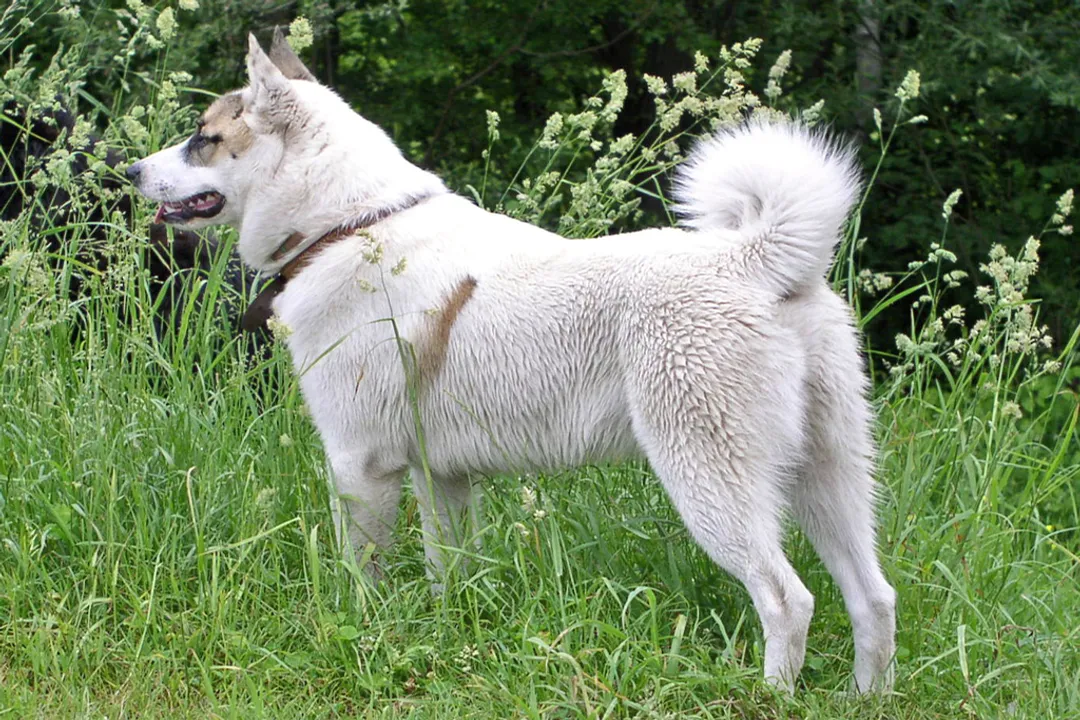
The West Siberian Laika's story is deeply rooted in the unforgiving environment from which it was forged, making any discussion of its current locations start with a deep dive into the vastness of its Siberian homeland. This spitz-type hunting dog, known in its native tongue as Zapadno-Sibirskaya Laïka, traces its heritage to the indigenous peoples of the North Ural and West Siberia, specifically the Mansi and Khanty. These ancient populations relied on dogs that were hardy, intelligent, and profoundly connected to the taiga, selectively breeding them not for aesthetics but for pure utility in hunting and survival. The name itself, derived from the Russian verb layat (to bark), signifies their primary job: a bark pointer that marks game location with vocalizations.
# Siberian Origins
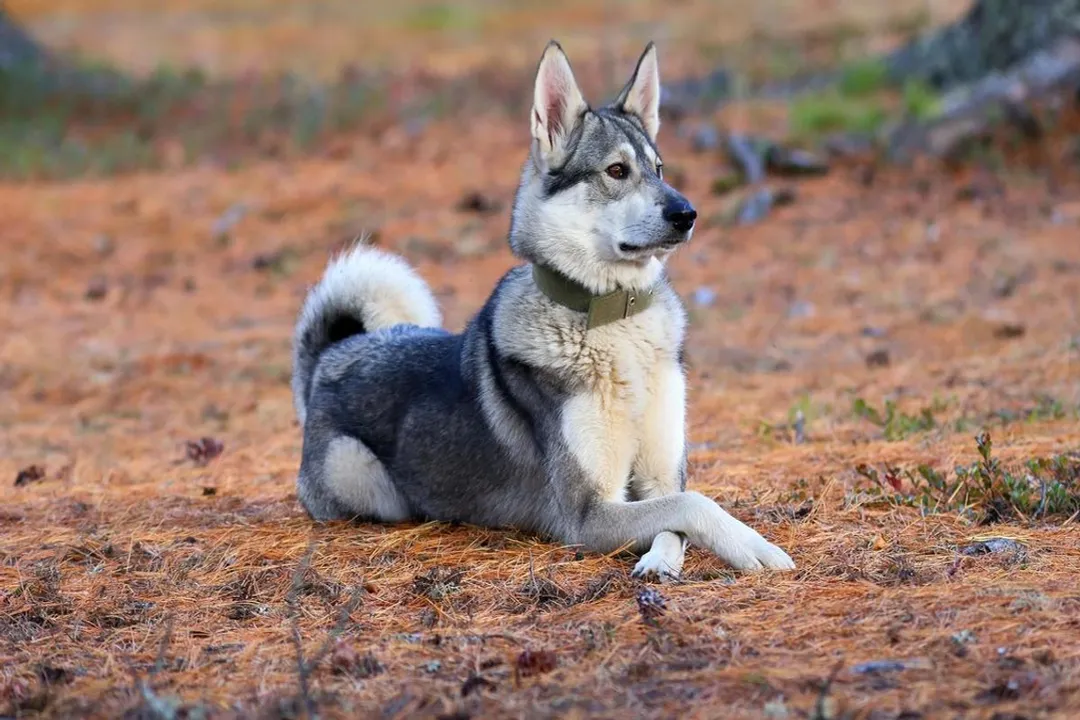
The West Siberian Laika (WSL) is one of four recognized Russian Laika breeds established through systematic breeding programs that began in earnest around the 1930s, with post-WWII efforts solidifying their modern shape in 1946. Before this formal standardization, hunters simply recognized the local varieties, such as the Mansi Laika and Khanty Laika. These aboriginal types were spread across large, sparsely populated territories in northeastern Europe and Siberia. The very process of their development favored dogs capable of extreme endurance and persistence necessary for hunting everything from small game like grouse and squirrel to dangerous predators like bear and moose. This intensive, almost merciless selection in the wild meant that the dogs that survived and reproduced were inherently adapted to their harsh, remote locations.
The physical characteristics that define the WSL—a thick double coat, medium build, and wedge-shaped head—are direct adaptations to this environment. Dogs living in colder climates developed thicker coats, illustrating how environmental location directly dictated their physical form. While the breed is now more numerous far beyond its original range, its foundational purpose remains tied to the demands of the Russian wilderness.
# Russian Distribution
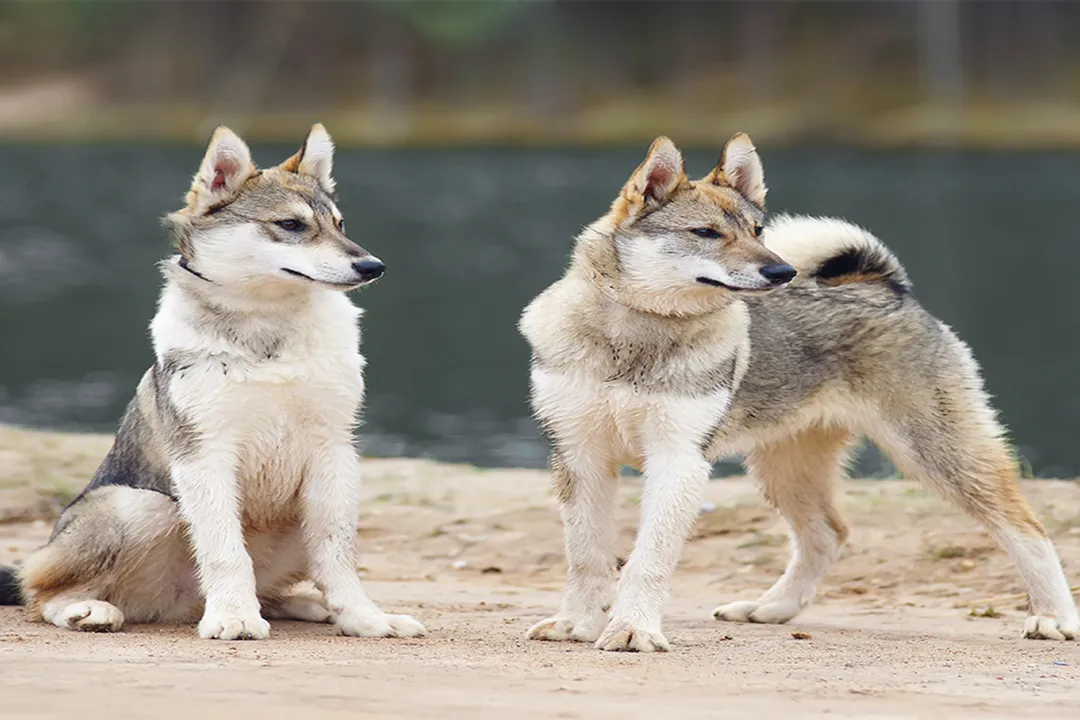
Within modern Russia, the geographical spread of the West Siberian Laika is impressive, covering virtually all wooded regions. They are reported to be widely distributed from Karelia to Kamchatka. This expansive range suggests that while the breed was formalized in specific areas, its working ability allowed it to integrate into hunting communities across a massive climatic and ecological spectrum. For the approximately 40,000 people in Russia, particularly in West and East Siberia, who still rely on hunting sable and other furbearers, a good Laika remains an invaluable asset. Specialized kennels exist in several hunting areas across Russia, dedicated to maintaining these working lines. It is important to note that despite their versatility, the WSL is primarily a hunter; traditionalists in the region would never use a quality hunting dog for draft work, viewing it as wasting a valuable tool, like using a fine dagger to chop wood.

# Transcontinental Presence
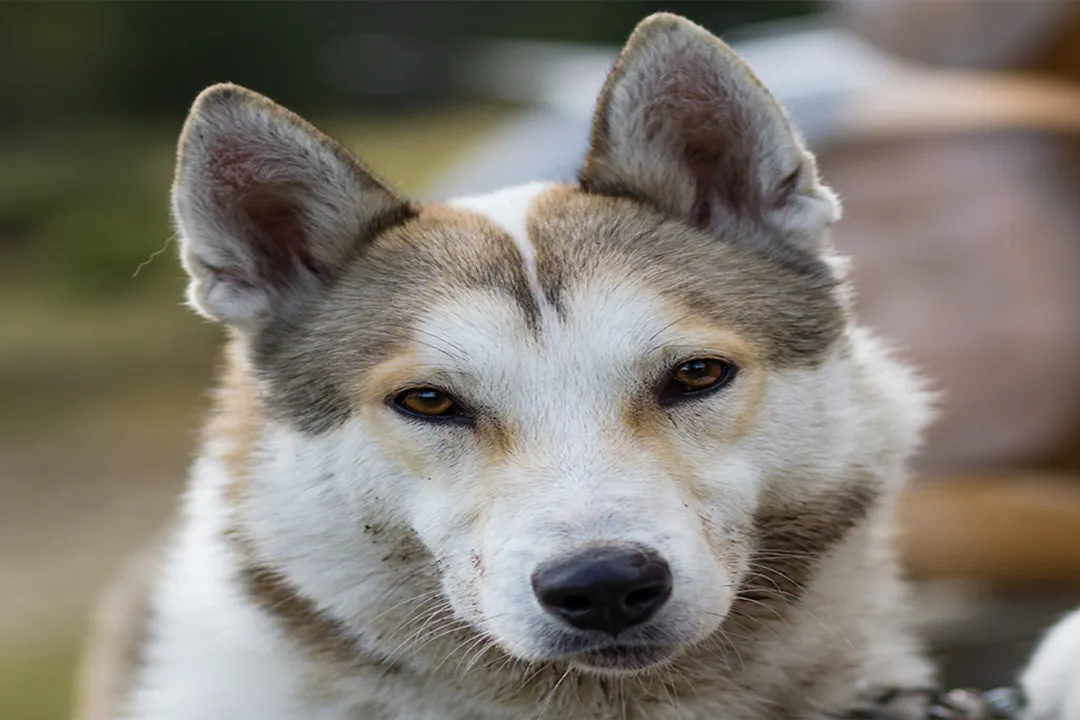
The locations of the West Siberian Laika extend past Russian borders, albeit often in smaller pockets of devoted enthusiasts. A notable instance of their presence outside the former USSR is in Germany, where they were introduced largely following the Russian army units stationed there after World War II. In these new settings, the breed has found a niche as a Gebrauchshund—a functional working dog—often tasked with hunting wild boar or tracking wounded game, even where their native prey species are absent. Their natural ability to adapt their hunting instincts to new quarry, like the raccoon or raccoon dog, speaks to their innate versatility, allowing them to establish footholds wherever dedicated hunters require their specific skill set.
# North American Locales
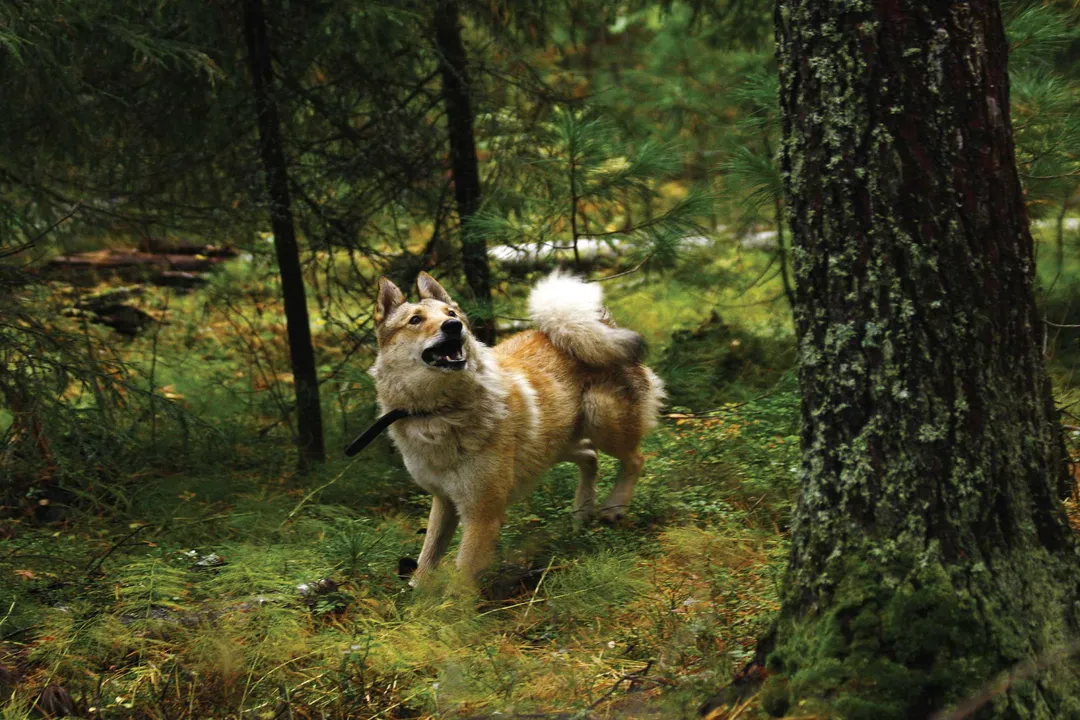
When considering the WSL locations in countries like the United States, the map becomes less about ancestral territory and more about the scattered network of responsible breeders and dedicated owners. Unlike breeds widely popular in the US, the WSL maintains a more specialized, niche presence, often serviced by small-scale, ethical breeders. For instance, an inquiry into finding puppies near St. Louis, Missouri, reveals a network extending into neighboring regions, with breeders listed in Michigan serving the demand. This dispersal shows that enthusiasts must often look beyond their immediate metropolitan area to find a puppy from an ethical source.
The search radius around a central point like St. Louis, MO, reveals just how widespread the influence of a few breeders can be, encompassing numerous surrounding municipalities and nearby states. This network includes areas such as:
- Missouri: University City, Oakville, Chesterfield, Wildwood, St. Peters, O'Fallon, Wentzville, Jefferson City, and Columbia.
- Illinois: Belleville, Springfield, Decatur, Quincy, Pekin, Bloomington, Normal, and Peoria.
This geographical clustering, even in a relatively concentrated area like the St. Louis metroplex and its surroundings, suggests that the availability of a West Siberian Laika is tied to the presence of a small, dedicated subculture of hunters and outdoors-oriented families rather than broad commercial popularity. Potential owners often need to be prepared for transport or to work with rescuers who may transport dogs from across the country.
The nature of the breed itself dictates the type of modern location that is most suitable. These dogs possess boundless energy and high drive; when bored or penned up, they can become destructive, attempting to dig under fences or chew through enclosures. This behavioral tendency suggests that the most successful modern locations for a WSL are not dense urban centers but rather homes with significant access to active outdoor pursuits, such as hiking trails, large fenced yards, or proximity to hunting grounds, regardless of whether the owner actively hunts.
The commitment required by a dedicated owner in a place like the Midwest contrasts sharply with the breed’s historic environment. In Siberia, the Laika was the environment; its purpose was constantly fulfilled by the necessities of life. Today, an owner in, say, St. Charles, MO, must recreate that environment through structured training, rigorous daily exercise, and engagement with the dog’s intelligence. This necessity to substitute natural necessity with owner dedication influences where people realistically choose to keep these dogs.
When analyzing the presence of the West Siberian Laika across North America, it becomes clear that their current location profile is characterized by dependency rather than prevalence. Unlike a breed like the Labrador Retriever, which has localized centers of production across the entire continent, the WSL's distribution is inherently fragmented, relying on a few key kennels, like the mentioned ones near St. Louis. This low population density means that prospective owners are not merely choosing a location to acquire a dog; they are actively joining a small, geographically dispersed community that vets breeders intensely, often preferring platforms that emphasize ethical practices and breeder vetting to ensure the health and working potential of the lines. This contrasts with the traditional Russian method, where quality was assured through harsh, real-world selection in the taiga.
The breed standard recognizes that environmental adaptation is key to coat quality; dogs in warm climates may have thinner coats than those in the cold regions of their origin. This subtle point suggests that while the breed is adaptable, their optimum environment for health and coat integrity might lean toward regions experiencing significant seasonal temperature variations, mirroring the conditions that maintained their ancient thick double coat.
The core of understanding West Siberian Laika locations today is recognizing that their purpose follows them. Whether in the forests of their native Russia or a large, wooded property near a city in Illinois, they require a location that supports their need to work, point, and stay mentally active. The location isn't just where the dog sleeps; it's the available acreage and activity level of the surrounding lifestyle that truly defines a suitable home for a WSL.
Related Questions
#Citations
West Siberian Laika - Wikipedia
The West Siberian Laika to the East Siberian Laika - Project Upland
West Siberian Laika Facts - Dog Breeds - Wisdom Panel
25 cute West Siberian Laika puppies for sale in St. Louis, Missouri
West Siberian Laika | Royal Canin IS