Woodlouse Spider Locations
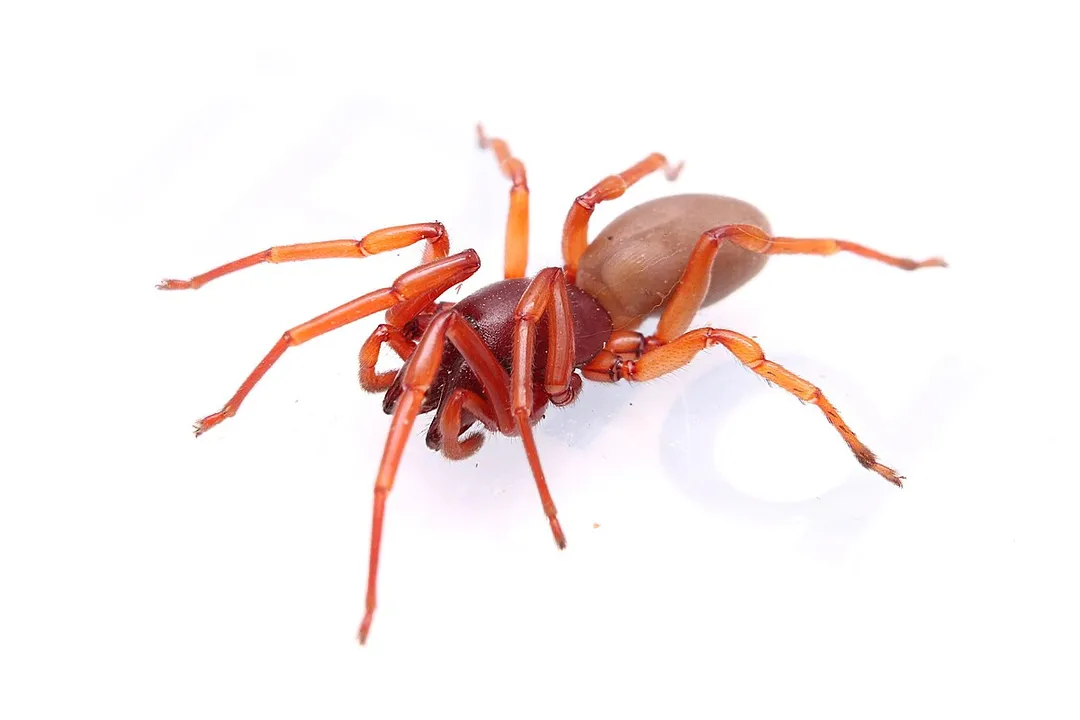
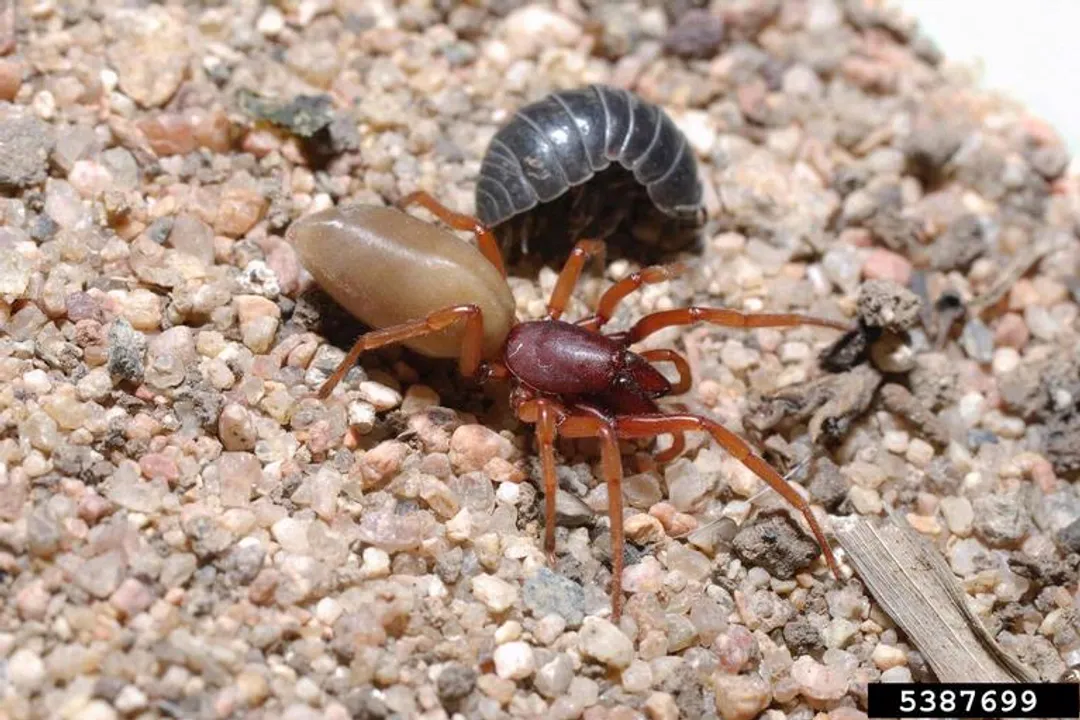
The presence of the woodlouse spider, Dysdera crocata, [3] in a specific location is almost entirely dictated by the location of its preferred, armored prey: woodlice, which are known by many regional names such as sowbugs, pillbugs, and roly-polies. [2][3] This preference for subterranean, damp-loving crustaceans means that the spider’s preferred environment is one that offers both suitable prey density and protection from daylight and desiccation. [3] Observing where these spiders choose to reside, both in the wild and around human structures, provides a clear map of their microhabitat requirements. [5]
# Global Range
The Dysdera crocata spider has achieved a remarkable geographical spread, a testament to its successful introduction across various continents. [3] Its origins trace back to the Mediterranean area, [3] but it has since become established globally, demonstrating a cosmopolitan distribution. [3] This includes finding populations across Eurasia, reaching parts of South America, Australia, and New Zealand. [3]
In North America, the distribution is quite broad, stretching from the Atlantic coast deep into the interior. [2][4] Specifically, the range covers New England down to Georgia, with populations extending westward as far as California. [1] The species has also established itself across the Midwest, with sightings reported in states like Illinois and Indiana. [4] Furthermore, populations have expanded westward, becoming more common in western states such as Utah. Interestingly, within some regions, such as Pennsylvania, D. crocata is noted as being the sole representative of the family Dysderidae present. [1] Across the United Kingdom, the spider can be found wherever its main food source thrives, generally in gardens and other damp environments. [5]
# Outdoor Habitats

Outside of structures, the woodlouse spider seeks out the exact conditions that attract its prey: moisture, darkness, and available shelter in the form of debris or crevices. These spiders are nocturnal hunters, [3][6] meaning their daytime locations are strictly defined by the need for security and concealment. [5]
Prime outdoor locations are rich in the materials that retain moisture and offer ready access to woodlice populations. This includes setting up daytime sanctuaries under logs, rocks, and bricks. [3] Areas with heavy leaf litter are excellent places to search, as are woodpiles, mulch, and under plant pots. [3][6] The spider is not necessarily tied to the wood itself, but rather the moist, shaded environment the wood or debris creates. [4]
When you are examining a garden or yard for the presence of this spider, it is important to understand that their location is transient based on the time of day. During the day, they are hidden within a self-made silken retreat. [3][5] These lairs are used for resting, molting, and safeguarding eggs. [6] They may construct these retreats to fully enclose crevices in partially decayed wood, or sometimes weave simple tent-like structures among large rocks. [3]
When considering where to find them in a temperate climate, while they are active year-round, the spring is often cited as the most common time to encounter them, likely correlating with mating activity. [5] If you are clearing garden debris, taking care when turning over old paving stones or moving log stacks is prudent, as you might disturb an active hunter or its daytime shelter.
A helpful approach for gardeners is to recognize that the presence of woodlouse spiders is generally a positive indicator of natural pest control. A yard with these spiders is likely keeping woodlouse populations—which are considered notorious plant pests—in check. [6][7] If you are managing a vegetable patch or flower beds, consider creating a buffer zone of relatively clear ground, perhaps three to five feet wide, immediately surrounding high-value areas or the home's foundation, while leaving natural debris piles further out in less cultivated spaces. This strategic dispersal can encourage the spiders to patrol the periphery of your garden rather than seeking shelter directly against the house during their nightly hunts. [6]
# Structural Hideaways
Woodlouse spiders readily integrate into human structures, particularly in areas that mimic their favored outdoor microclimates. When they enter a dwelling, they are usually looking for two things: a secure, dark place to rest during the day and a pathway toward prey, or simply a warm place to overwinter. [1][6]
Inside, the most frequently cited location is the basement. [1][4][6] Basements often provide the necessary high humidity and access to foundations that may contain hidden sources of moisture or prey entry points. [1][6] Other common indoor sightings occur underneath floorboards. [1][6] They are also known to hide near crevices where walls and ceilings meet, constructing their characteristic sac-like retreats there. [2]
For homeowners in regions like the Northeastern and Midwestern United States, indoor encounters might be most common between October and April as the spiders seek refuge for the cooler months. [6] Though they are active hunters, they do not spin large, conspicuous webs for catching prey; rather, their silk is reserved for personal security and reproduction. [3][6] The silken enclosure serves as a private chamber, offering protection from predators and the elements while they wait for nightfall. [5]
Their means of entry are often opportunistic. They may slip in through small cracks and gaps in walls, around poorly sealed doors, or around windows. [6] It is also worth noting that D. crocata has been documented arriving via agricultural products such as grapes, meaning an infestation can sometimes begin with produce brought in from outside sources. [7]
If you find one inside, understanding its preference for moisture provides an actionable insight. While woodlice require significant dampness, the spider itself, with its robust build and specialized diet, may tolerate slightly drier conditions than its primary food source. Therefore, while reducing general household moisture through proper ventilation or dehumidifiers is crucial for long-term exclusion, finding a D. crocata in a drier part of the home (like an upper floor) suggests it is either moving between shelters or is hunting secondary prey like silverfish or crickets, which are less moisture-dependent than woodlice. [3] If you suspect an ingress point, focus on sealing gaps in the lower perimeter of the structure—doors, window wells, and utility penetrations—as these spiders rarely ascend far from ground level seeking shelter. [6]
# Identification Through Location
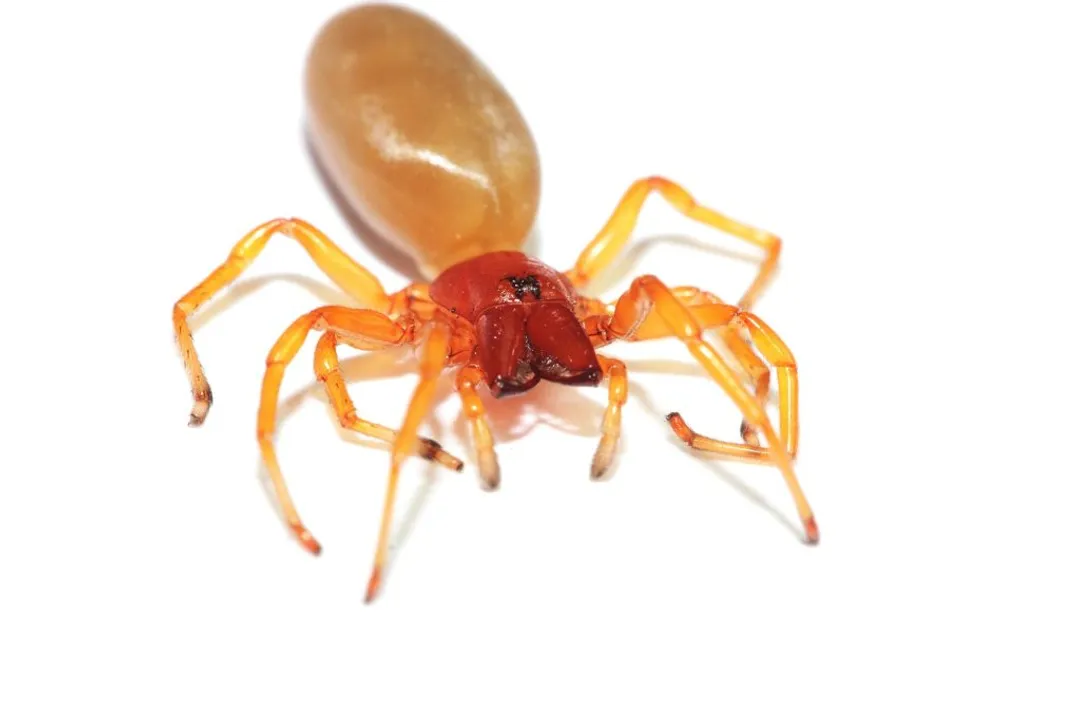
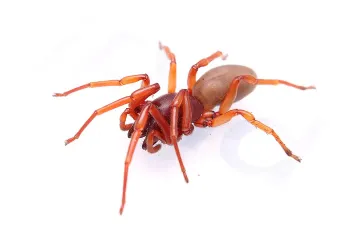
While this article focuses on where the woodlouse spider is found, the nature of its location often necessitates identifying it. Its appearance is quite distinct from many common, darker house spiders. [2] It typically possesses a reddish-orange cephalothorax and legs, contrasting with a shiny, pale beige to yellow-brown or dirty white abdomen. [1][3][7] This reddish hue, combined with its disproportionately large, forward-slanting chelicerae and fangs, often leads to misidentification or alarm. [3]
The six eyes are arranged in an oval configuration. [1] Females are larger, measuring between 11 to 15 millimeters, while males are smaller, around 9 to 10 millimeters. [1][3] A key differentiator from spiders like the brown recluse is that the woodlouse spider lacks the violin-shaped marking on its back, and its legs carry a more pronounced orange/red tinge compared to the typically brown coloration of a recluse. [2] This intimidating appearance is a direct result of its hunting strategy: the powerful jaws are adapted specifically to pierce the tough, external armor of its isopod prey. [3]
# Hunting and Activity Zones
The woodlouse spider is an active hunter, not a web-builder for prey capture. [6] This behavioral trait directly influences the zones where they are actively encountered. Since they hunt at night, the spider must patrol the environment where woodlice are most active after dark. [3]
For a spider that specializes in ground-dwelling, detritus-loving prey, its hunting grounds are the ground surface, specifically under objects where isopods hide and congregate. [4] This contrasts sharply with orb-weavers or cobweb spiders that build vertical or sheet webs suspended in the air or across structural corners. If you find a spider actively moving across an open, well-lit area during the day, it is unlikely to be a D. crocata, which prefers to remain concealed until dusk. [5] They are equipped to dominate other small invertebrates they encounter during these nocturnal excursions, including earwigs, millipedes, and even smaller spiders. [3]
The reliance on prey means that any location that supports a high population of woodlice—damp mulch, loose bark, piles of untreated firewood, or consistently damp concrete blocks—will function as a primary feeding zone, and therefore a high-traffic area for this spider. If you observe a significant population of woodlice under a specific feature near your home, you can reliably predict that a woodlouse spider may be hunting nearby during the dark hours. [2]
By synthesizing the known distribution with its preferred microhabitats, one can construct a precise search image for Dysdera crocata. It is a globally distributed, Mediterranean native, now cosmopolitan, thriving wherever moisture-retaining debris exists in both natural settings (logs, leaf litter) and man-made environments (basements, under boards). [1][3][5] They are seeking damp, dark crevices to rest in their silken retreats during the day, emerging after sunset to hunt their crustacean prey on the ground level. [3][4]
# Life Cycle and Spatial Occupation
The spatial occupation of the woodlouse spider is also linked to its reproductive cycle, which further solidifies its choice of location. Mating generally occurs in the spring. [4] Following mating, the female establishes a nest within her silken retreat, where she deposits up to seventy eggs in a sac. [1][3][5]
The female exhibits maternal care, a trait noted across several sources, as the spiderlings remain with the mother in her silken enclosure for an initial period before dispersing. [1][4] This family unit occupies a localized, secure space—often a crevice in wood or under a larger object—until the young are large enough to fend for themselves, which can take a few weeks. [5] This reproductive behavior means that during the late spring and early summer months, you are more likely to find an occupied, protected lair rather than a solitary wandering spider. The young spiders will then begin to establish their own territories, which will mirror the requirements of the adults: darkness, moisture, and proximity to woodlice. Reaching full maturity takes around 18 months, suggesting that a mature population is indicative of a stable, long-term source of their primary food. [4]
Given the consistent pattern of habitat preference—dark, moist, debris-rich—the most actionable advice for managing their presence around the home is two-pronged: manage the food source and deny the shelter. While eliminating all woodlice is counterproductive due to their beneficial role in decomposition and the spiders' predatory value, [6][7] minimizing accessible hiding spots near the exterior walls is sensible. This involves stacking firewood well away from the house, elevating any stored lumber off the ground, and ensuring that dense ground cover or heavy mulch does not touch the siding or foundation. For interior spaces, aggressively addressing leaks and using dehumidifiers in cellars or crawlspaces addresses the humidity aspect, making the environment less appealing for both the woodlice and the spiders seeking them. [6]
Related Questions
#Citations
Woodlouse spider - Wikipedia
Woodlouse Spider Identification | Behavior - Anderson Pest Solutions
Woodlouse Spider Pest Guide | Size, Bites, Threats, and Infestations
Woodlouse Hunter Spider - Penn State Extension
What to Know About the Woodlouse Spider in Your House - Terminix
Woodlouse Spider | USU
Woodlouse Spider (Dysdera crocata) - Woodland Trust
The Woodlouse Spider - Holmes Lawn & Pest