Writing Spider Locations
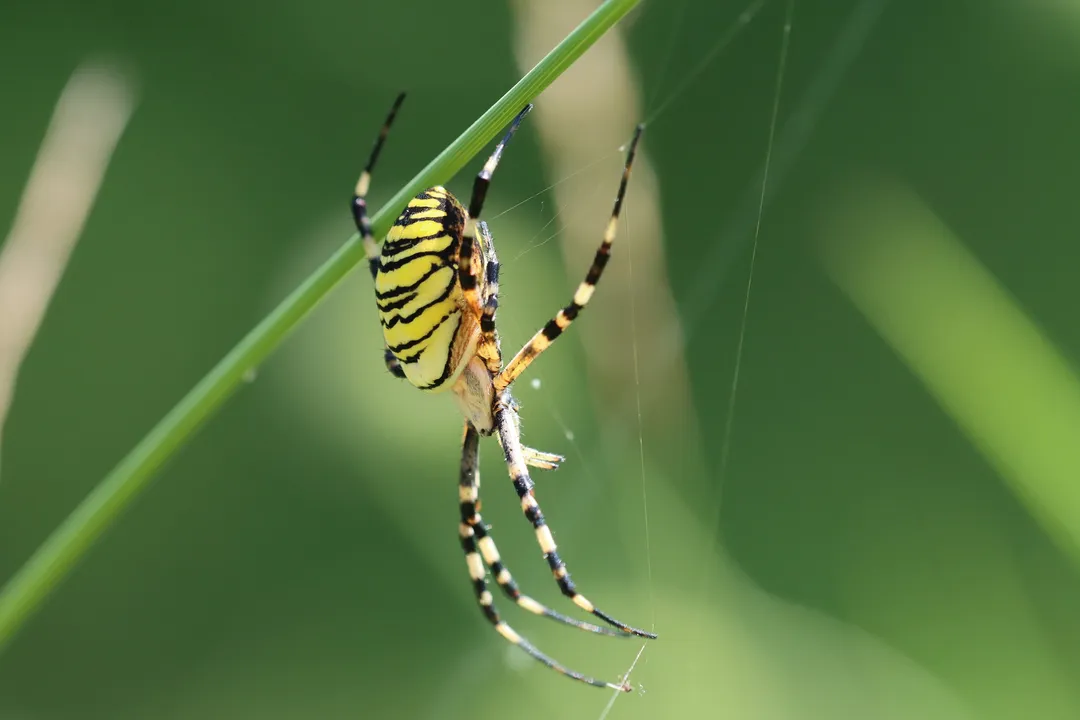
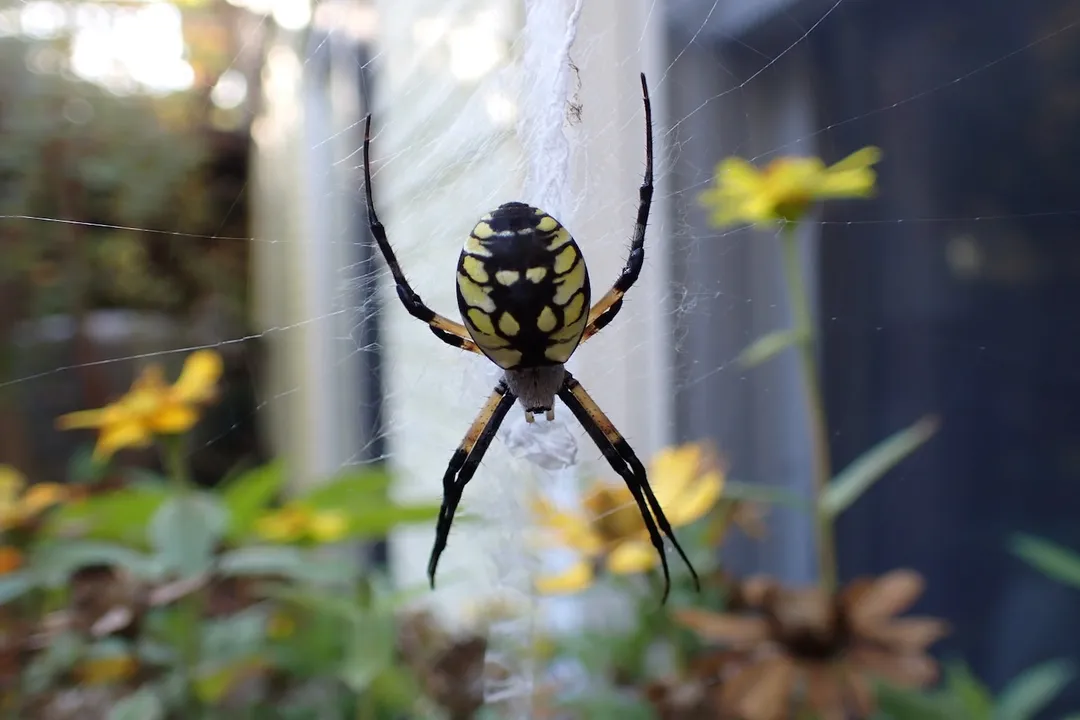
The distinctive, intricately woven architecture that characterizes the Argiope aurantia—more commonly known as the writing spider, black and yellow garden spider, or corn spider—is a fascinating indicator of its preferred locale. [3][4][6] Spotting one is less about finding the creature itself and more about recognizing the tell-tale signs of its highly engineered, often conspicuous, outdoor residence. [5] These spiders are generally found in locations that satisfy a very specific set of environmental demands geared toward maximizing insect interception while minimizing structural damage to their impressive silken traps. [1][3]
# Sun and Shelter
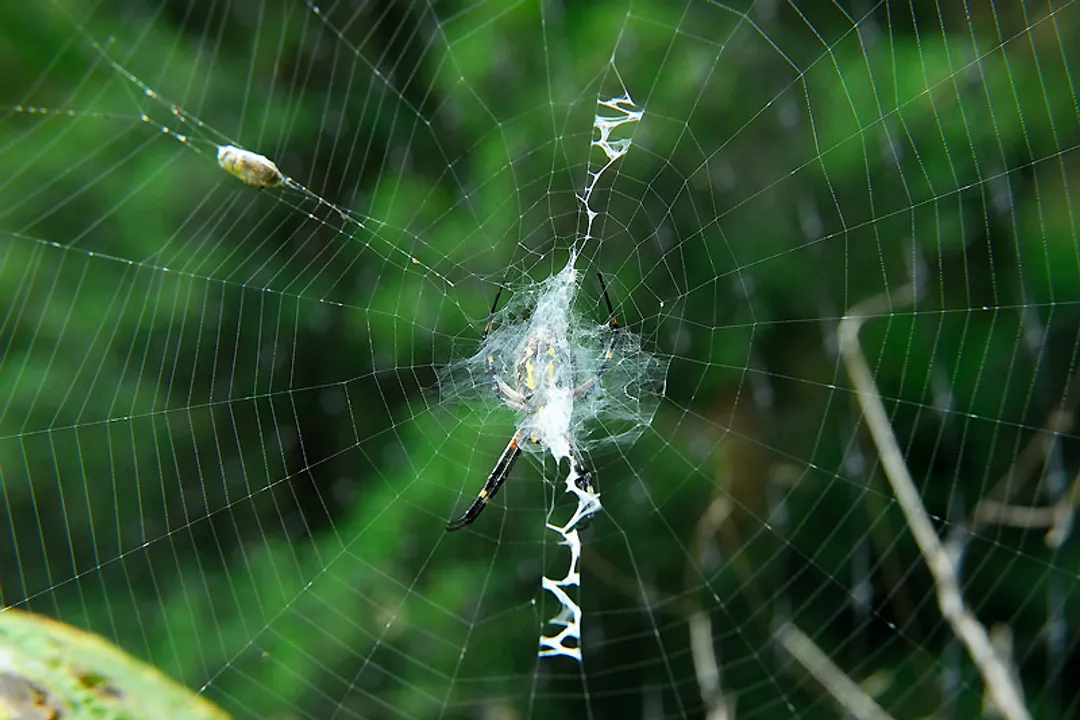
The most critical environmental factor dictating where a writing spider sets up shop is sun exposure. [1][3] These spiders construct their large orb webs primarily in open areas where they can bask in the sunlight. [3][5] This behavior serves a dual purpose: the warmth is vital for their metabolism, and crucially, direct sunlight attracts a higher volume of their flying prey. [1] You will rarely find their webs deep within the shadows of a dense forest canopy; instead, look for them along the sunny fringes or in gaps within the woods. [6][9]
While sun is essential, protection from the elements is equally important for the longevity of the web. An efficient spider aims for maximum insect capture with minimum structural repair. Therefore, a location slightly protected from prevailing winds, but still bathed in sun, represents the optimal engineering compromise for these orb weavers. [1] They secure the anchor lines of their webs to surrounding vegetation—shrubs, tall grasses, or garden structures—seeking the stability that prevents a sudden gust from tearing the entire structure apart. [1][5] A spot where the morning sun hits first but is shielded from the strongest afternoon gusts is often the sweet spot they choose.
# Preferred Hunting Grounds
The name "corn spider" hints at one of their traditional habitats, as they often colonized fields of tall crops. [3] Today, their presence is noted across various cultivated and wild spaces that offer vertical supports and a steady stream of flying insects. [3][6]
Common areas where you can expect to find the writing spider include:
- Gardens and Flower Beds: Areas rich in blooming plants naturally attract various flying insects, making them prime real estate. [6]
- Shrubbery and Hedges: These provide excellent, sturdy anchor points for the web's perimeter lines. [6][9]
- Field Edges and Meadows: Open grasslands offer the necessary clear space for a large, unobstructed web. [6]
- Along Fence Lines: Fence posts or wires often serve as ideal, stable attachment points. [6]
Given their large web size, a successful writing spider location isn't just about insect presence, but about having stable, non-leafy anchor points nearby. A row of sturdy tomato stakes or a well-established, woody perennial offers a superior anchor system compared to delicate annual blooms, leading to longer web persistence throughout the season. [1]
# Web Signature
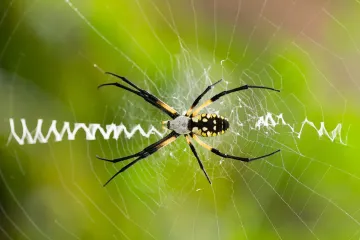
Locating the spider often means locating its web first, and Argiope aurantia possesses one of the most recognizable silk signals in the arthropod world. [3] They build large, vertical orb webs. [4] Central to this structure is the stabilimentum, a dense, zigzag pattern of silk running vertically through the hub where the spider rests. [3][4] This structure is the source of the "writing spider" moniker. [3]
While the exact function of this writing remains debated among researchers, theories suggest it may function to warn birds away from flying into the sticky threads, or perhaps to camouflage the spider by reflecting UV light, making the web more visible to prey. [3][4] When you find one of these elaborate, silvery zigzags stretched taut between two supports in a sunny patch of yard or field, you have pinpointed the spider's hunting zone. [3][5]
# Seasonal Appearance
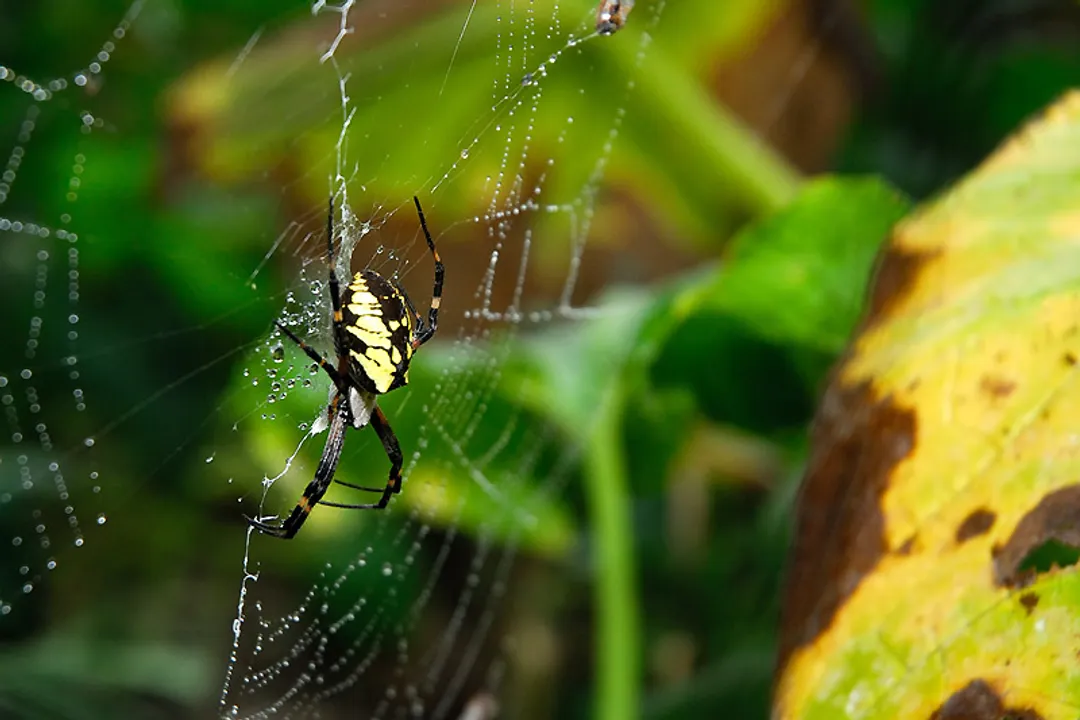
The time of year significantly influences where you are most likely to encounter these arachnids. Writing spiders are typically visible during the warmer months, maturing fully by late summer and early autumn. [3] They overwinter not as adults, but as eggs sealed within a protective, silken egg sac. [3]
As the growing season progresses, the density of available food sources often peaks, leading to a noticeable increase in these spiders establishing prominent webs in established garden areas. [6] Once the first hard frost hits, the adult females die off, leaving behind the overwintering egg sacs, usually attached to low-lying vegetation or structures, which will hatch the following spring. [3] This means that finding active, large spiders is a late-summer phenomenon, often in areas where plants have reached their maximum height and insect populations are high.
# Spider Temperament
Understanding the general disposition of the creature residing in the web helps readers feel more comfortable observing these locations. The large female, known for her striking black and yellow coloration, is the architect of the primary web. [4][6] Despite her size and somewhat intimidating appearance, the writing spider is generally docile and not aggressive toward humans. [5]
Bites are exceedingly rare and typically only occur if the spider is accidentally trapped, such as being squeezed against the skin when someone reaches into dense foliage or accidentally leans on the web. [5] Their venom is not considered medically significant to humans. [4][5] It is worth noting that the male spiders are considerably smaller than the females, often to the point of being overlooked, and they may sometimes be found resting in the periphery of the female's web. [4]
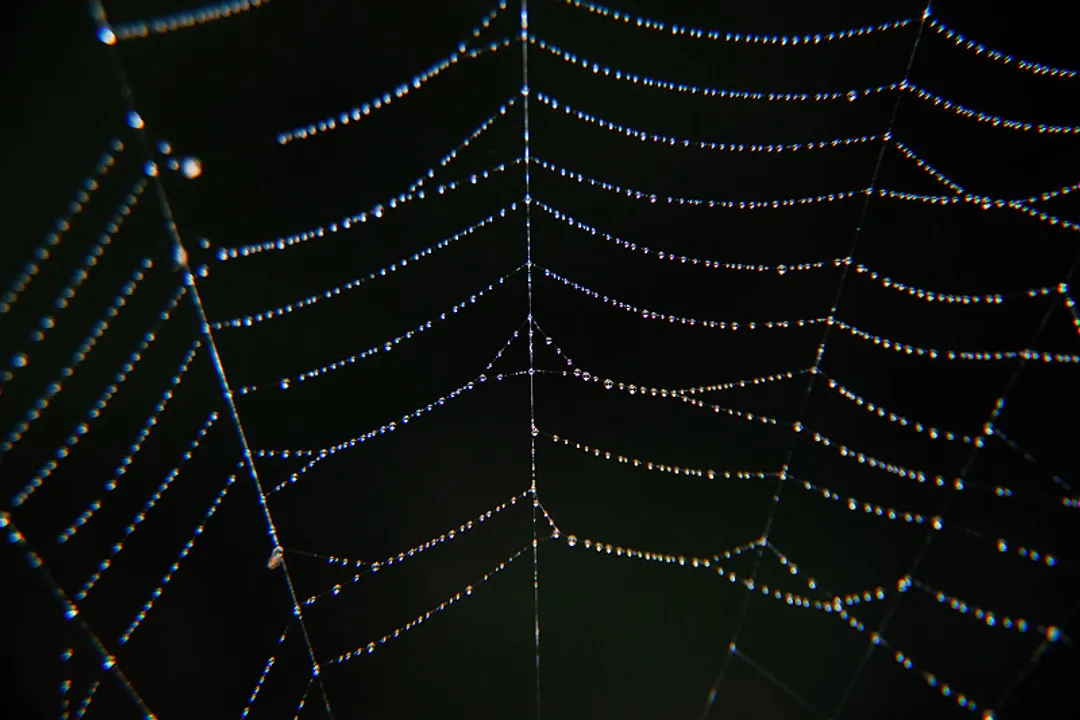
If you are monitoring a specific location—say, a patch of tall sunflowers or the corner of a shed—be aware that the spider will likely retreat to a less conspicuous resting spot nearby during the cooler hours of the day or when disturbed, only returning to the hub of the stabilimentum when prey activity is highest. [5][9] Observing these webs in the early morning, when dew often highlights the silk lines beautifully, frequently reveals the spider waiting patiently at the center. [5]
Related Questions
#Citations
The Writing Spider - Life in the Places Between
Yellow Garden Spider, Writing Spider Argiope aurantia ...
The Writing Spider (Argiope aurantia)
Argiope aurantia
The Writing Spider
Black and Yellow Garden Spider
It is an Argiope aurantia, known as the "writing spider."
Writing Spiders
Getting to Know Your Arthropods: Writing Spider