Which anatomical features characterize the Phylum Arthropoda classification of *Dysdera*?
Answer
Segmented body, chitin exoskeleton, and jointed appendages.
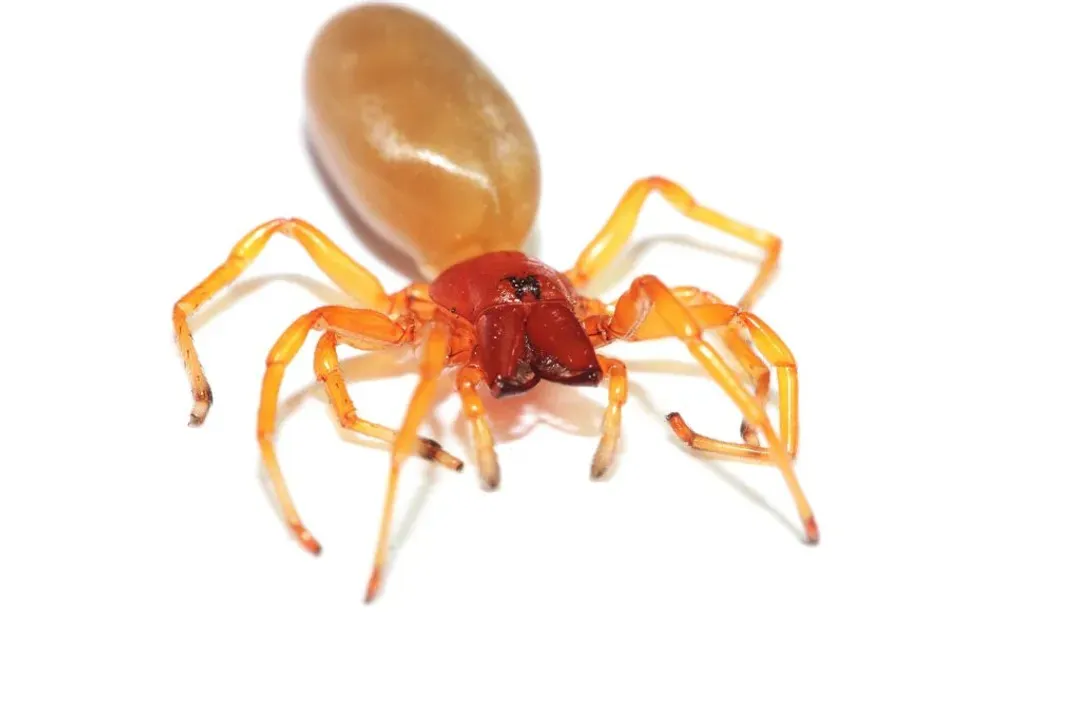
Placement within the Phylum Arthropoda signifies adherence to a very specific body blueprint common to insects, crustaceans, and spiders. This blueprint mandates three primary features: the body must be divided into distinct segments, it must possess a tough outer covering called an exoskeleton, which is composed of chitin, and it must feature appendages (like legs and mouthparts) that possess joints allowing for flexibility and motion. These structural elements are shared by all arthropods, differentiating them structurally from groups like Annelids (segmented worms) or Chordates (which possess an internal skeleton).
Related Questions
What fundamental characteristic defines the Kingdom Animalia placement of the Woodlouse Spider?Which anatomical features characterize the Phylum Arthropoda classification of *Dysdera*?What distinguishes Class Arachnida membership for the Woodlouse Hunter Spider?What specialized organ unites members of the Order Araneae, including *Dysdera*?What specific predatory adaptation defines the Family Dysderidae placement of *Dysdera*?What general morphology is consistently found across species in the Genus *Dysdera*?What does the specific epithet *crocata* in *Dysdera crocata* primarily refer to?How does placement in Phylum Arthropoda refine the *Dysdera* classification from Kingdom Animalia?Why are the large, protruding chelicerae of *Dysdera crocata* significant taxonomically?How does the *Dysdera* spider's use of silk contrast with general traits of Order Araneae?