Yellow Sac Spider Locations
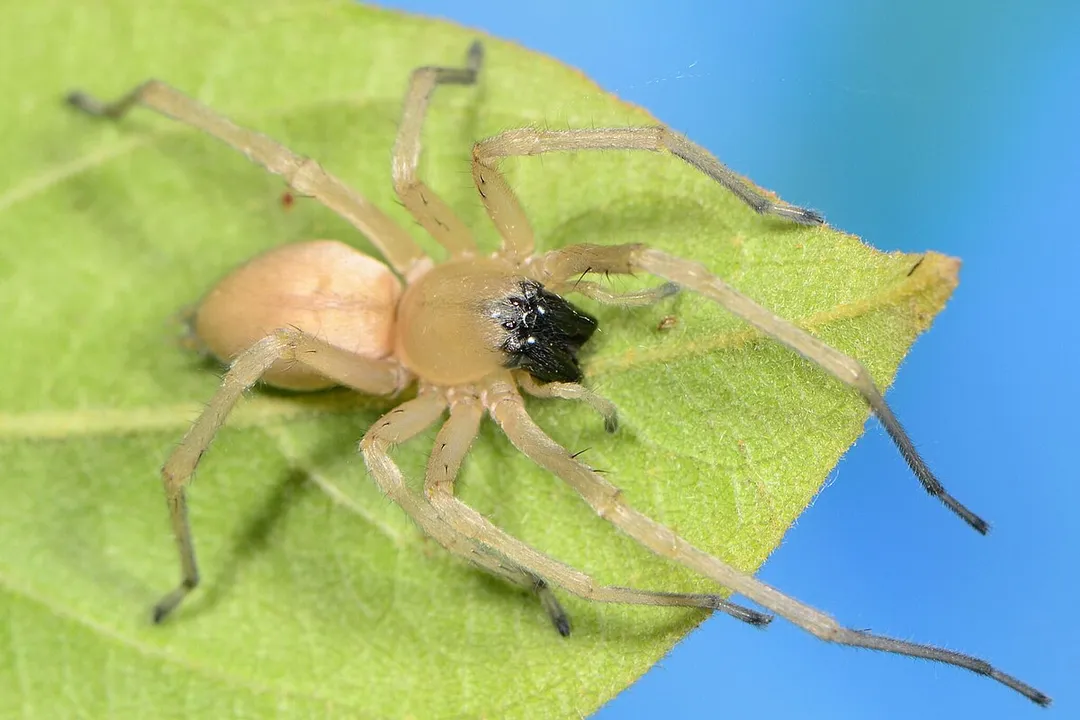
The appearance of a pale, yellowish spider indoors often prompts curiosity, and frequently, concern. These are most commonly the members of the genus Cheiracanthium, known collectively as yellow sac spiders. [1] Understanding where these arachnids choose to establish their temporary homes, both outside and within our structures, is key to understanding their presence around us. [3] They are not typically aggressive, but their ability to bite and the localized reaction it can cause warrants knowing their preferred locales. [2][8]
# Geographic Range
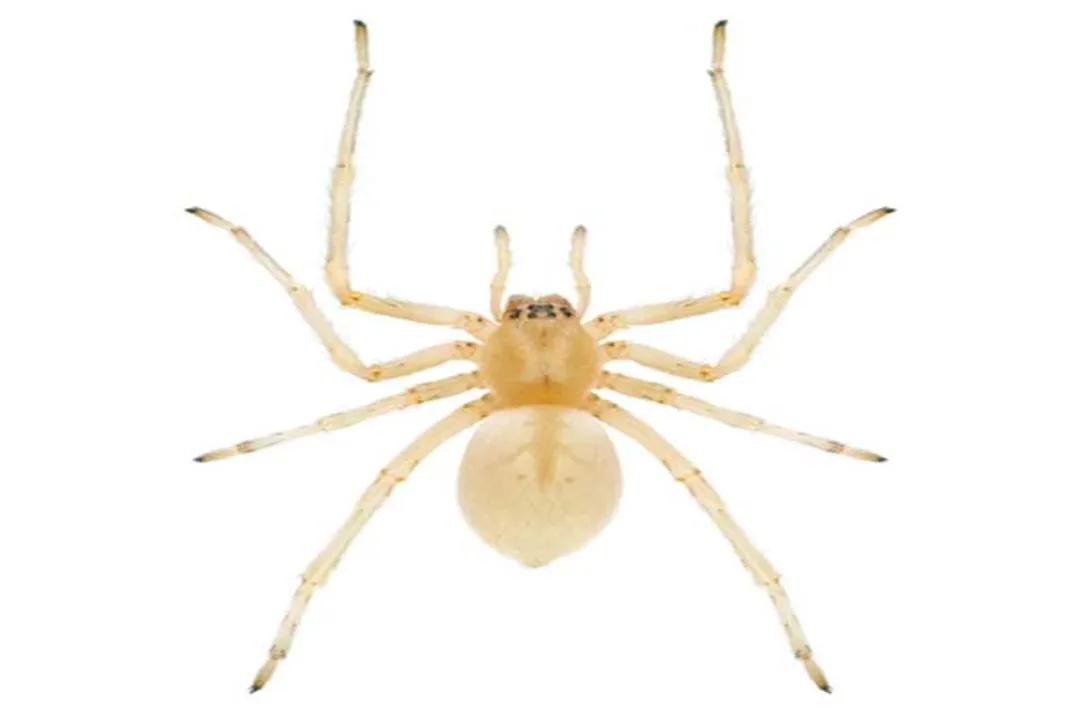
Yellow sac spiders are distributed quite widely across the globe, demonstrating adaptability to different climates. [1] In North America, they are a common find, extending across much of the continent. [7][10] While the genus itself is broad, specific species have distinct ranges. For instance, the species Cheiracanthium inclusum, sometimes called the True Yellow Sac Spider, is often noted in the eastern and central United States, though its presence can stretch westward as well. [1][4][5] In contrast, European sightings often relate to species like Cheiracanthium punctorium. [1] Within the US, reports confirm their presence in areas as diverse as Ohio, [10] Idaho, [9] and Minnesota, where the Northern Yellow Sac Spider is noted. [7] This broad dispersal suggests that if you live in a temperate region, there is a high probability that a species of yellow sac spider inhabits the local area. [4]
# Outdoor Habitats
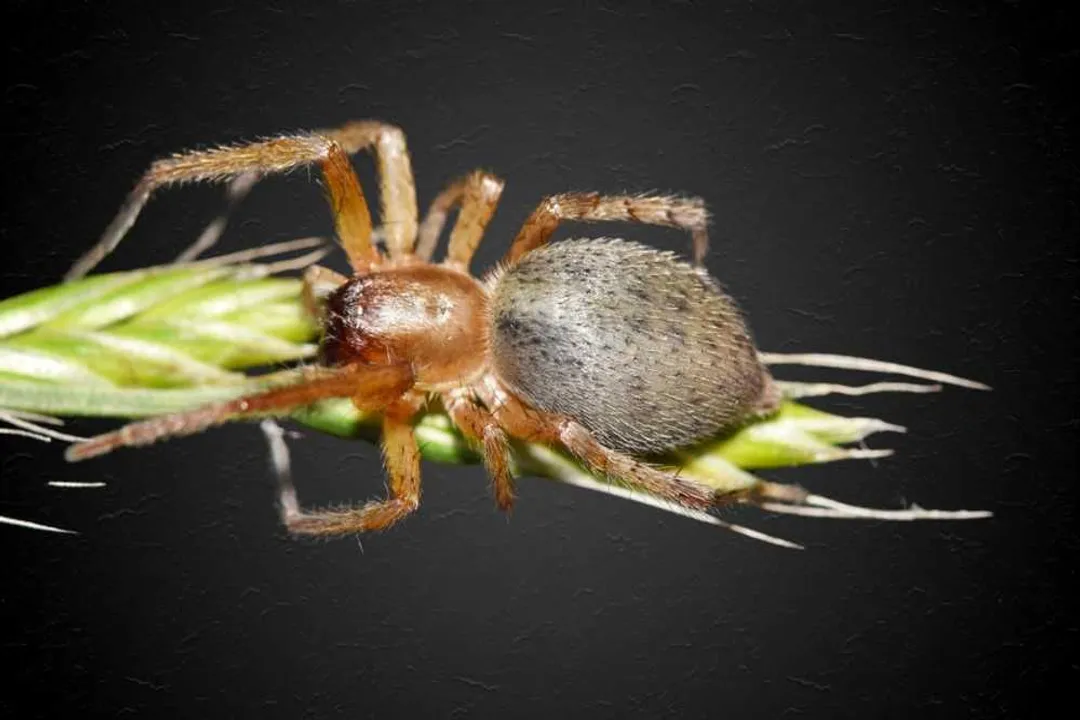
The natural environment provides ample opportunities for these spiders to build their characteristic silk retreats. In outdoor settings, yellow sac spiders strongly prefer areas that offer both cover and proximity to their insect prey. [5] They are frequently located resting or hunting on the undersides of leaves or along branches and stems of plants. [4][7] This positioning helps them remain concealed from predators and ambush unsuspecting small insects. [5]
Beyond actively growing vegetation, they seek shelter in common garden features and natural debris. Locations such as dense grass, under loose bark on trees, within piles of leaf litter, or underneath rocks offer excellent refuge. [4][7][8] The key requirement for their outdoor location seems to be a place that is somewhat protected from direct, harsh weather elements and provides sufficient camouflage. [5] If you are gardening or working near dense shrubbery, treating those areas as potential spider habitat is wise, especially when handling leaf piles or moving landscape timbers. [8]
# Indoor Intrusion
While they prefer the outdoors, the transition into human dwellings happens regularly, often as the weather changes or when they are simply exploring. When they enter structures, they are seeking stable, undisturbed environments that mimic the sheltered conditions they prefer outside. [2][10]
Indoors, yellow sac spiders are seldom found actively crossing open floors or walls. Instead, they look for tight corners and secluded spaces. [5] Common hiding places include:
- Ceiling and Wall Corners: The intersection where two surfaces meet offers a ready-made crease for support when spinning a small sac. [2][5]
- Behind Decor: Pictures, mirrors, or wall hangings that leave a slight gap between the object and the wall surface are attractive nooks. [2][5]
- Undisturbed Storage: Areas like attics, basements, and storage closets that see infrequent traffic provide long periods of security necessary for them to rest or molt. [5]
It is interesting to note the parallel between their preferred indoor and outdoor locations. Outdoors, they favor dense foliage or under bark—places that are structurally complex and offer multiple points of attachment. [4][7] Indoors, the tight angles of a ceiling corner function similarly, offering a three-dimensional structure that feels secure compared to a flat, open surface. [2] This suggests their choice of location is less about avoiding humans specifically and more about replicating ideal structural shelter in the immediate vicinity. [3]
# Sacs and Shelters
The name "sac spider" comes from the small silk retreats they construct. [3] These sacs are not elaborate webs meant for catching prey; rather, they are simple, silken pouches used for molting, resting during the day, or sheltering when conditions are unfavorable. [10] These retreats are quite small, perhaps only about half an inch in size, and are typically constructed from white or off-white silk. [3][8]
The location of the sac itself provides clues about the spider's recent activity. If a sac is found on a plant stem outdoors, it likely represents a diurnal resting spot. [4] If a sac is found in the corner of a window frame inside, it may be a place where the spider has been spending its resting hours before emerging to hunt at night. [2][10]
A helpful, non-standard observation when trying to locate these spiders relates to their life cycle timing. Because they use these sacs for molting, you might find slightly more discarded exoskeletons within these silken envelopes during peak growth periods, perhaps late spring or summer, depending on the local climate cycle. [4] If you find an empty, small silken pouch tucked away, gently investigating it with a thin stick might reveal evidence of their presence, even if the spider has moved on to a new temporary location.

# Seasonal Movement Patterns
The location of a yellow sac spider often shifts depending on the time of year, driven largely by temperature and the availability of food sources. [4] During warmer months, when insect life is abundant, the spiders are typically distributed throughout outdoor vegetation. [7] They remain active and are more likely to be found on or near host plants. [5]
As the seasons begin to cool, particularly heading into autumn, the tendency for these spiders to seek warmer, more protected environments increases significantly. [2][8] This is when the movement indoors becomes more pronounced. They are looking for overwintering sites that offer consistency and protection from frost. [2] In these cooler months, the previously mentioned indoor locations—especially those areas that receive less direct disturbance, such as stored items in a garage or unused corners of a guest room—become prime real estate for these spiders seeking to wait out the cold. [5][10]
For homeowners managing properties in regions with distinct seasons, such as Minnesota or Utah, the location awareness needs to be cyclical. [7][8] In summer, focus inspection on garden beds and window screens; in fall, shift focus to crawlspaces, baseboards, and stored boxes in the attic. [5]
# Prey Proximity Locations
While we often discuss where the spider rests, another critical factor influencing its location is where it eats. Yellow sac spiders are active hunters, not web-builders in the traditional sense. [4] Therefore, their temporary locations are often dictated by the presence of smaller arthropods. [5]
Outdoors, this means they will congregate near areas with high insect activity—think flowering plants, the underside of broad leaves where aphids might gather, or near standing water sources that attract various small flies. [4] This ties back to their preference for dense foliage; it is a micro-environment rich with their food supply. [5]
Indoors, their hunting ground is less obvious but still follows this principle. They might be found near sources of household pests, such as basements where moisture attracts small insects, or near infrequently cleaned food storage areas. [5] While they are known to wander, their temporary sacs will likely be established within a reasonable distance of a known feeding route or resting spot that affords good visibility of the immediate area. [4]
If you observe an unusual concentration of gnats or other tiny flying insects near an exterior light source or a specific window at night, that area also becomes a potential temporary hunting location for any nearby yellow sac spiders lurking just out of sight in a nearby crack or curtain fold. [2]
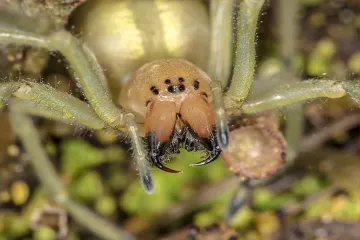
# Comparison of Species Habitats
While the general characteristics of outdoor/indoor habitats hold true for Cheiracanthium generally, recognizing that different species may have slightly differing preferences is worthwhile. [1] The information available sometimes lumps the habits together, but subtle ecological niches can exist. For example, the common reference to C. inclusum being prevalent in Eastern/Central US agricultural areas might suggest a stronger affinity for field crops and dense ground cover in those regions, compared to a species that might thrive more in arid scrubland in the West. [4][9]
When dealing with pest control scenarios in specific regions like Idaho, for instance, local pest professionals note their presence around exterior foundations, sheds, and under debris. [9] This reinforces the universal need for structure and darkness, but the specific type of structure—be it dense temperate forest undergrowth or drier desert ground cover—will define the precise outdoor location. [7]
A point to consider for property management, especially in multi-unit dwellings, is the difference in location preference versus the structure of the building itself. Spiders seeking refuge from cold might prioritize the north-facing walls of an attic (cooler, less direct sunlight) versus the south-facing side, even if both are cluttered. This microclimate assessment can narrow down search areas considerably when dealing with multiple potential hiding spots. [5]
# Actionable Search Zones
Given the confirmed locations, organizing a systematic search for sacs requires targeting specific zones based on the spider's habits:
- Exterior Perimeter Check: Focus on the first two feet of the foundation wall, checking behind siding, under porch steps, and in woodpiles stacked directly against the house. [8]
- Ceiling Crevices: Systematically inspect the junction of the ceiling and walls in low-traffic areas like spare closets or storage rooms, looking for small, dusty silk blobs. [2][5]
- Undisturbed Boxes: When opening storage containers that have been in the attic or basement for a year or more, check the outside seams and corners of the box itself before lifting the lid, as a sac could be attached there. [5]
By understanding that the yellow sac spider prioritizes structural cover, prey proximity, and thermal stability, one can efficiently predict where these pale inhabitants are most likely to be found residing in or around a dwelling. [3][7]
Related Questions
#Citations
Cheiracanthium - Wikipedia
Yellow Sac Spiders: Facts And Bites - Western Exterminator
[PDF] A Guide to Yellow Sac Spider - Alameda County Vector Control
Cheiracanthium inclusum | INFORMATION - Animal Diversity Web
Yellow Sac Spider: Facts & Identification Guide
Yellow sac spiders - Plant & Pest Diagnostics
northern yellow sac spider - Minnesota Seasons
[PDF] Yellow Sac Spiders - Utah State University Extension
Yellow Sac Spiders in Idaho - Candor Pest Control
Sac Spider in Cleveland | General Pest Control