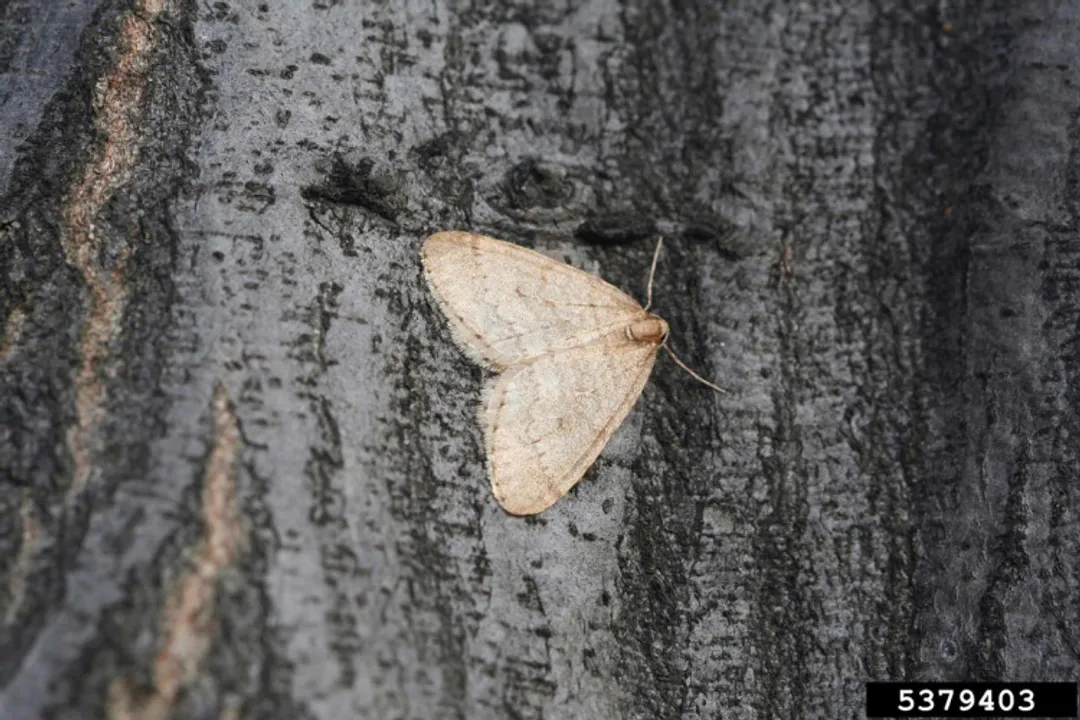
What is the specific role of the parasitic wasp, *Cyzenus acceptus*, in biological control sites for the Winter Moth?
It is a natural enemy introduced to specifically target the Winter Moth's larval stage.
In regions actively implementing biological control methods for managing *Operophtera brumata*, the 'location' signifies a zone of intensive, targeted intervention rather than general observation. The parasitic wasp *Cyzenus acceptus* represents a key component of this strategy. Research conducted by institutions like the University of Rhode Island focuses on these sites to gauge the success of introducing this natural enemy. The wasp's biological function is crucial: it specifically targets and parasitizes the vulnerable larval stage of the Winter Moth, thus offering a mechanism to reduce the population size before significant defoliation can occur in the spring.