Winter Moth Scientific Classification
The scientific nomenclature for the Winter Moth, Operophtera brumata, places this organism precisely within the vast tree of life, offering an immediate and universally understood snapshot of its basic biology. To the general reader, it might just be a pest or an odd moth active when it should be cold, but its classification—from Kingdom down to the specific epithet—reveals deep evolutionary history and shared characteristics with countless other species. Understanding this hierarchy is not merely an exercise in rote memorization; it is the foundation for predicting behavior, understanding ecological roles, and, crucially, managing it as an invasive species in its introduced ranges.
# Kingdom and Phylum
The classification begins at the broadest level, assigning Operophtera brumata to the Kingdom Animalia. This immediately tells us the organism is multicellular, eukaryotic, and heterotrophic—it consumes other organisms for energy, a defining characteristic we associate with animals. Moving to the Phylum Arthropoda, we narrow the field significantly, placing the Winter Moth among creatures possessing an exoskeleton, a segmented body, and jointed appendages. This massive phylum includes insects, spiders, and crustaceans. To be an arthropod means the Winter Moth has evolved a tough external cuticle for protection and support, a necessity for its life cycle involving terrestrial movement and molting as it grows.
# Hexapoda and Pterygota
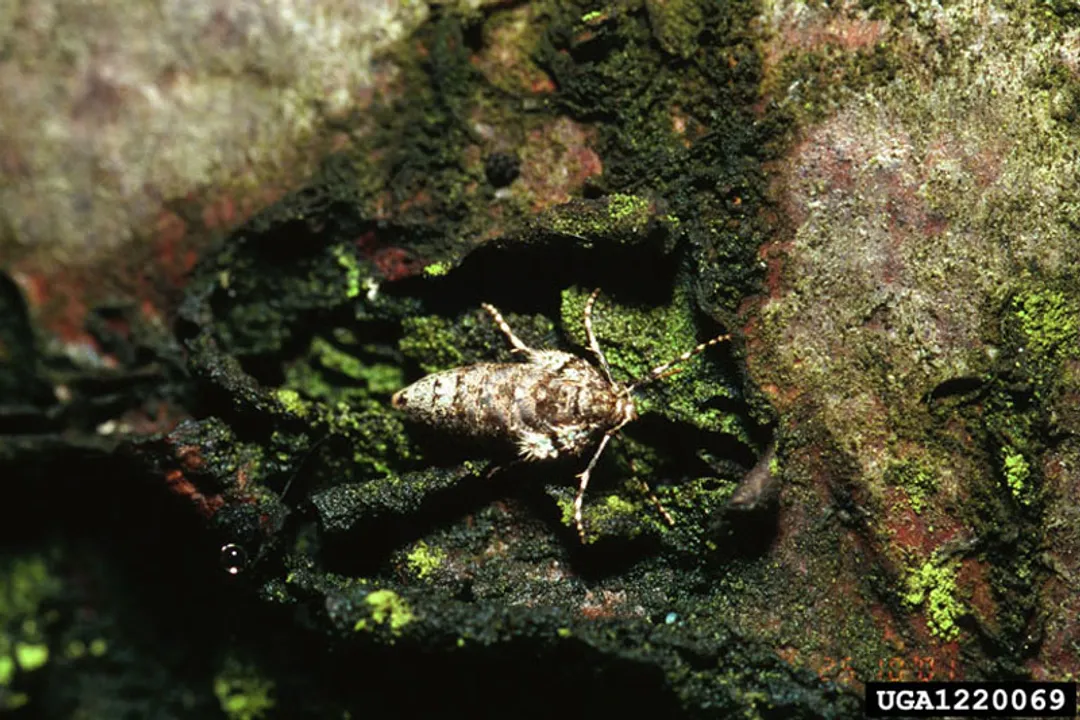
Within Arthropoda, the Winter Moth belongs to the Subphylum Hexapoda, signifying that it possesses three main body sections (head, thorax, abdomen) and three pairs of legs, standard for all true insects. This is a critical sorting step away from myriapods (millipedes/centipedes) and crustaceans. Further refinement places it in the Subclass Pterygota (winged insects) and Infraclass Neoptera (insects capable of folding their wings over their abdomen when at rest). Although the female Winter Moth is nearly wingless, the classification reflects the ancestral state of the group, as the male possesses functional wings, and both sexes derive from a lineage defined by the presence of wings in their mature forms.
# Order Assignment
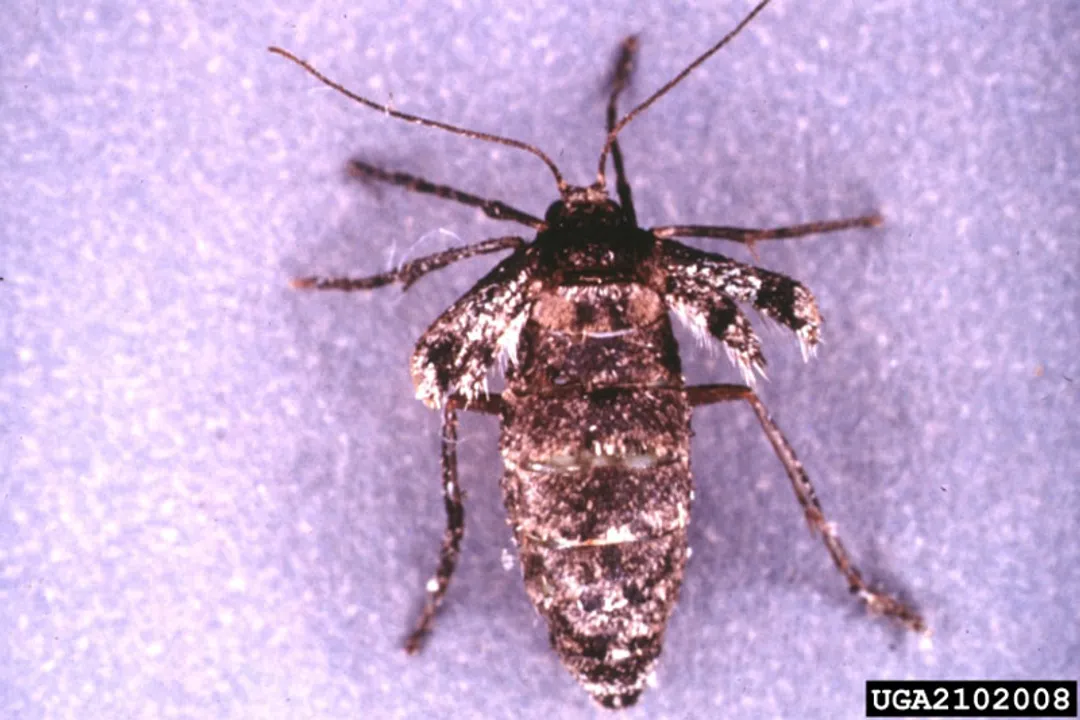
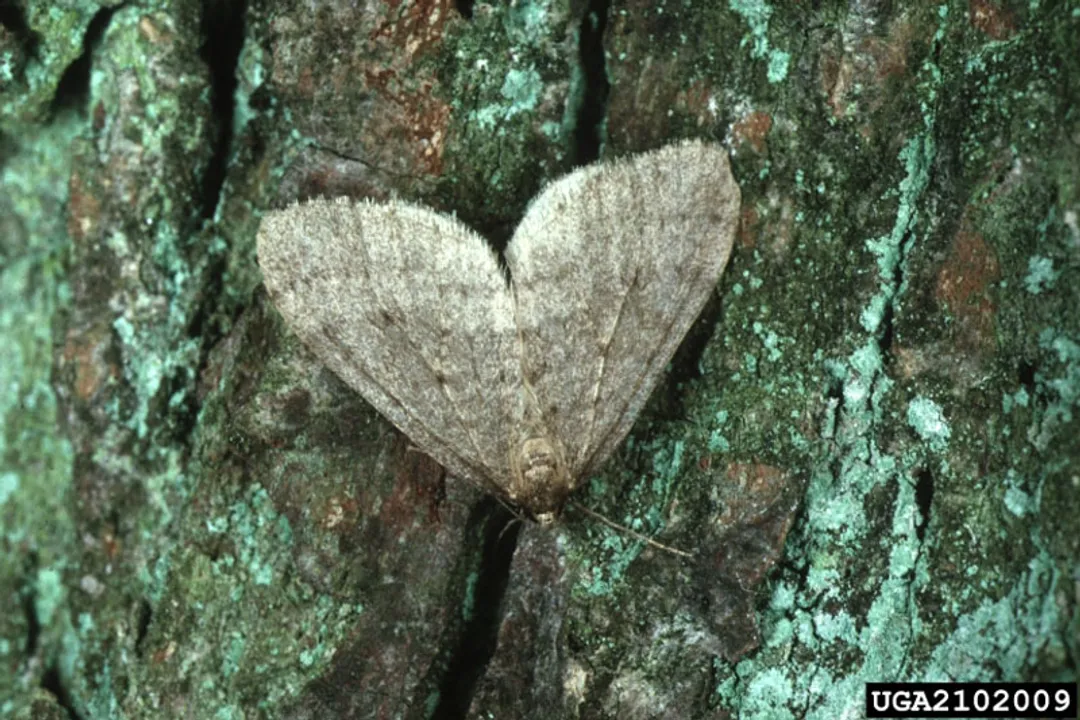
The next major division separates moths and butterflies from other winged insects, placing Operophtera brumata into the Order Lepidoptera. Members of this order are universally recognized by their scaled wings—the name itself means "scale wing." These scales are modified, flattened hairs that give moths and butterflies their color, pattern, and even influence flight characteristics. For the Winter Moth, this scale structure is evident on the light tan wings of the male, which also has a distinctive fringed appearance along the hind margins. The scale-covered bodies and wings link the adult moth to its butterfly relatives, despite its nocturnal habits and drab coloration compared to many diurnal species.
# Metamorphosis Details
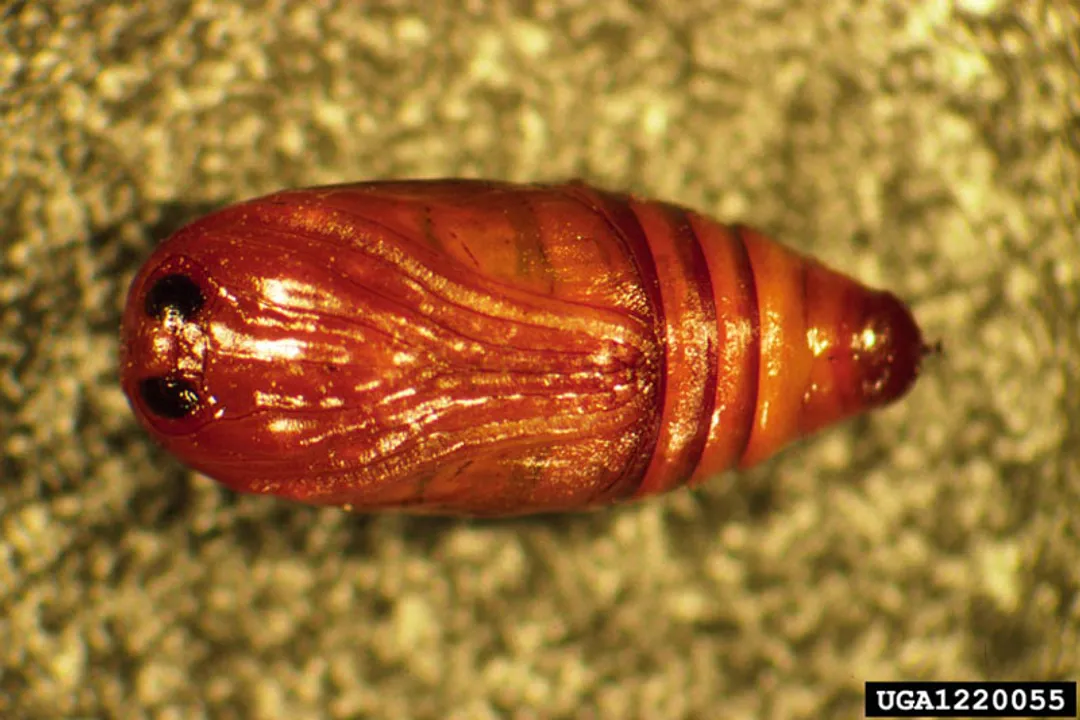
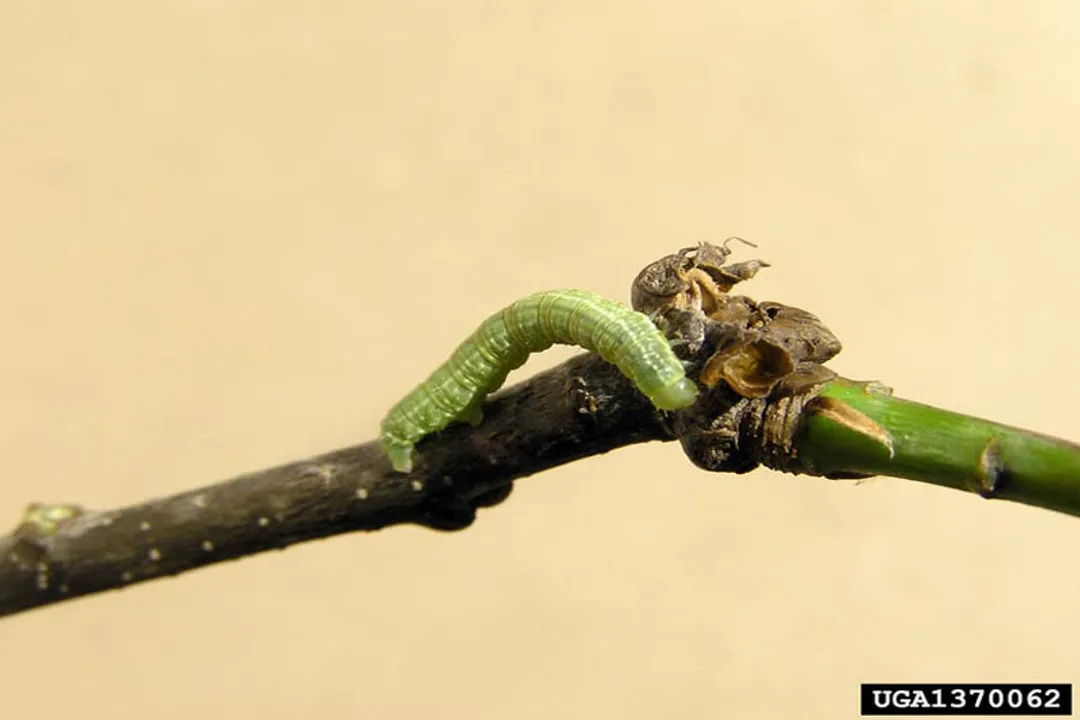
The classification hierarchy further details its life cycle progression. Some databases place it within Superorder Holometabola, indicating it undergoes complete metamorphosis—egg, larva, pupa, adult—a highly successful evolutionary strategy. This contrasts with hemimetabolous insects that only go through incomplete changes (egg, nymph, adult). The complete separation of the feeding stage (larva/caterpillar) from the reproductive stage (adult moth) is why we see damage occur in the spring from the pale green, striped caterpillars, while the adults are active in the late fall/early winter.
# Family Grouping
Dropping down to the Family Geometridae is where the classification becomes highly relevant to its common behavior. Geometridae translates roughly to "Earth Measurer," a name adopted because of the distinctive way the caterpillars move. These larvae, often called "inchworms" or "loopers," lack the typical full set of prolegs found on many caterpillars. They move in a looping fashion, bringing their rear end forward to their front, resembling a tailor measuring cloth—hence the name.
This detail of locomotion is extremely useful in field identification. For instance, when trying to differentiate the invasive Winter Moth from similar species like the native Bruce spanworm moth (Operophtera bruceata) or the Fall cankerworm (Alsophila pometaria), observing the larval prolegs is often key. O. brumata larvae characteristically possess only two pairs of prolegs on the abdomen, a trait that separates it from some similar-looking caterpillars that might have three or more pairs. If you are assessing defoliation in an orchard setting and see larvae arching with only two visible rear grasping points, you are likely dealing with a member of this specific Geometrid lineage. This level of detail, derived from family-level identification characteristics, is essential for determining if a pest outbreak requires regulatory action, as is the case with the introduced O. brumata.
# Genus and Species Identity
The final steps in the classification place the Winter Moth squarely in the Genus Operophtera and designate it as the Species brumata. The genus Operophtera groups together species that share a very close evolutionary relationship, most notably including the native North American Bruce spanworm moth (O. bruceata). This proximity within the genus helps explain why the two species are so often confused in the field, and why management efforts—such as biological control introductions—must be keenly aware of native counterparts. Genetic analyses have indeed revealed that the invasive O. brumata and native Operophtera species in North America are capable of hybridizing, blurring the lines of strict species separation.
The specific epithet, brumata, is derived from the Latin word for winter, which perfectly describes a key phenological feature of the adult insects. Unlike many moths whose adults emerge in spring or summer, the male O. brumata moths are active in the late autumn and early winter, flying on mild nights in search of the non-flying females clinging to tree trunks. This unusual timing is reflected directly in its scientific name. The flight season, often noted as late November through January or February in places like Britain, is the main window for adult observation.
Taxonomic work often involves recognizing variations and historical naming conventions. For Operophtera brumata, researchers acknowledge several synonyms, such as Cheimatobia brumaria or Phalaena. grisearia, indicating that different scientists in the past placed this species in different genera before the current, accepted arrangement was settled upon. The stability of the current designation, Operophtera brumata (Linnaeus), is vital for scientific communication, especially when tracking its spread from its native Europe across Eurasia and into North America starting in the 1930s.
# Classification in Context of Invasion
For ecologists and forest managers in places like New England and British Columbia, the classification of O. brumata is immediately linked to its status as an alien invasive species. While its placement in Geometridae suggests a generalist herbivore, its specific host range—oak, maple, basswood, elm, apple, and blueberry—drives management decisions. The fact that it is placed in a genus shared with native species (Operophtera bruceata) means that broad-spectrum pest management might inadvertently impact native populations unless control measures are highly targeted, such as those focusing on the unique, flightless female moths or the specific larval feeding windows.
It is fascinating to observe how ecological pressures shape population dynamics even within a fixed classification. In its native European range, O. brumata populations are known to exhibit cyclical behavior, whereas in Atlantic Canada, the initial severe outbreaks collapsed mid-1960s following the successful establishment of natural enemies, such as the parasitoid fly Cyzenis albicans. This suggests that while the classification remains static, the ecology of the species adapts based on the presence or absence of its co-evolved predators, a situation that has not fully played out identically in all introduced regions. The successful biological control in some areas demonstrates that understanding the organism's life cycle, which is encoded within its taxonomy (e.g., pupation underground, eggs overwintering), provides the necessary blueprint for effective, long-term population management. The relative ease of control using dormant oil on overwintering eggs or sticky bands on tree trunks to intercept flightless females is directly related to the physical attributes defined by its classification as a moth with sexually dimorphic flight capabilities. The entire regulatory structure surrounding the movement of wood products is also informed by knowing that its overwintering stage is the egg, laid on bark crevices.
The detailed scientific placement, listing Subfamily Larentiinae and Tribe Operophterini, separates it from other major groups of inchworms and further refines its evolutionary relationship within the Lepidoptera. For the scientist studying evolutionary entomology, these finer classifications based on wing venation, male and female genitalia, and larval morphology confirm its relationship to other "loopers," making predictions about its physiology and nutritional requirements much more reliable than if it were classified solely by general appearance. This scientific rigor underpins our understanding of how it fits into the global insect fauna.
Related Questions
#Citations
winter moth (Operophtera brumata (Linnaeus)) - EDDMapS
Winter moth - Trees, insects, mites, and diseases of Canada's forests
winter moth (Operophtera brumata (Linnaeus)) - Invasive.Org
Winter moth (Operophtera brumata) - MISIN Learn
Winter Moth - Operophtera brumata - NatureSpot
Winter Moth (Operophtera brumata) | U.S. Fish & Wildlife Service
Winter Moth – Biocontrol Lab - The University of Rhode Island
Winter moth (Operophtera brumata (L.)) - NIAB